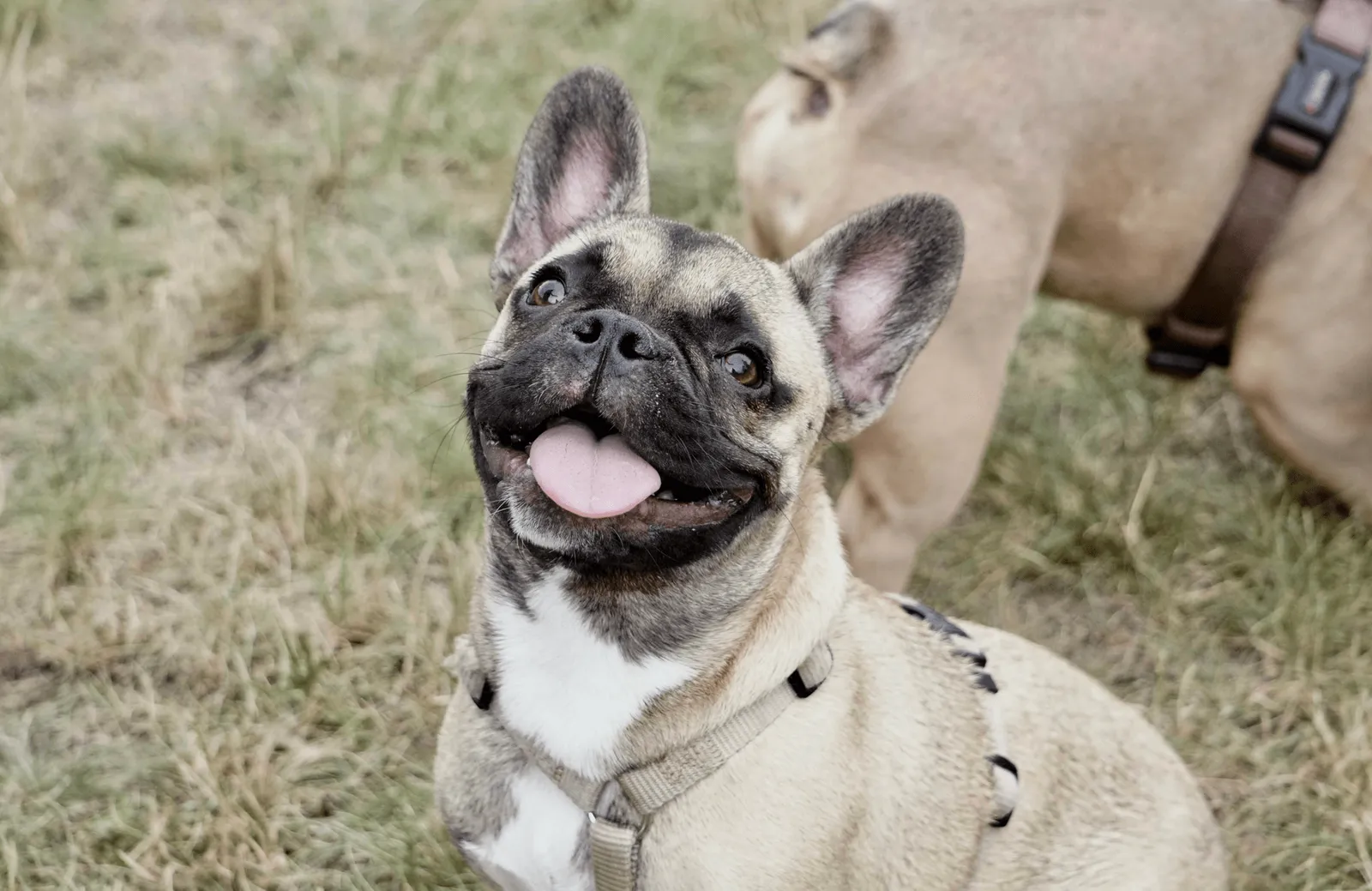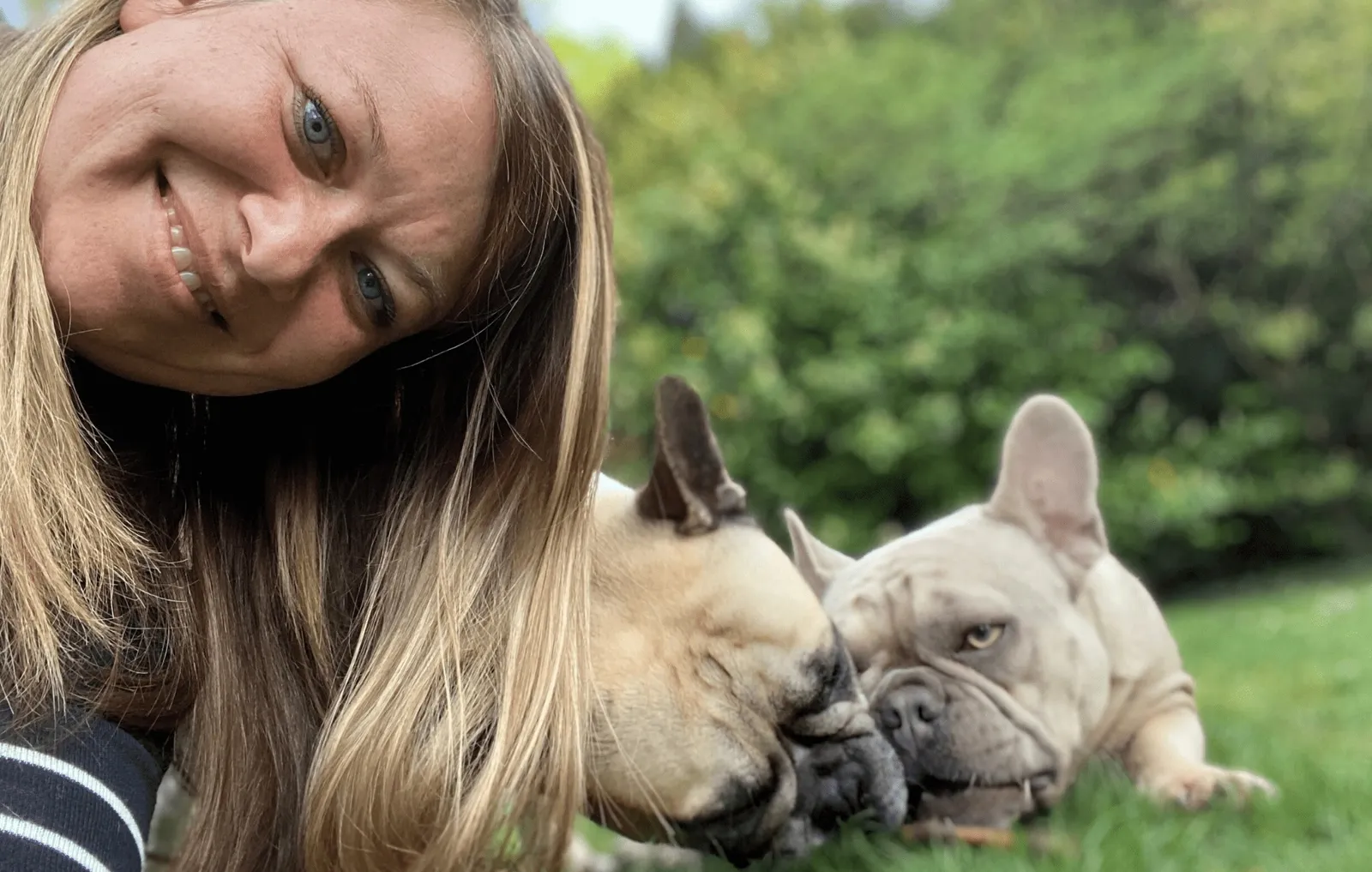

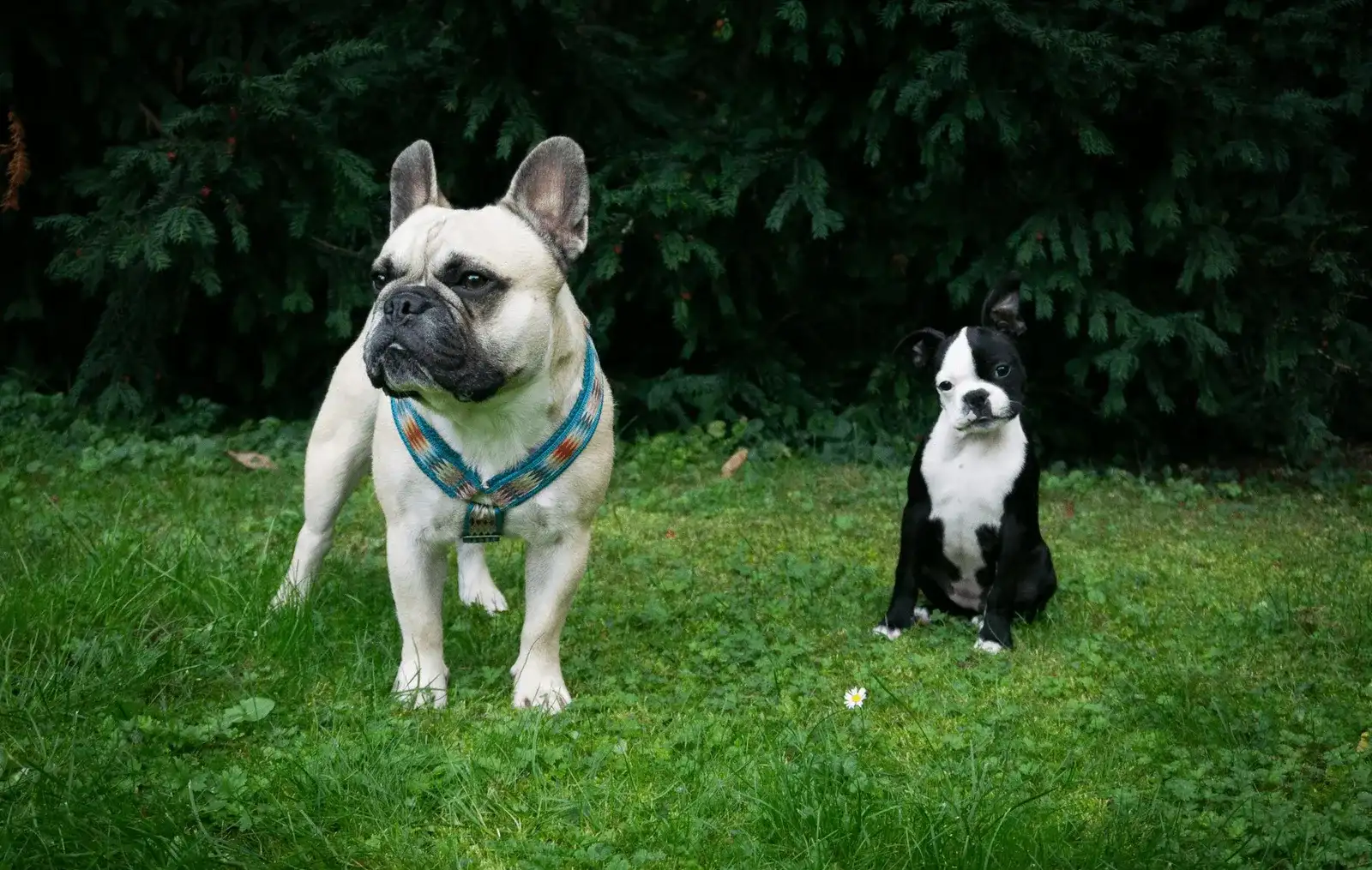
You've probably already heard that Murphy has a cousin. The favourite person's sister and one of my best friends, Bibi, has chosen the little Boston Terrier girl June. She's here today to tell you how a puppy changes the world, and how long rules actually last!
After that, I have a few tips on house training that I was able to pass on to Bibi, because things went really well and quickly with Murphy.
A puppy moves in. Rule 1, 2, 3, many...
The decision has been made: it's going to be a Boston Terrier. A breeder has been found and we were registered as future "parents". Names chosen a thousand times out of excitement and discarded again. 12 weeks of waiting. Picking up the baby. Her name is JUNE. The puppy adventure begins!
I don't know what your husbands are like, but with us there were endless rules before our little June was allowed to move in. Never on the sofa or the bed.... Quote: "She's a dog, after all!"
→ The sofa rule lasted a whole 4 hours
→ The bed rule a little longer: 6 hours
"She's a baby, after all" – quote, 4 hours after June moved in.
So after 4 weeks of "baby time", we see rules as rather relative.
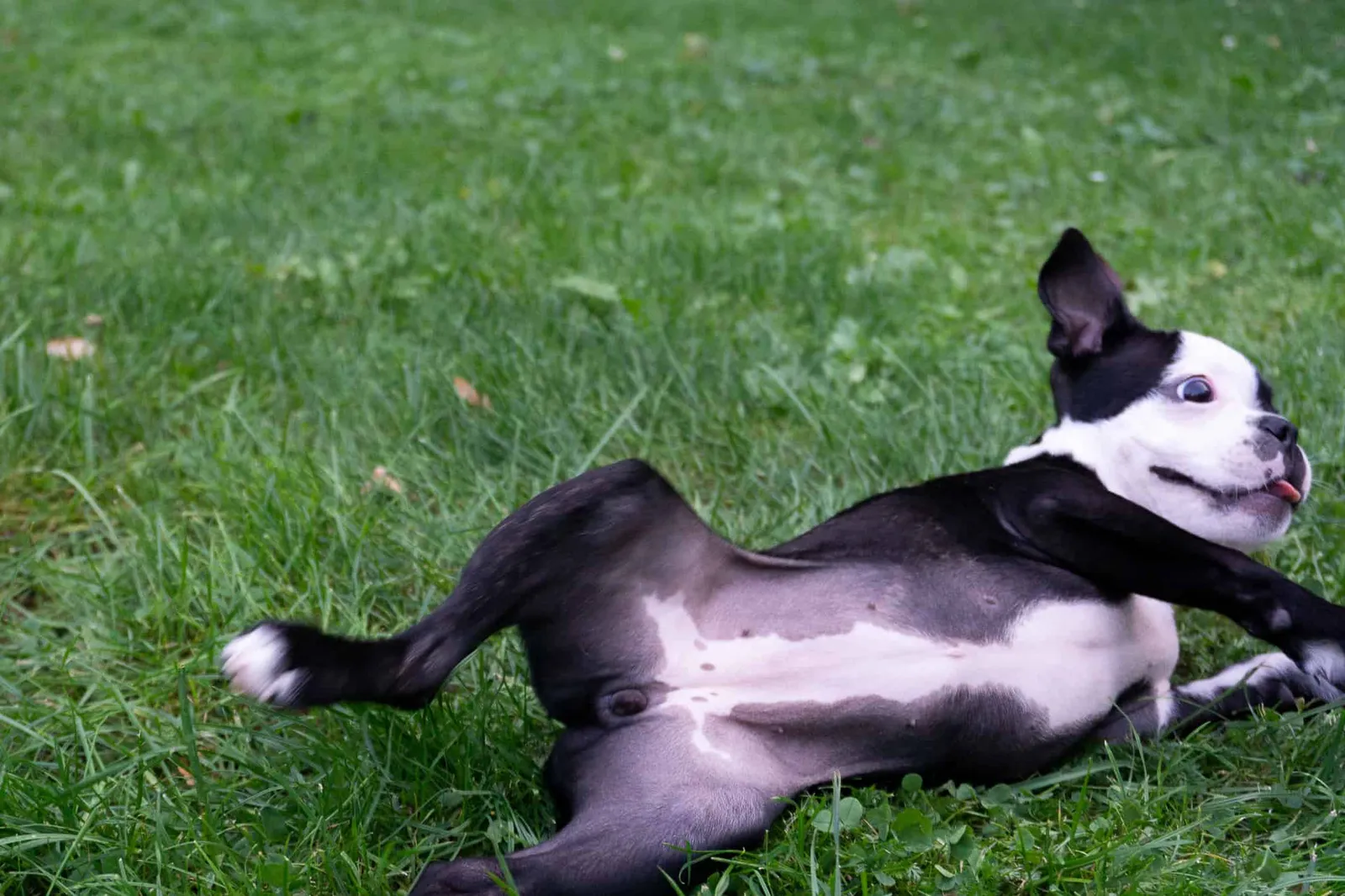
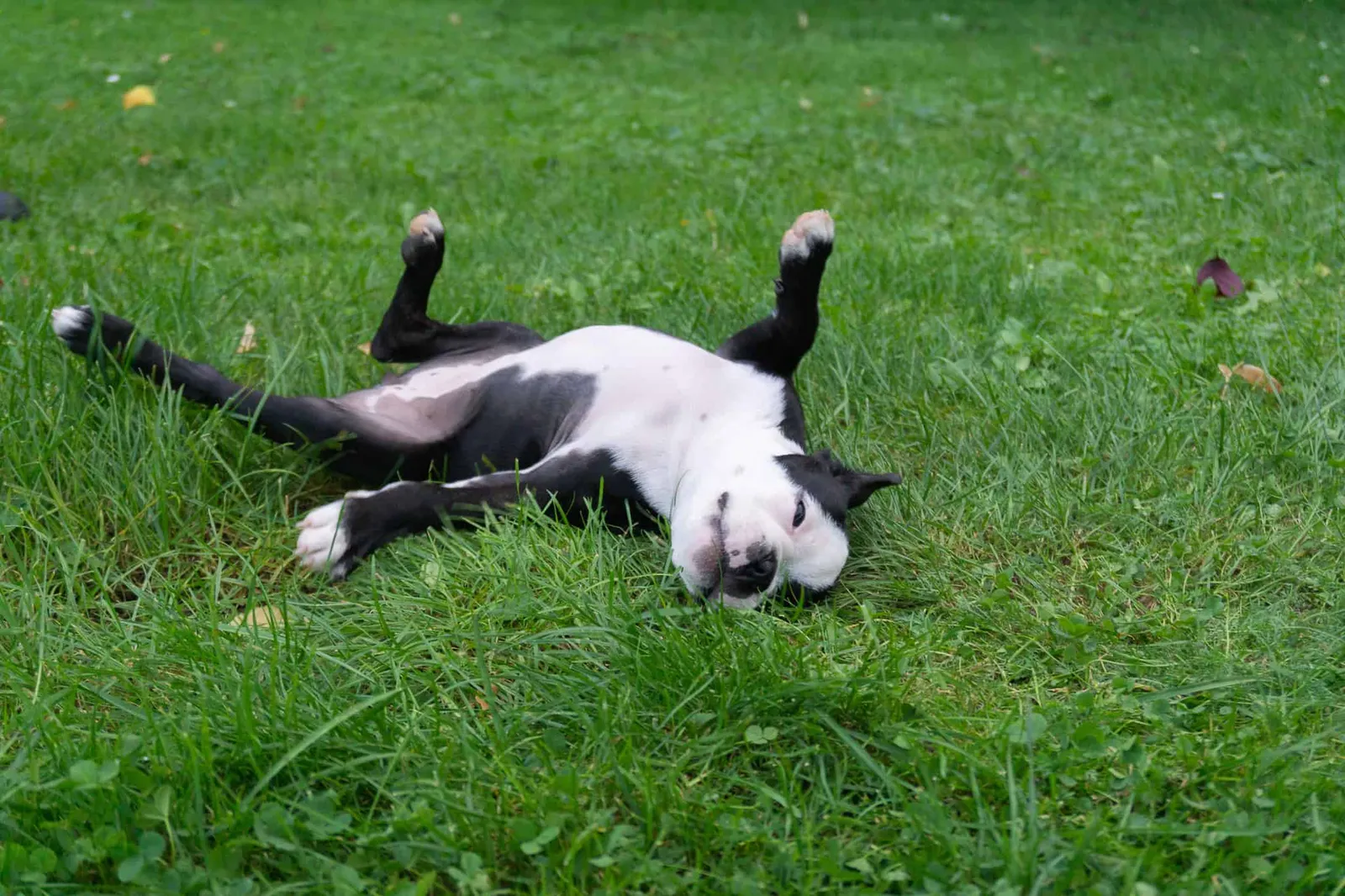
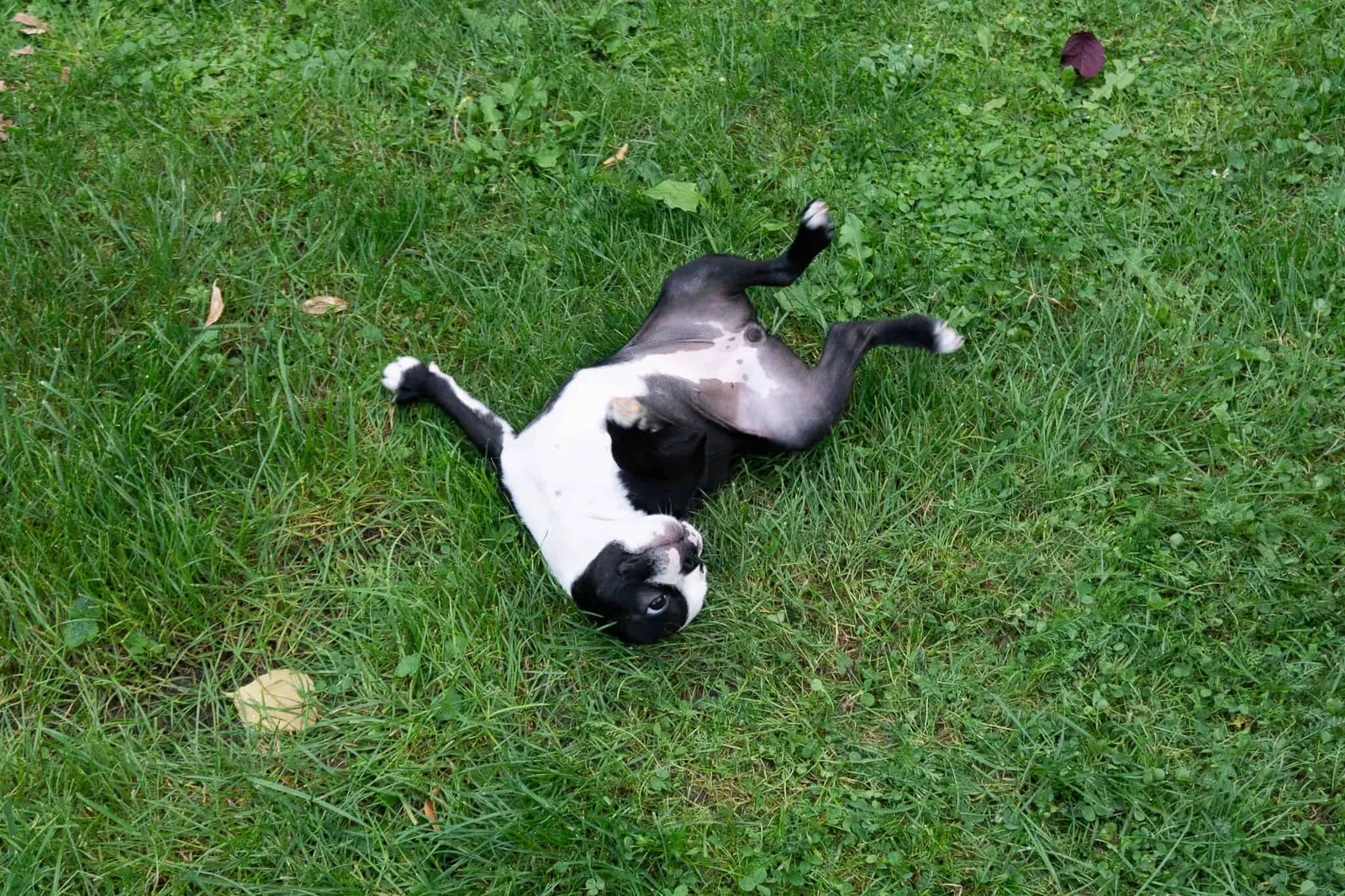
Becoming dog parents isn't hard...
We have to admit that we are incredibly lucky to have ended up with such a patient puppy. Our parenting qualities are definitely still a work in progress. When we treat her like a fully grown Dobermann and want to put her down while we work, she takes it with stoic composure... and simply does whatever she likes until we have time for her again.
She also likes to remind us, multiple times if necessary, when we forget that puppies need to go out (what feels like every second), and also that they are constantly hungry (but honestly: if you go to the toilet that often, you have to eat a lot too).
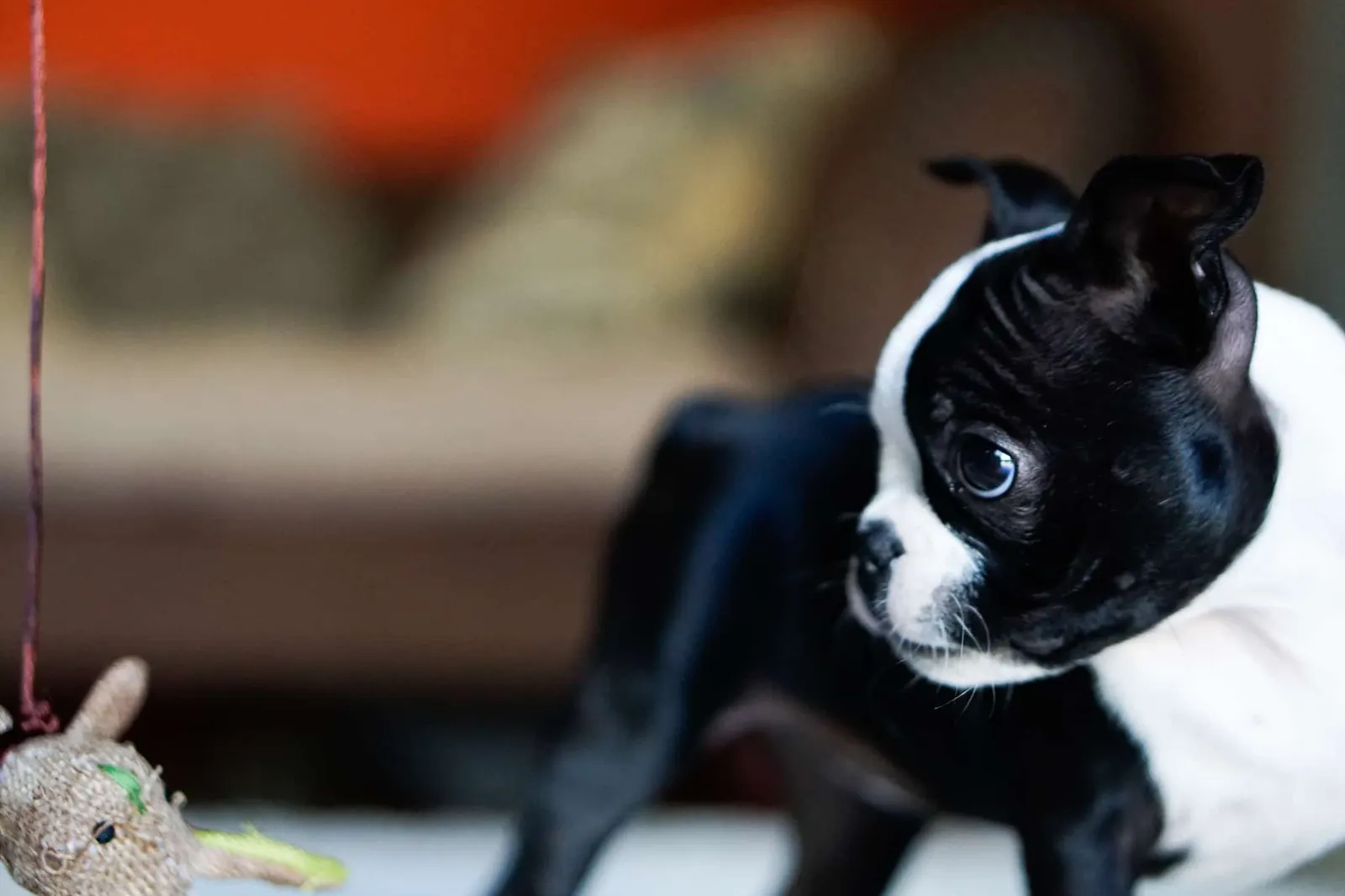
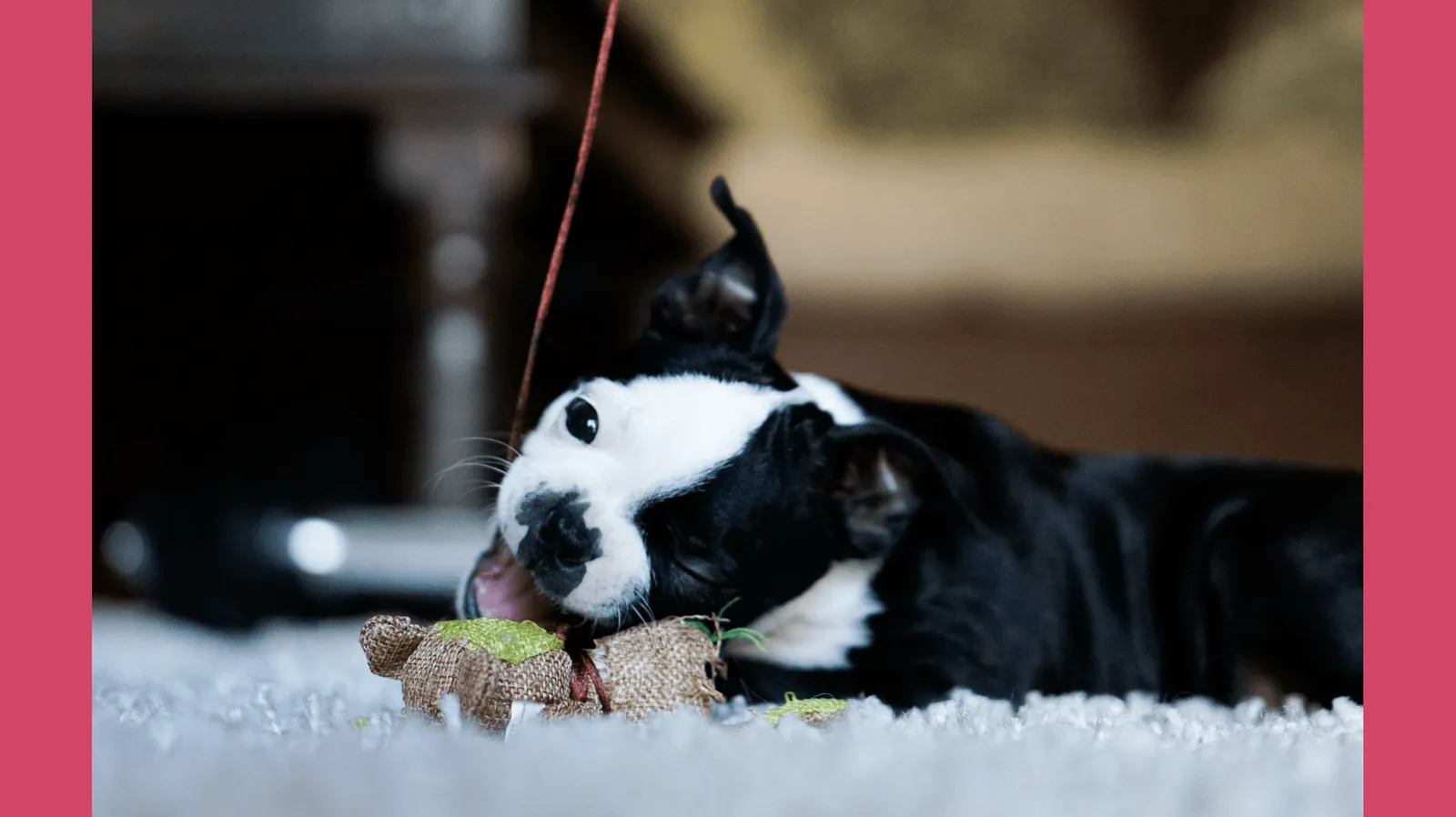
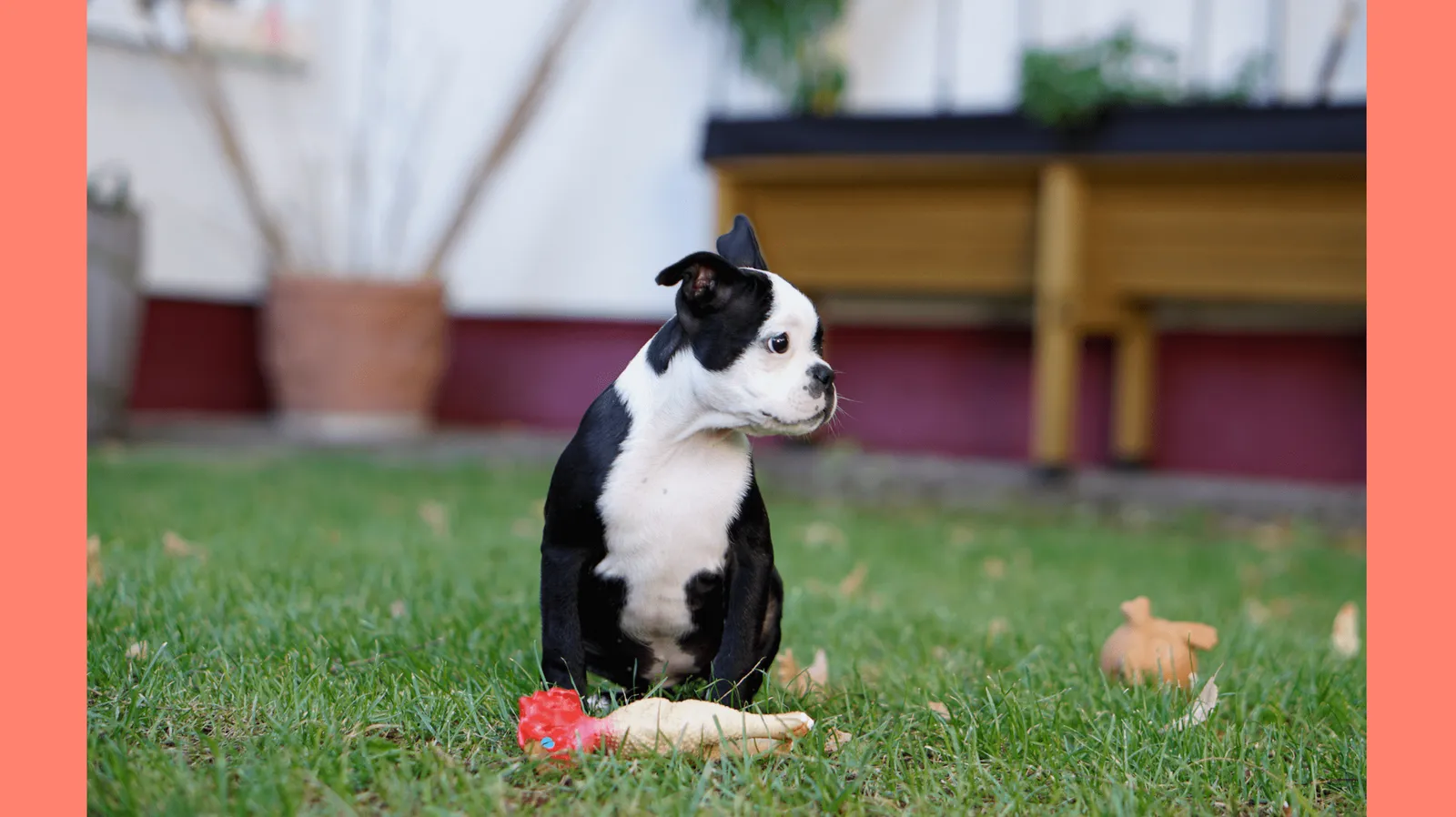
Our verdict after 4 weeks as "puppy parents":
- Men's rules are rarely as strict as they sound at first
- Don't ask yourself when your puppy needs to go out. The answer is: ALWAYS
- Sleep is overrated
- Make room in your photo storage. (4 weeks... 150 June photos)
- Our dog is the sweetest (everyone says that... obviously)
So let's see how the next four weeks go... I'll keep you posted ;)
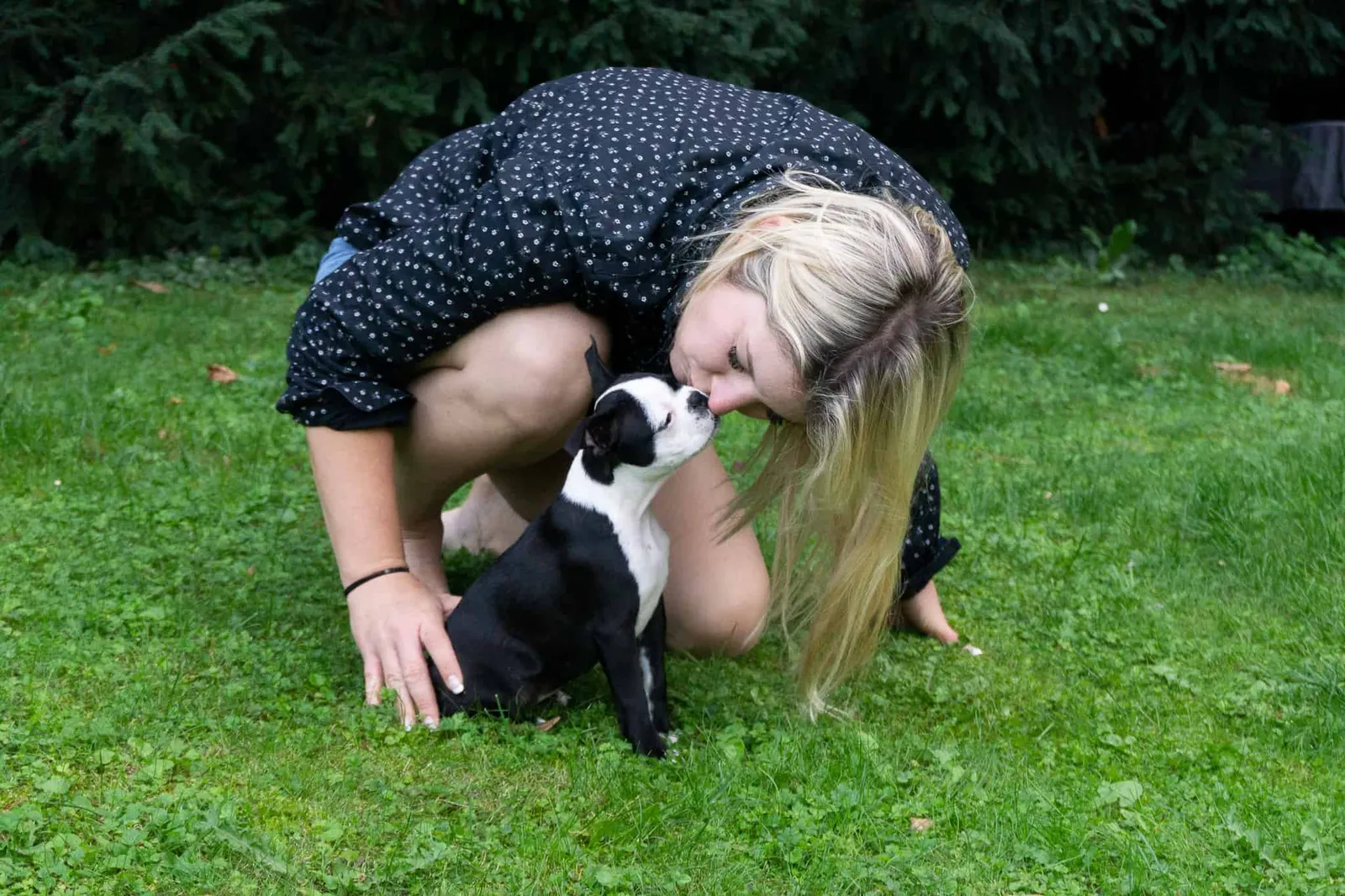
House Training Tips
Murphy moved in with us as a puppy in February 2017. So it really wasn't that long ago, and YES, for us too it was quite an adjustment to welcome this little creature into our lives.
I was lucky enough to take 2 weeks off for the move-in, and my focus back then (alongside cuddling, getting to know each other, and slowly exploring the new environment) was actually mainly on:
- Does Murphy let us know when he needs to go, and how does the little man show that he needs to go out?
- How do we manage it at night?
- How can we help the puppy understand more quickly what we want from him?
- How do we react when an "accident" happens?
With guidance from puppy books, trainers and other experienced dog owners (such as the in-laws), I can answer the questions for you, in our case, as follows.

How does a puppy show that it needs to do its business?
Every dog is an individual and will show differently whether they need to go out. With Murphy, however, I could recognise fairly quickly that when he started to sniff around, the time was probably about to come. Sniffing combined with turning in circles was a sign that the big business was urgently calling.
Generally, I can only recommend (as I also read in many a guide) heading outside after every:
- Sleep
- Play
- Meal
- Drink
to slip on your shoes and nip outside. In between, just for the sake of it, is also never a bad idea in the early phase ;)

How did we manage it at night?
Before going to bed, we naturally headed outside to the garden one more time anyway. In the first few weeks, Murphy slept right next to the bed in his crate, which was lined with cosy blankets. My arm always hung in as he fell asleep and gave him a sense of security.
When he woke up and started to stir, I would instinctively wake up too. If not, he would occasionally begin to whimper softly, and at that point at the latest I was wide awake and rushed down the stairs with him. In our case, the theory that puppies don't want to soil their sleeping area proved true, and so the nights were "saved".
How can we help puppies become house-trained more quickly?
- As already described above, it makes sense to go out one time too many rather than too few.
- A quiet toilet spot that you return to every time in these situations is well worth having. I wouldn't use the lawn where you normally play, for example. A bush that offers a little shelter from the rain would be ideal. I've heard more than once that puppies simply don't want to go outside in rainy weather... let alone do their business....
- With Murphy and me, a calmly spoken "command" and quiet words of praise as a reward quickly proved their worth during the puppy phase. I built up the command "go potty" by always saying it quietly in the moment when the little lad had done his business. And over time he understood what I wanted from him.
What to do when an accident happens?
A young dog has to learn to control its bladder first, so it can happen that something ends up on the carpet. If you catch the little one in the act, there's no point in scolding them: scoop up the pup, slip on your shoes, and head straight out to the toilet spot.
Your cleaning supplies collection is guaranteed to grow and, as Bibi has already described, sleep will certainly decrease. But if you stick with it and stay attentive, the four-legged darlings do understand fairly quickly what you want from them.
Conclusion
A puppy brings joy, fun, new experiences, sleep deprivation and plenty of new questions into the lives of dog parents. Remember that this intense and utterly adorable phase passes quite quickly. So don't stress yourselves out, just try to do things right and well, and simply enjoy your time together!
Do you still have questions burning on your lips? About house training or any other topic? Then bring them on. Feel free to leave us a comment ;)