
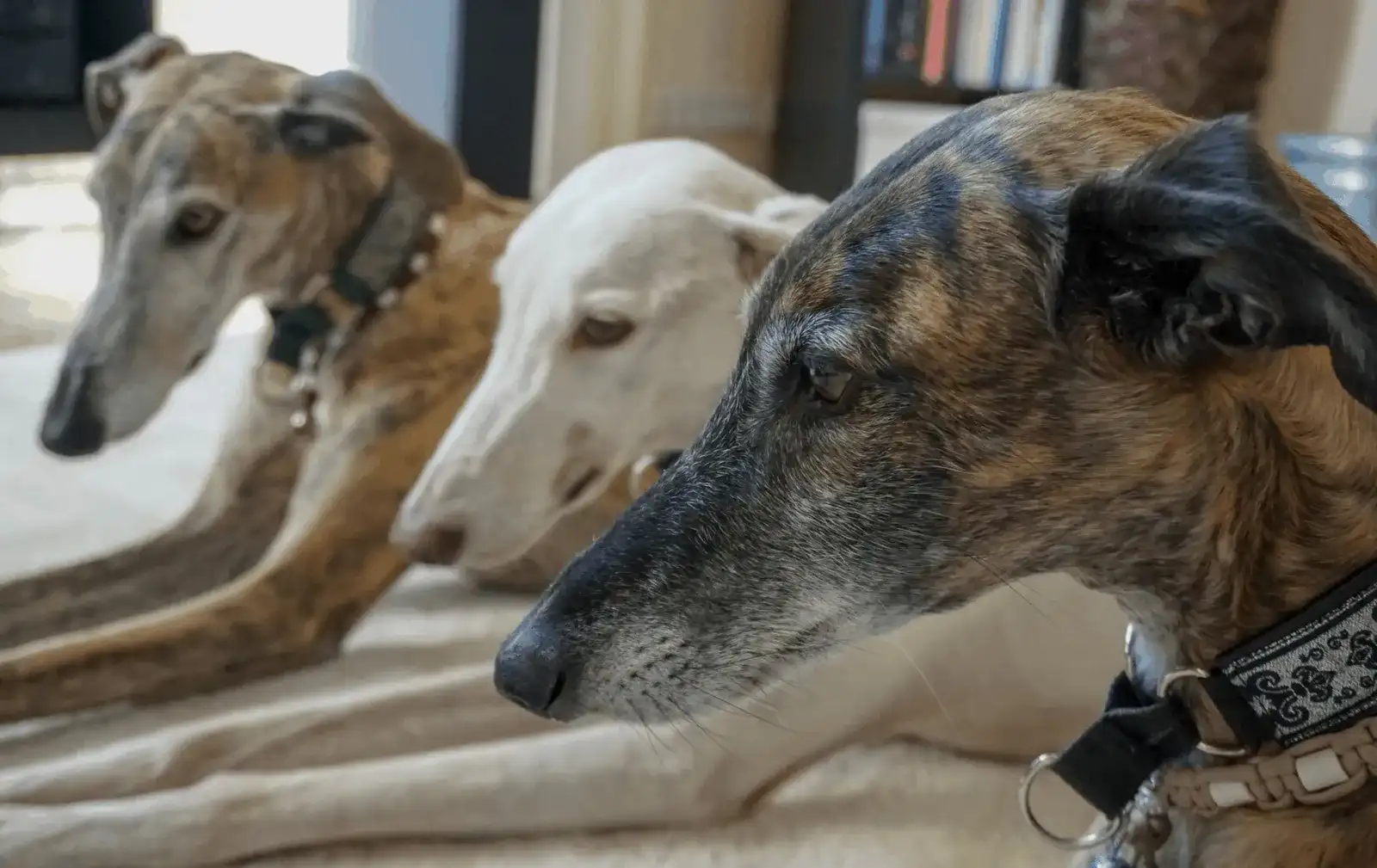
Two days ago, on Friday, it was "World Galgo Day". In Spanish: DÍA DEL GALGO. It takes place every year on 1 February. Sadly, it has a heartbreaking background.
Why?
Because on 1 February the hunting season in Spain comes to an end, and a cruel fate awaits many of these graceful sighthounds. The hare coursing season begins in October, and when it ends in late January, thousands of Galgos have become useless to their hunters.
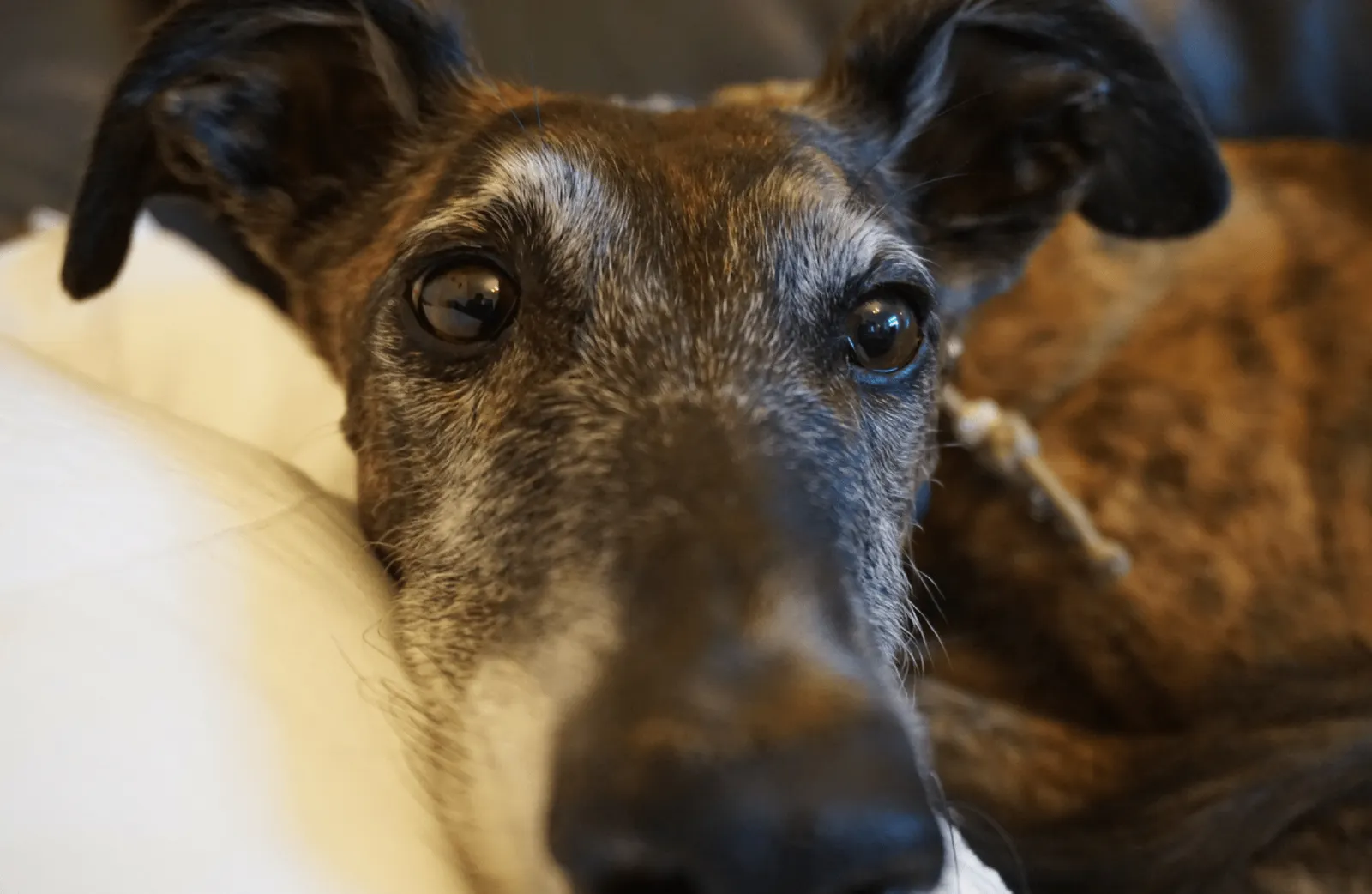
Sprinting after game at 60–70 km/h, these sighthounds bring "prestige" to their owners. By the age of three or four at the latest, the dogs are discarded. Uncontrolled breeding ensures a steady supply of new animals every year. You will almost never find an old Galgo with its hunter, even though the breed can easily live to 15 years or more.
The Galguéros (hunters who own Galgos) use every means imaginable to get rid of their dogs. If these sensitive animals are lucky, they are handed in to a shelter or at least tied up nearby. That is still the "most humane" way, though in this context, the meaning of the word is questionable!
Brutal methods are unfortunately still very common. It is not unusual for Galgos to be abandoned with a broken leg beforehand, to render them useless for future hunts. Or they are hanged from trees, slowly and in agony. Or they are simply beaten to death… It is estimated that around 50,000 Galgos are "disposed of" every year.
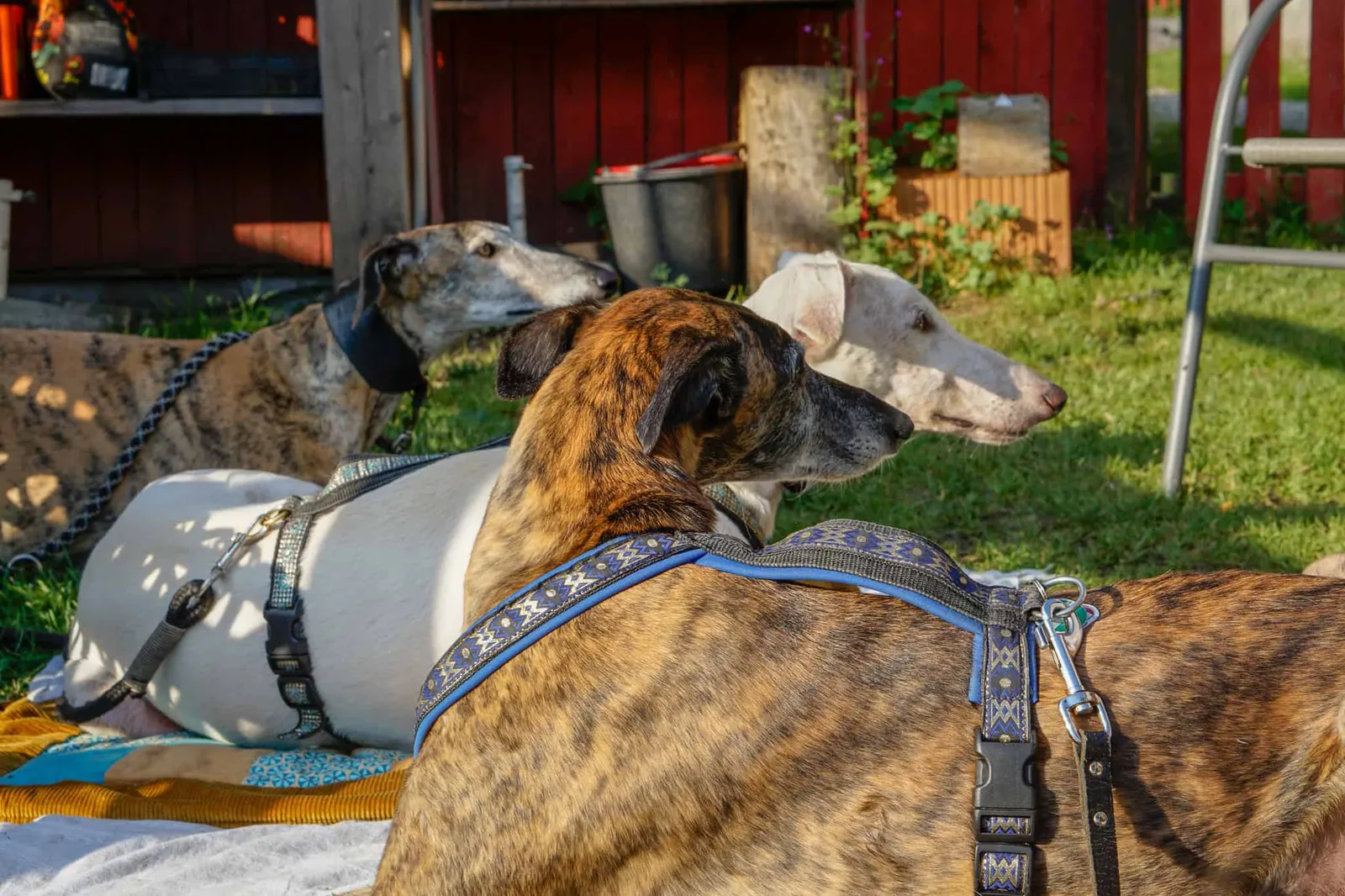
Tireless commitment for the sighthounds
Both on the ground in Spain and in countries such as Austria, Germany, Switzerland and beyond, organisations and countless volunteers are working to ease the fate of the Galgos. Sadly, Spanish shelters are largely bursting at the seams, and rehoming dogs to other EU countries at least brings some relief.
There are many ways to help, and the organisations are always glad to receive support. Apart from helpers on the ground, flight volunteers are needed time and again. So if anyone is ever flying back from Spain, do check the Galgo pages to see whether an angel is needed to accompany a dog into a better future.
Foster carers who take in and nurse a dog back to health are also an essential part of the work and are particularly in demand. Many Galgos have had very bad experiences with humans and first need to relearn that there are two-legged beings who are worth trusting.
Financial donations are of course equally welcome and appreciated.
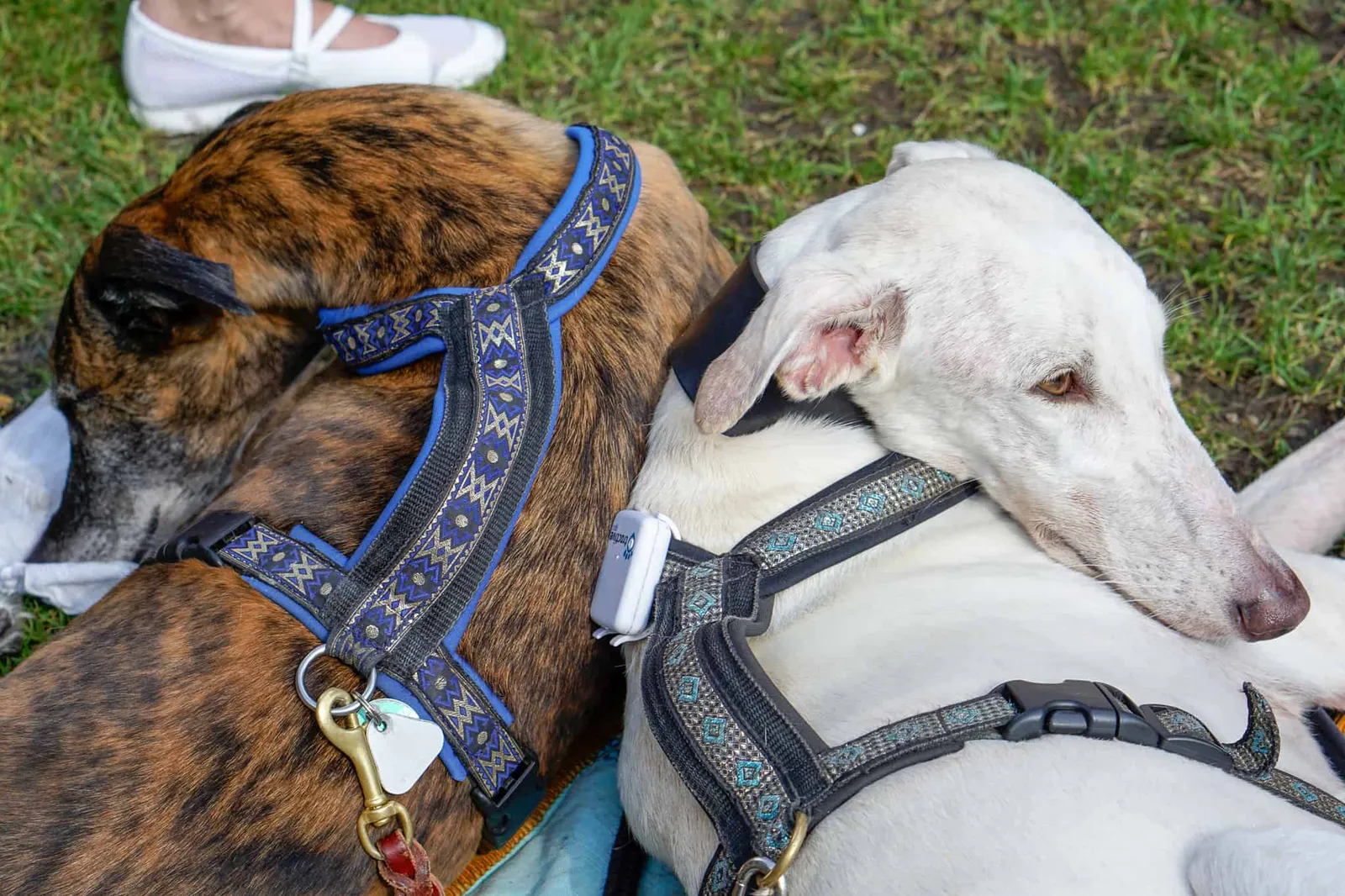
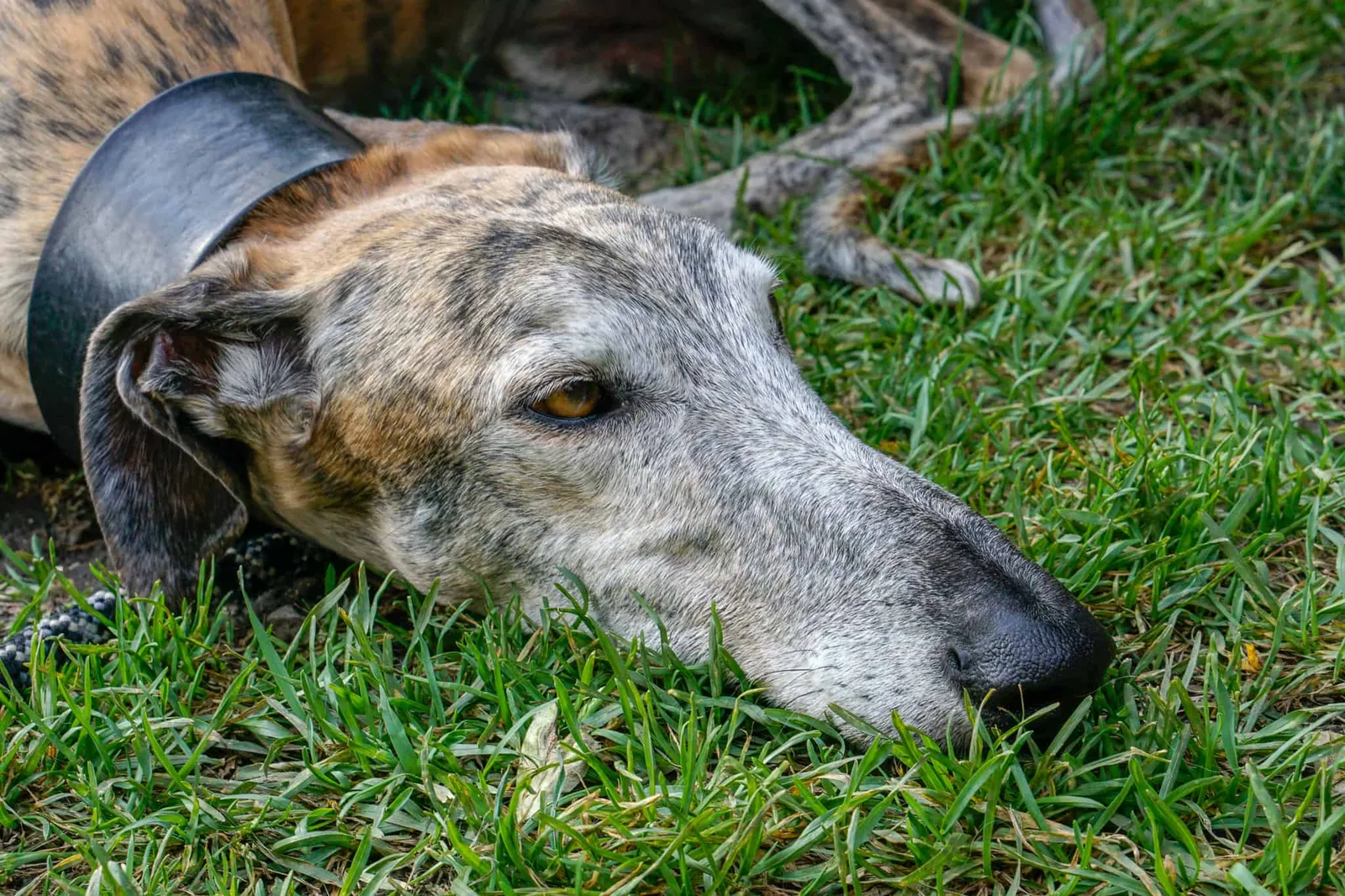
The Galgo as a pet
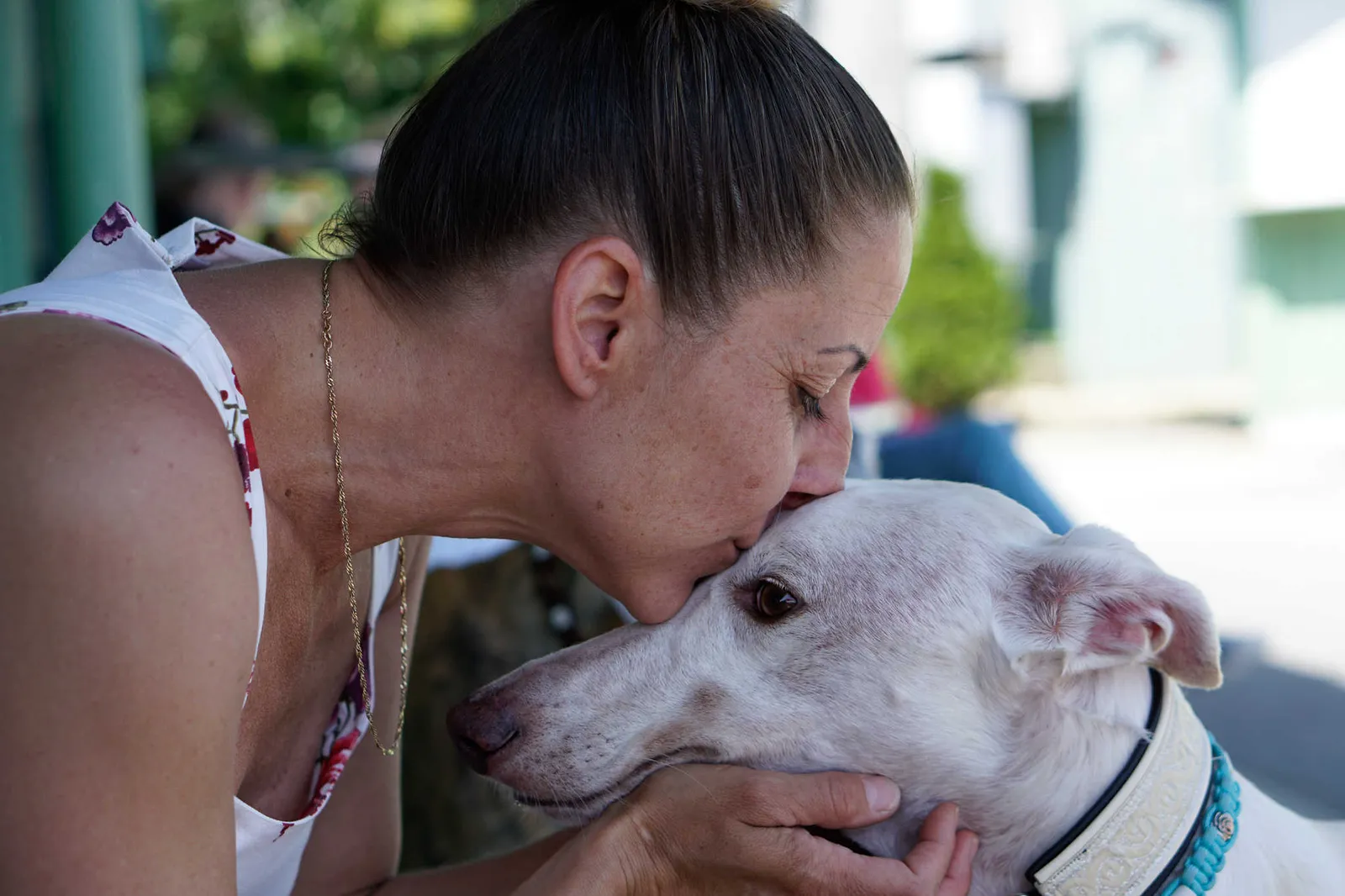
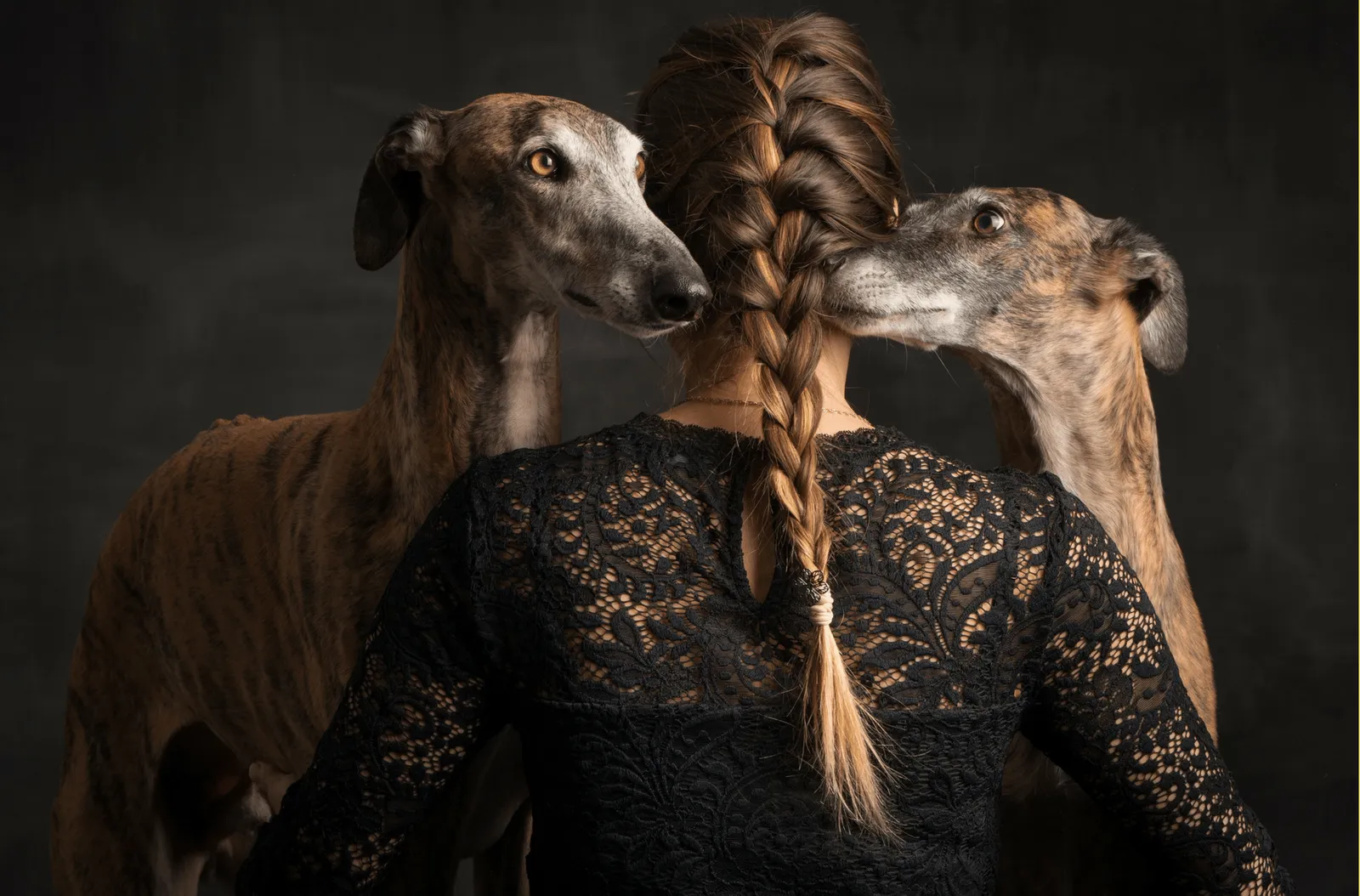
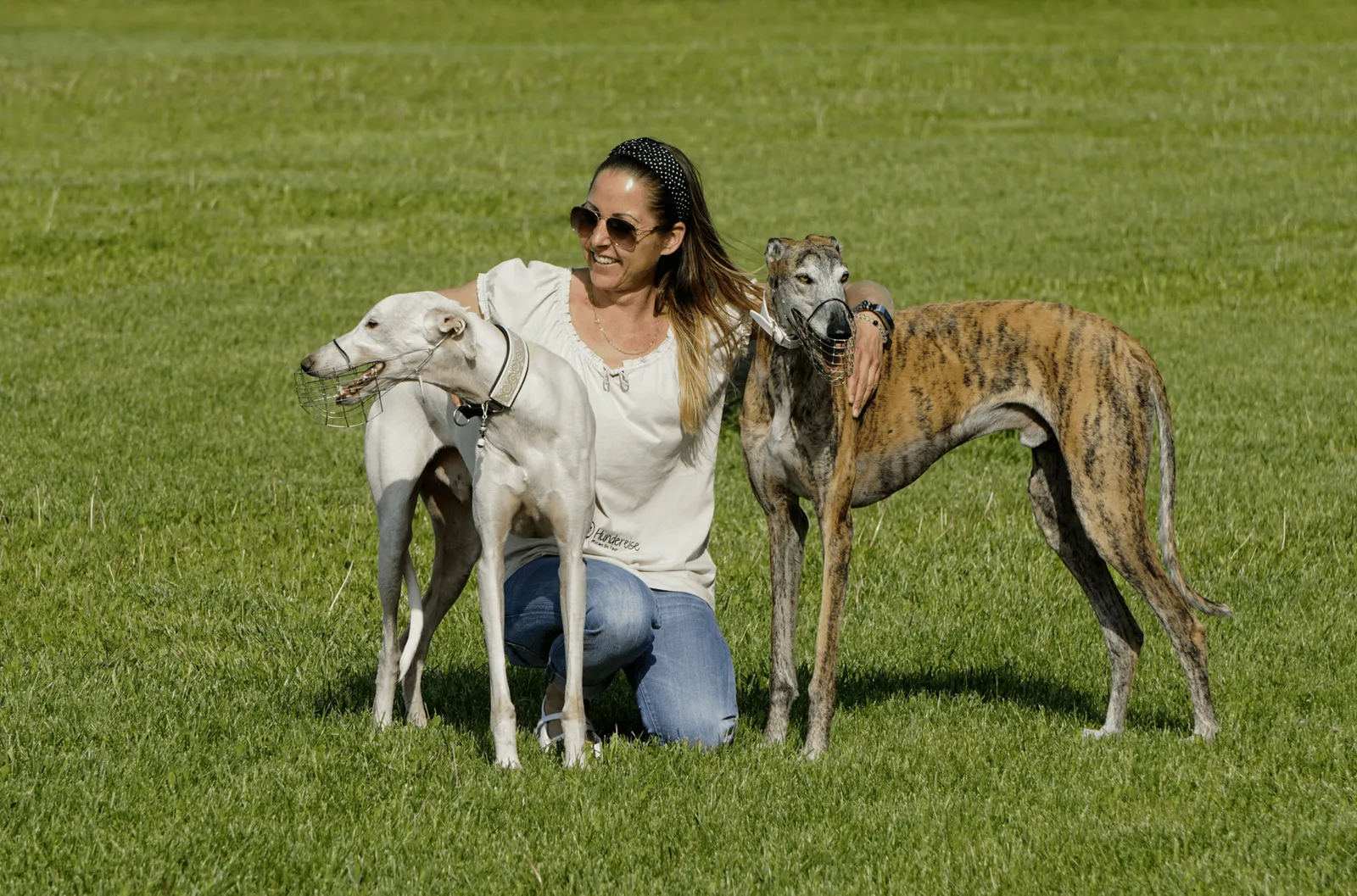
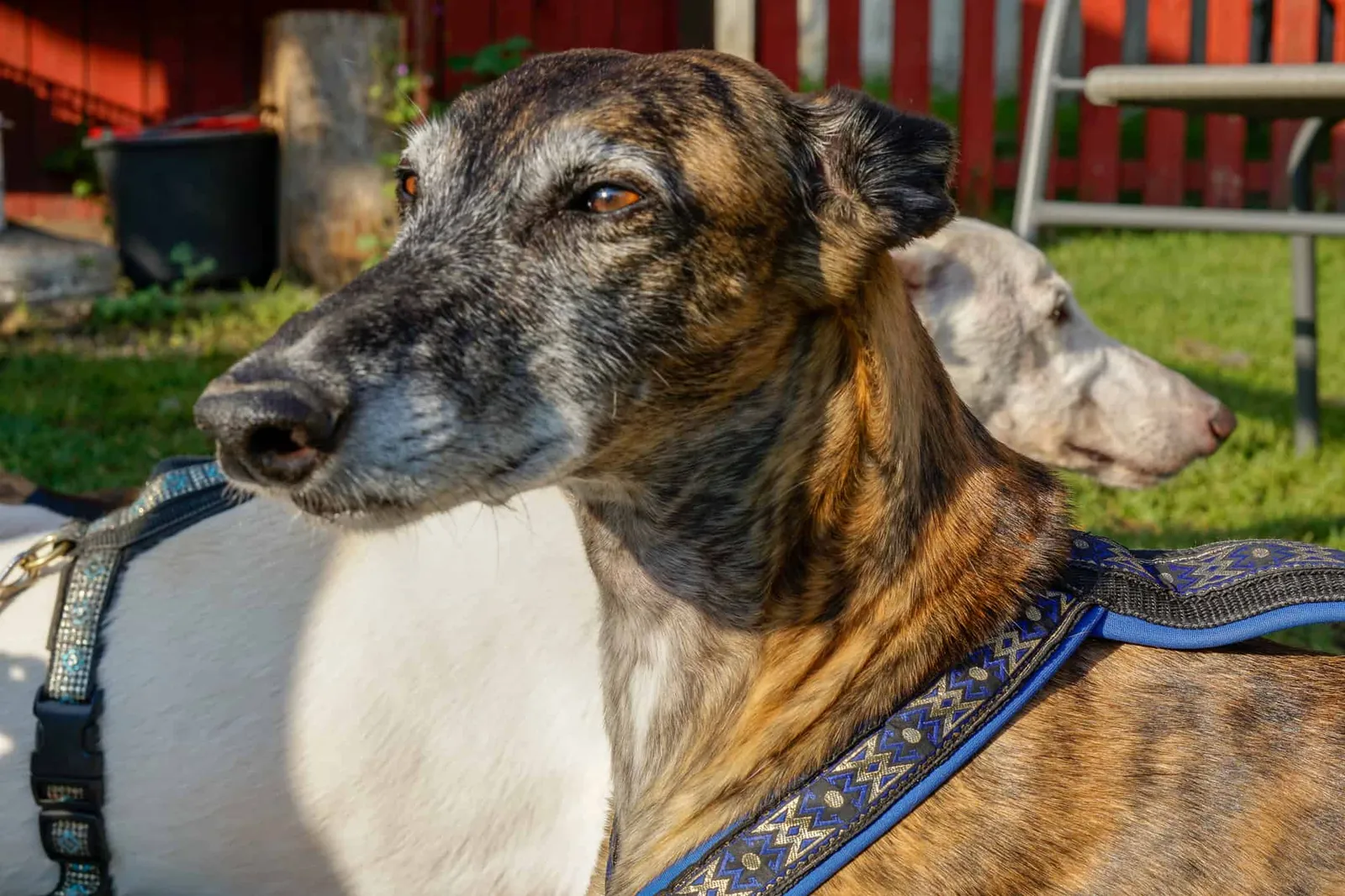
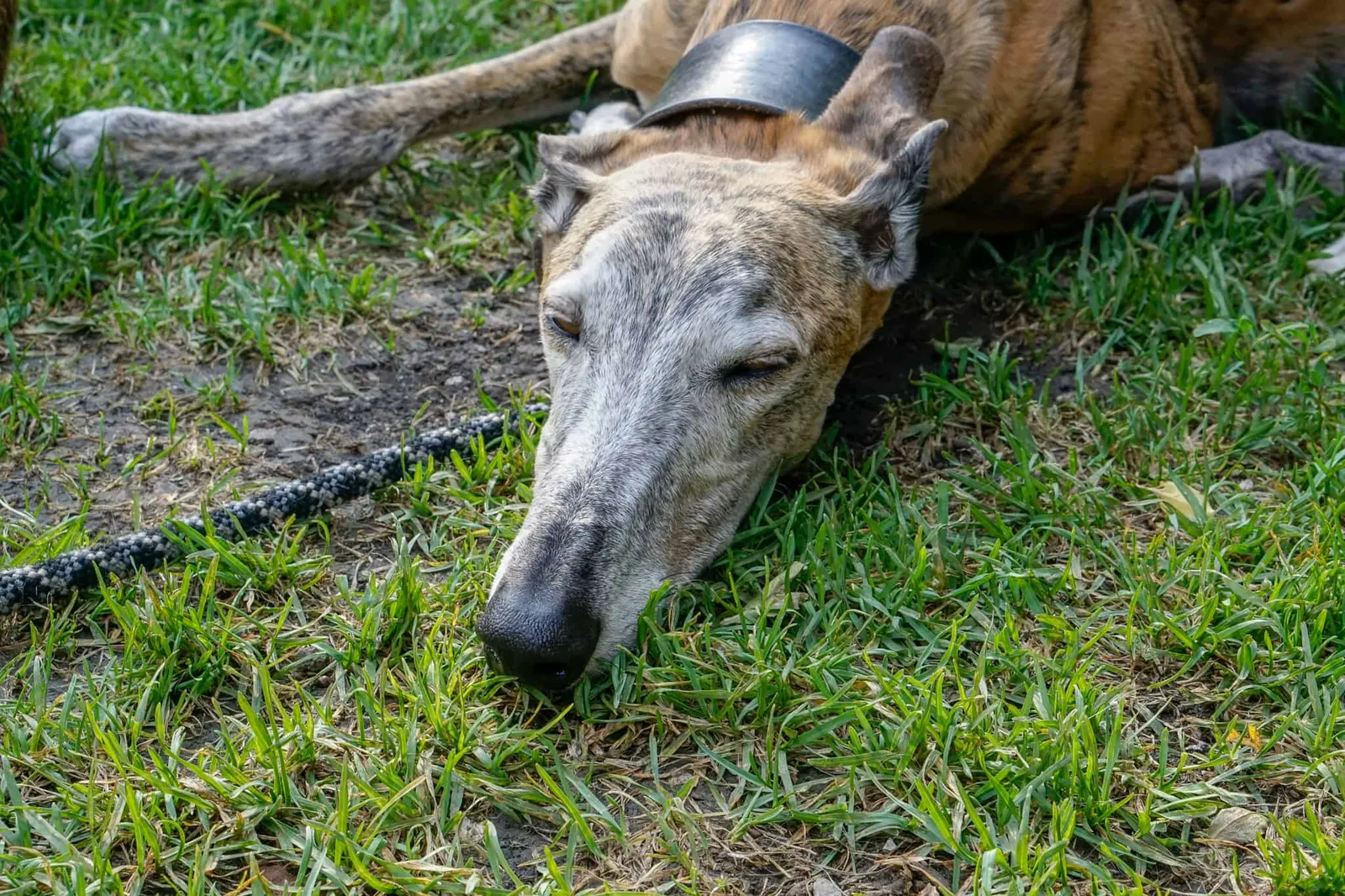
And what makes these dogs happiest of all? Offering them a sofa spot for life. These wonderful creatures have absolutely earned a 2nd chance and show their gratitude by learning to trust again and enjoy life! Martina has fallen head over heels for this breed, and I completely understand how quickly you can fall for the charm of the Spanish sighthounds.
Atlas, who was picked up from the streets of Spain with a broken leg and is now well on his way to becoming a wonderful therapy dog. Tiago, who despite his size and speed was given up to a shelter by his hunter, probably because of his (at the time) anxious nature. And Neroli, who sadly lost his first Austrian dog mum to cancer. All three have found their "Forever Home" with Martina and repay her with their gentle, loving nature.

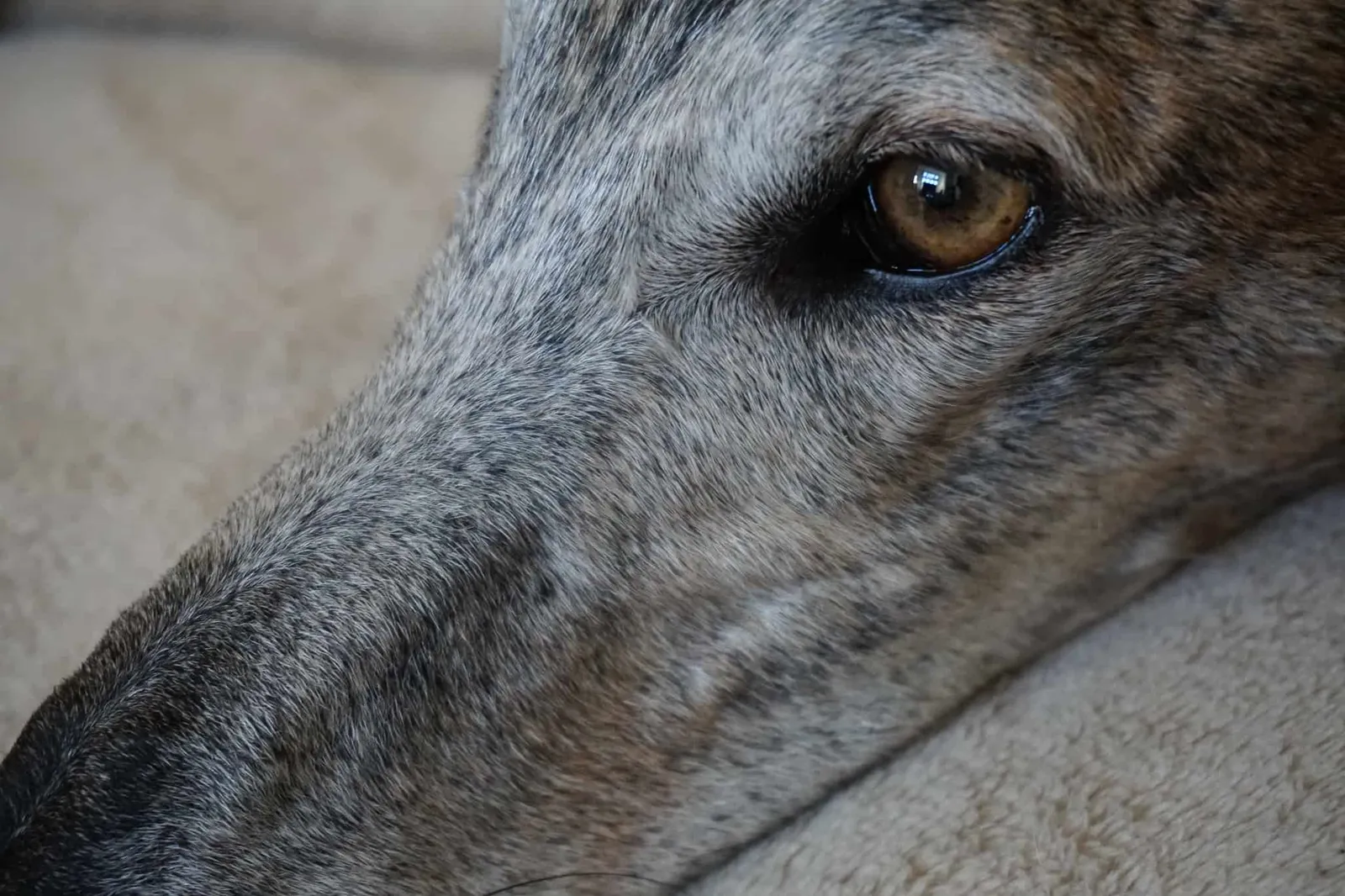

You can read here about what to bear in mind when a Galgo moves in with you.
How can you help?
If you're interested, feel free to get in touch with one of the Austrian Galgo organisations:
New members are warmly welcome, but flight volunteers, foster carers and of course permanent adopters are always needed too. In Germany there are also several organisations that advocate for Galgos.
Another option is to sign petitions, such as this one from Change.org or this one from Veto Tierschutz, in the hope of one day changing Spain's laws on this issue.
And in the meantime we can at least share posts like this one or the official page of the Día del Galgo, to raise awareness of the heartbreaking fate of thousands of Galgos!

Let's spread the word about the fate of the Galgos, together!