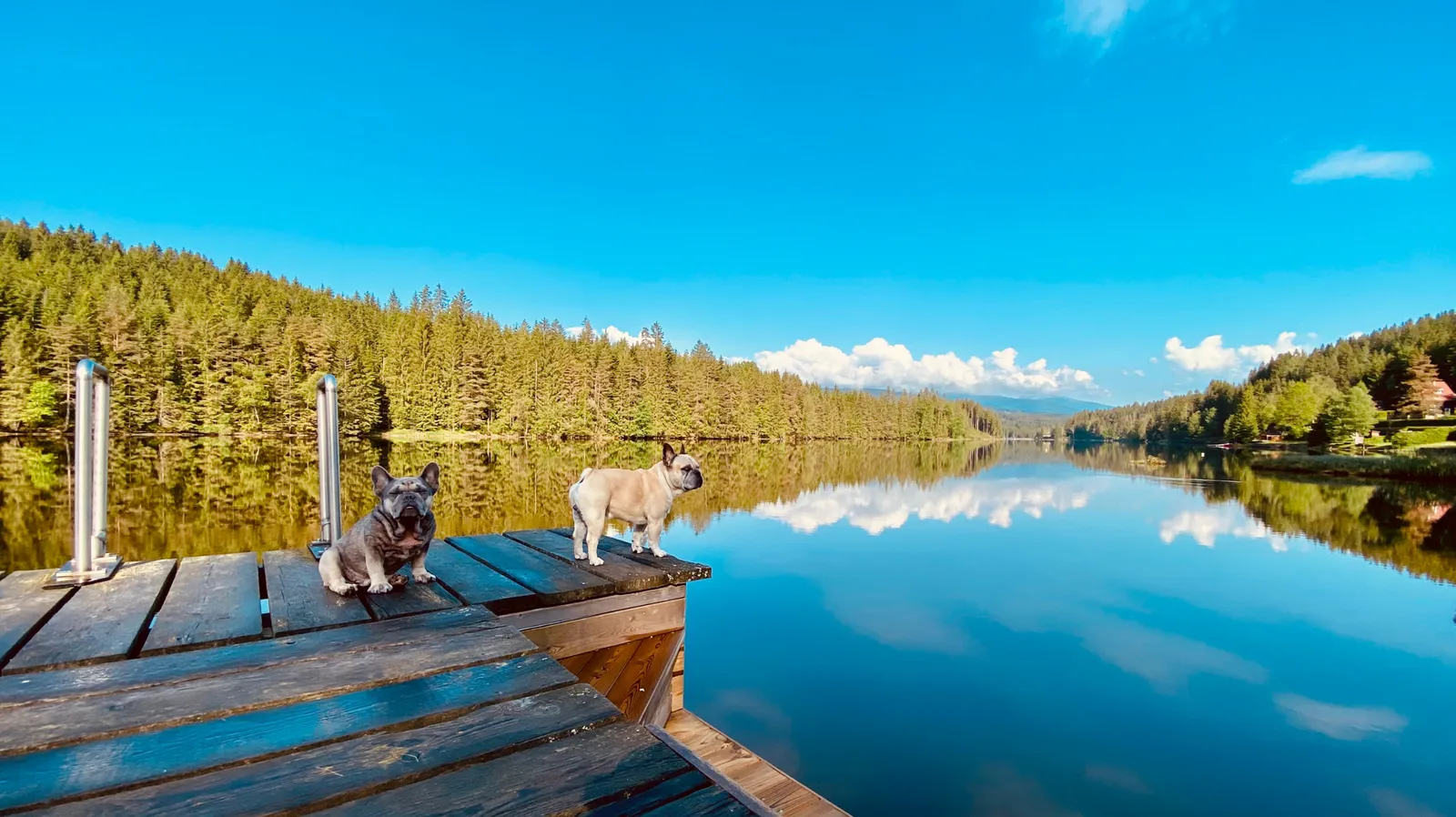

Here I present the second part of our dog-friendly day trips around our wonderful accommodation at the Packer Stausee:
- Wolfsberg in Kärnten
- St. Andrä in Kärnten
- The Piberrunde near Köflach
- The castle ruins of Obervoitsberg and the Energie-Erlebnispark Zangtal
Wolfsberg in Kärnten
Since we can get onto the motorway very quickly from our accommodation, my favourite person, Archie, Murphy and I also planned a little "city trip". Graz would have been just as easy to reach, but we decided to head in the other direction and zipped off towards Kärnten.
Our destination was Wolfsberg. The town lies in the Lavanttal valley, surrounded by the Gurktaler Alps and the Saualpe. Wolfsberg has a rich history stretching back to the Middle Ages. Schloss Wolfsberg, which came into the possession of the Diocese of Bamberg around 1007 and is already documented in records from 1178, is one of the town's most striking landmarks.
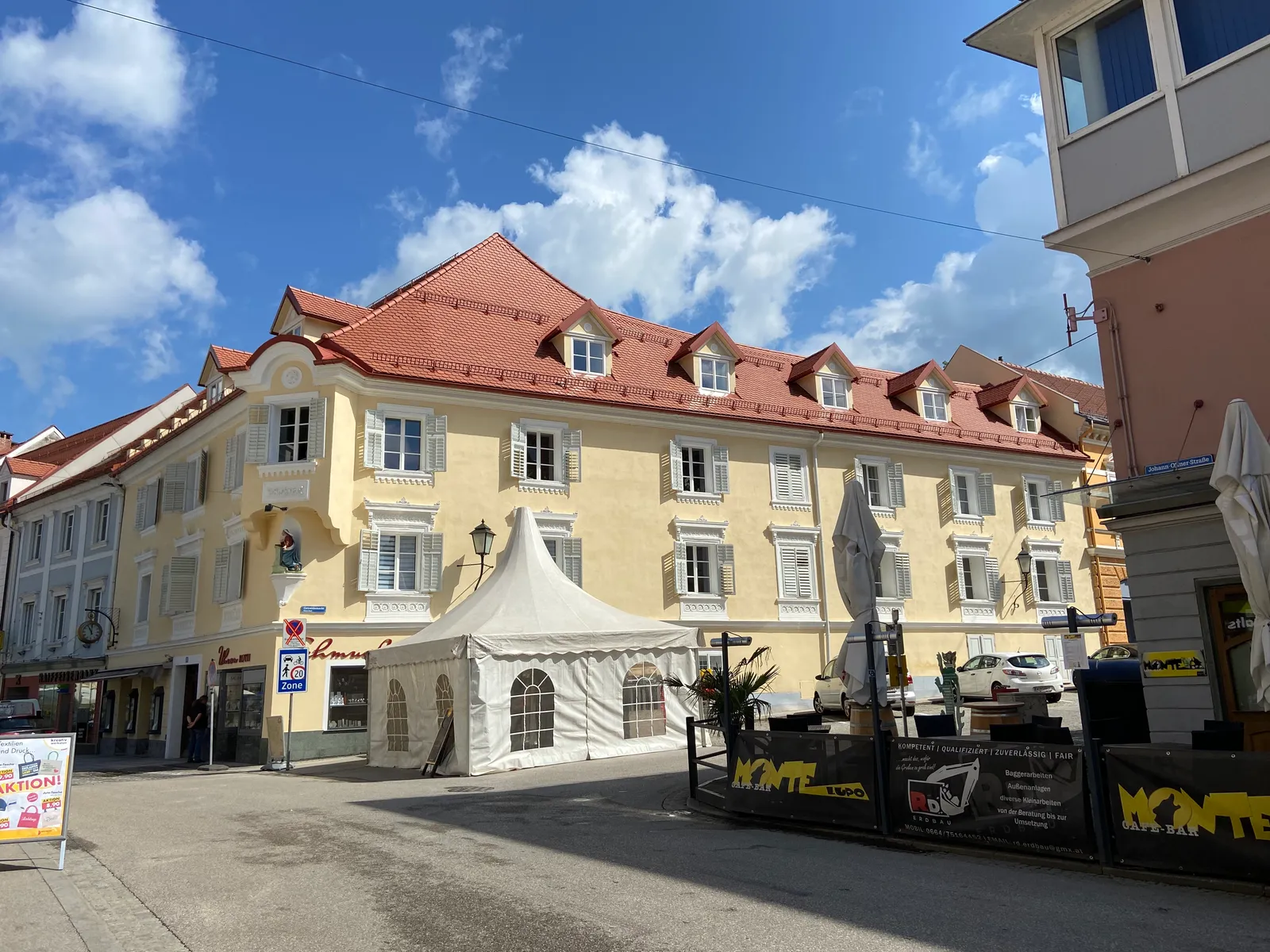
We explored Wolfsberg's town centre on the Monday after the Schönsonntagsmarkt – essentially a four-day fair – and the clean-up and tidy-up crews were still busily at work. Interestingly, this meant we didn't have to pay for parking that day.
Breakfast at Seelenfutter
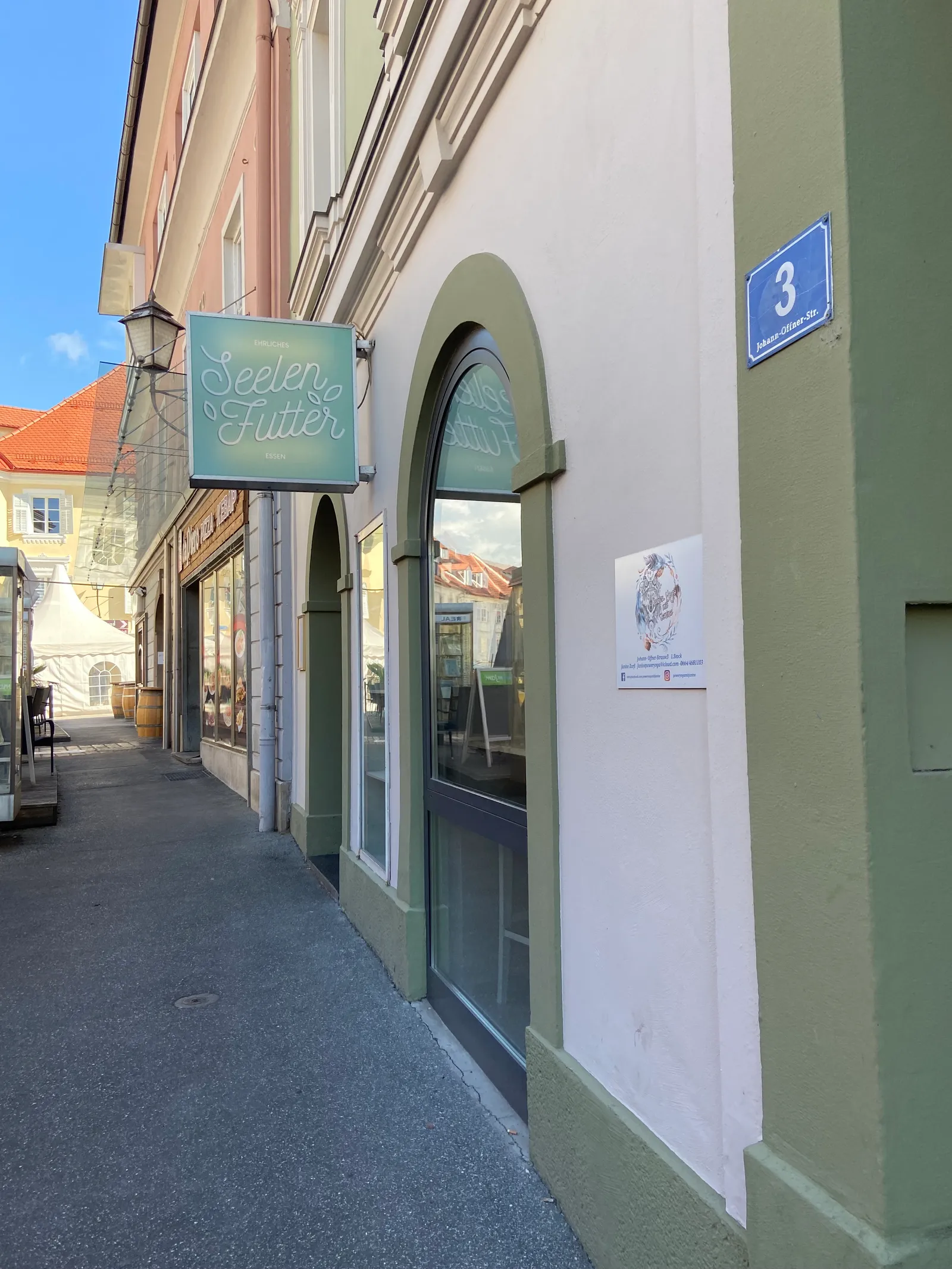
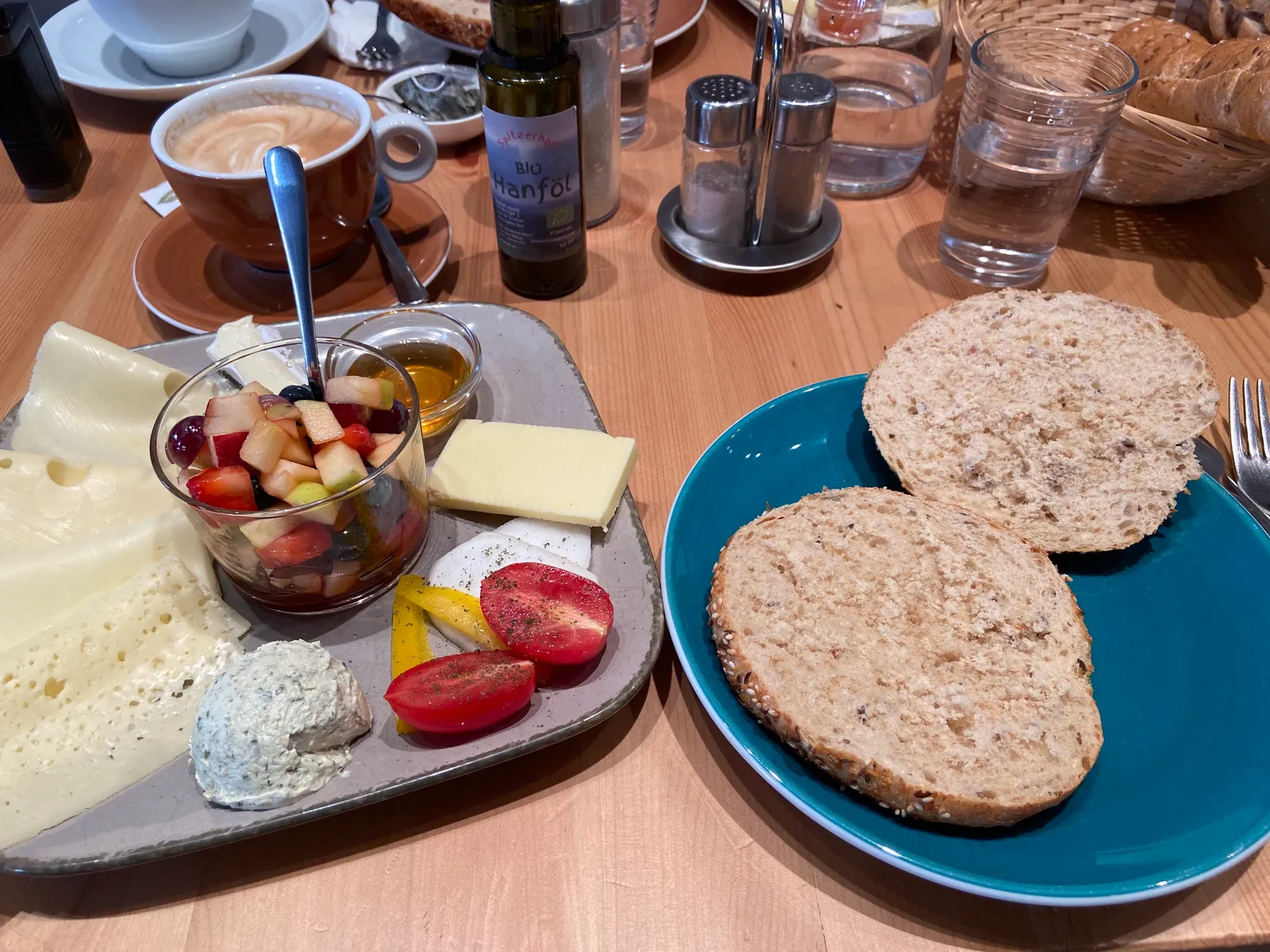
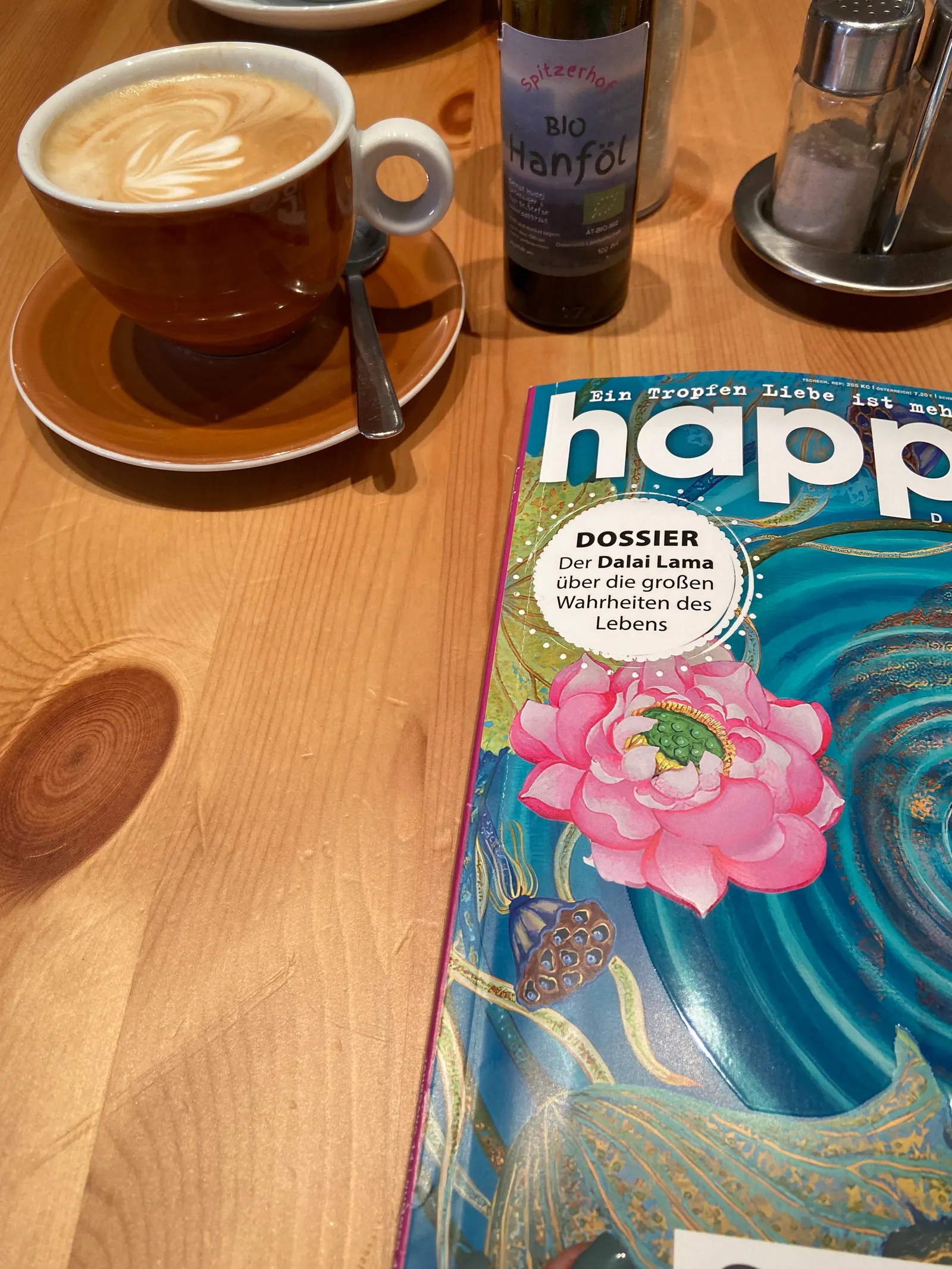
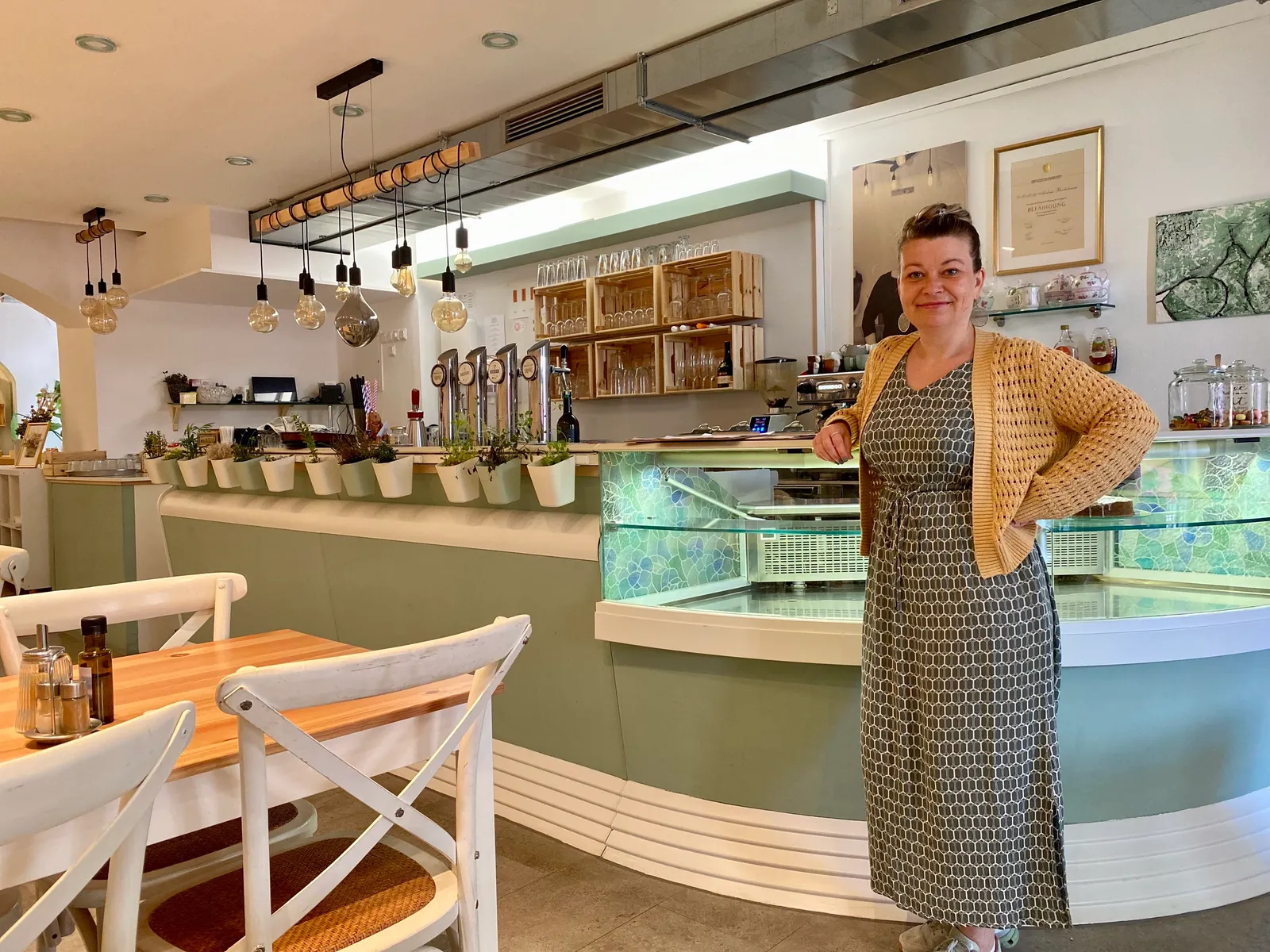
My favourite person had once again tracked down a wonderfully cosy spot for breakfast: Seelenfutter in the pedestrian zone. The friendly service and the delicious food had us ordering our lunch to take away for later before we'd even finished eating.

Schloss Wolfsberg and the Circular Trail
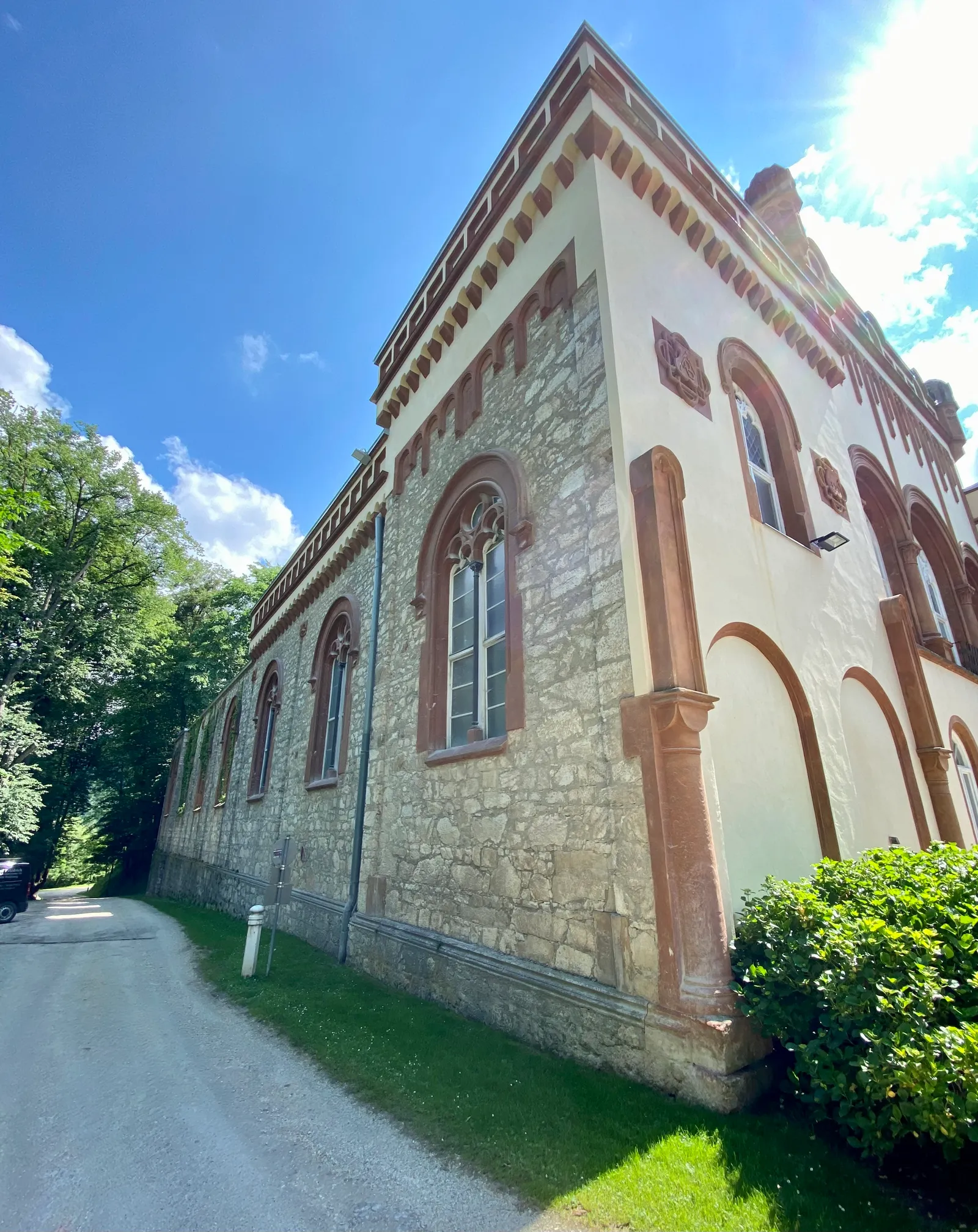
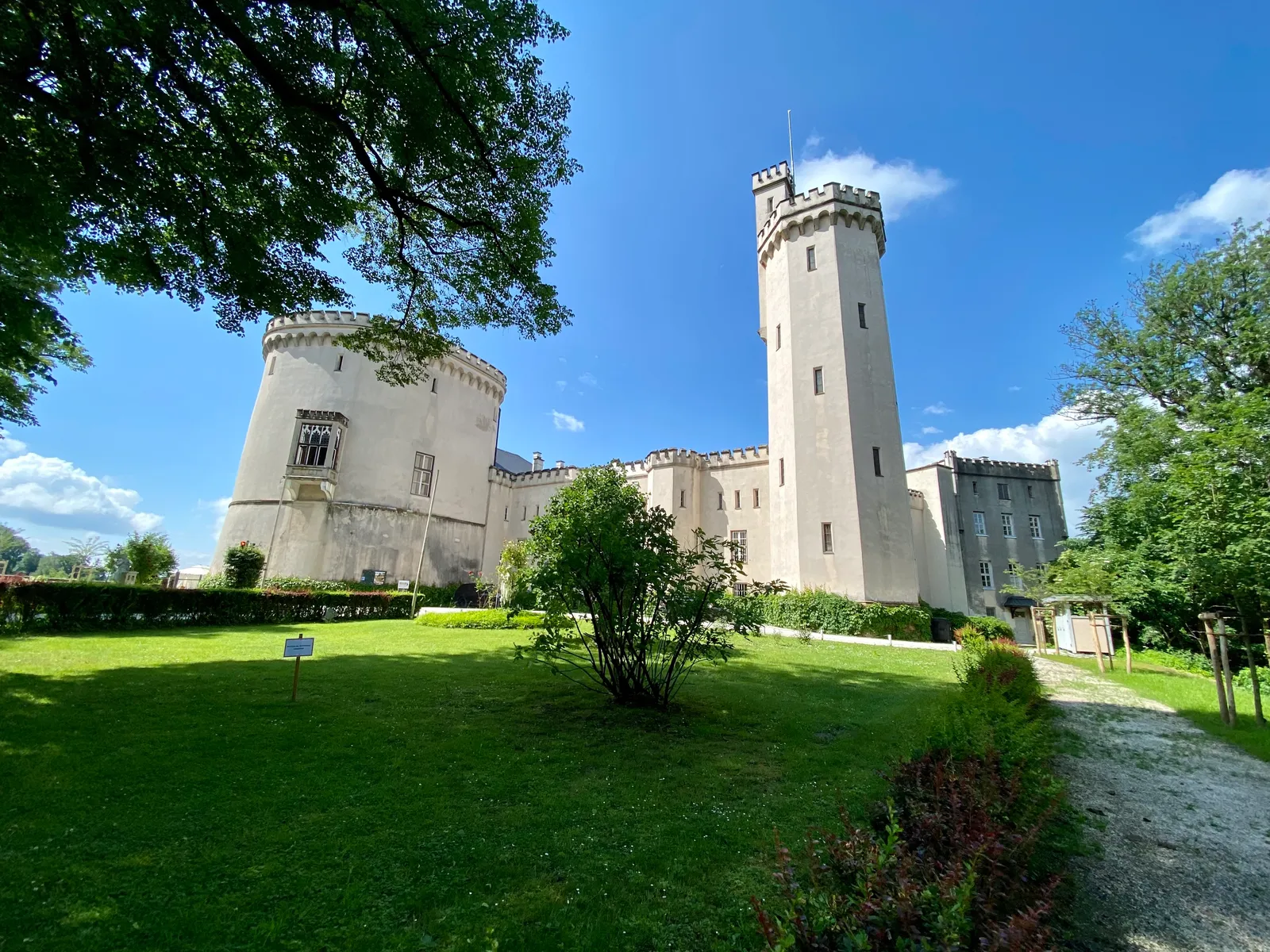
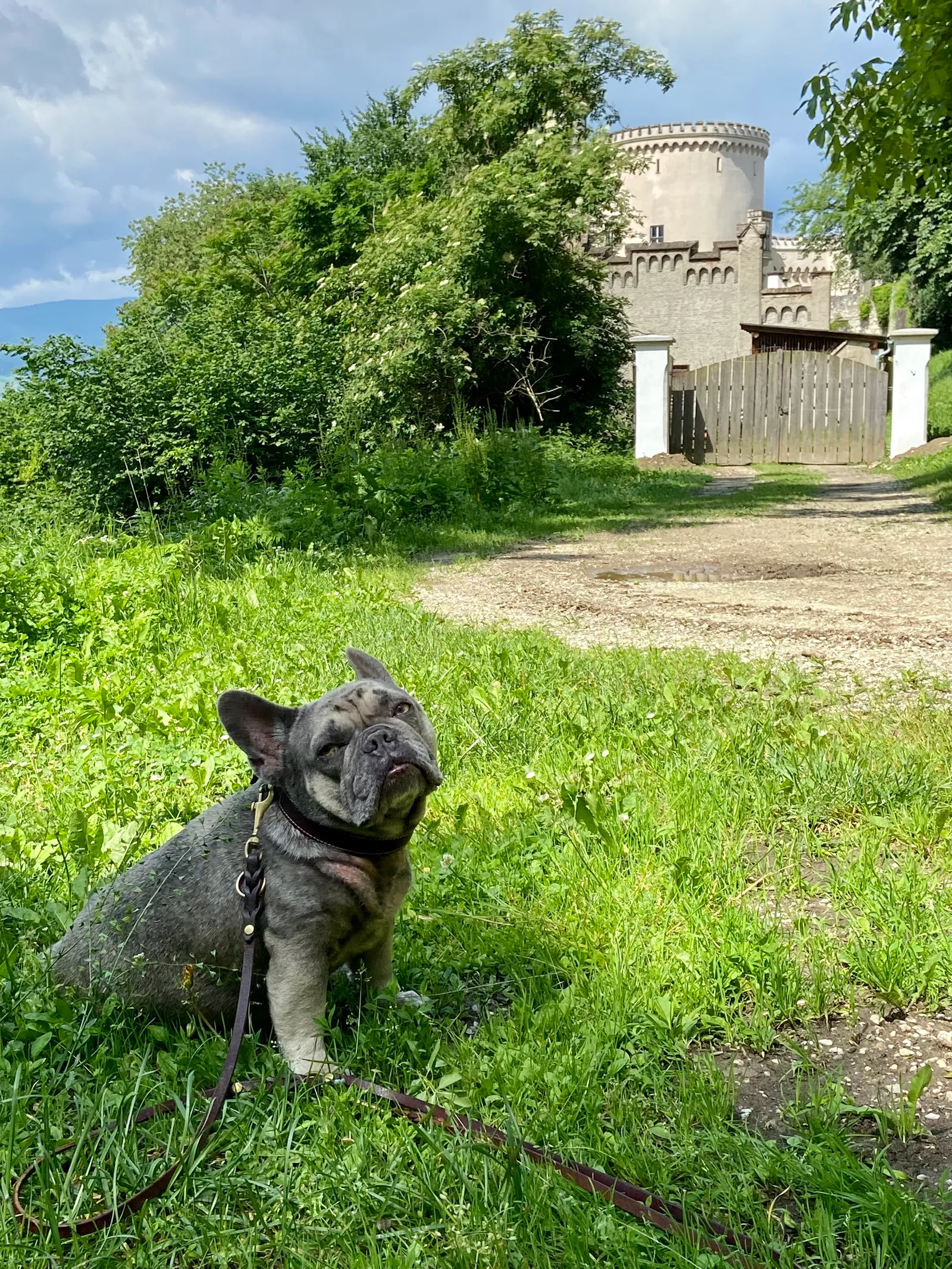
After this enjoyable meal, we set out to walk the Schlossberg Rundweg. We wanted to see up close the medieval fortress, also known as Schloss Henckel-Donnersmarck, perched on the hill to the north of the town. So we headed up the Schlossbergweg towards the castle.
As I mentioned above, the history goes back to the 12th century, when the castle was built as a fortress to defend the region. Today this very well-preserved castle houses an events centre with exhibitions, a restaurant and a café, as well as rooms for celebrations such as weddings and much more.
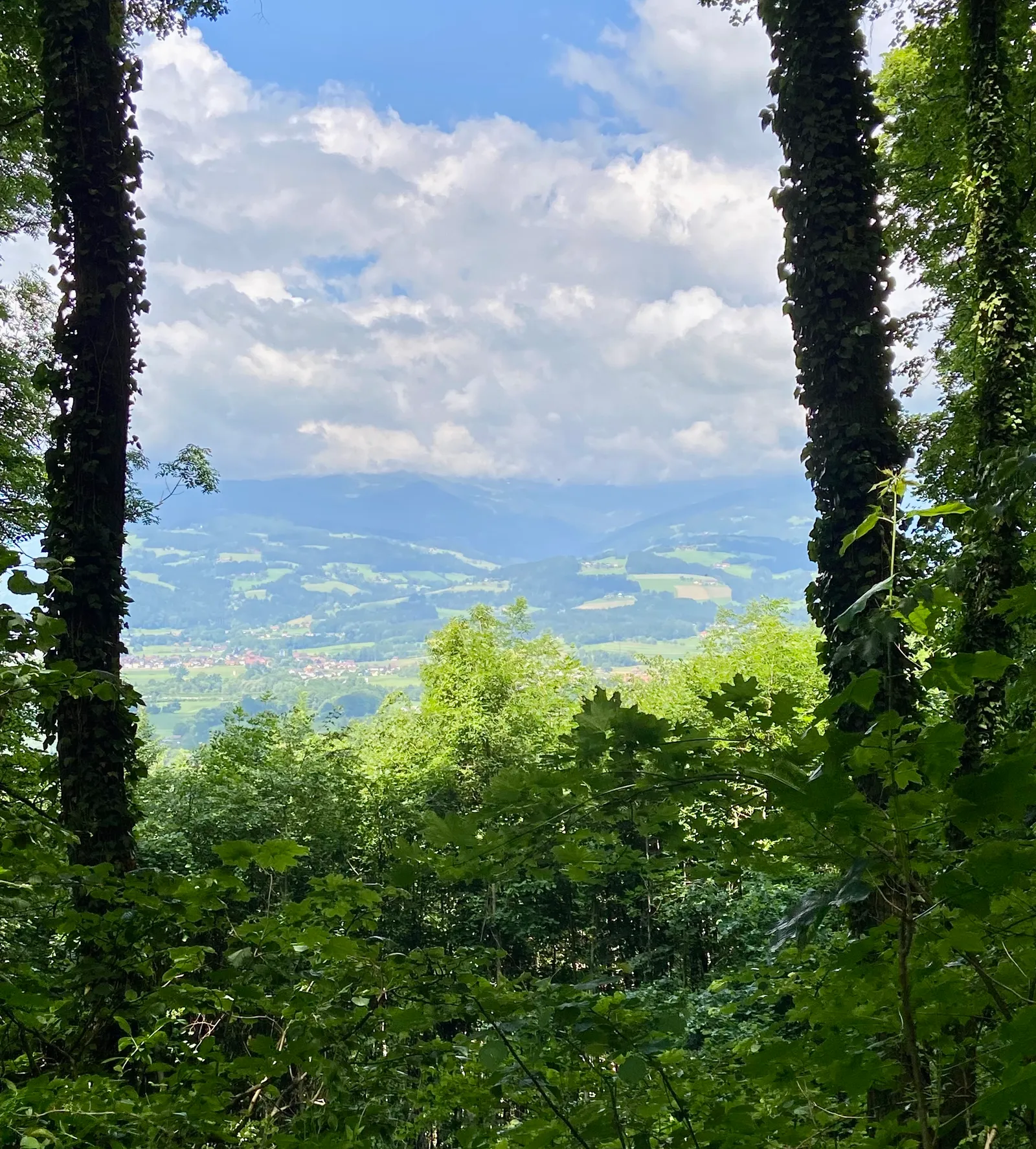
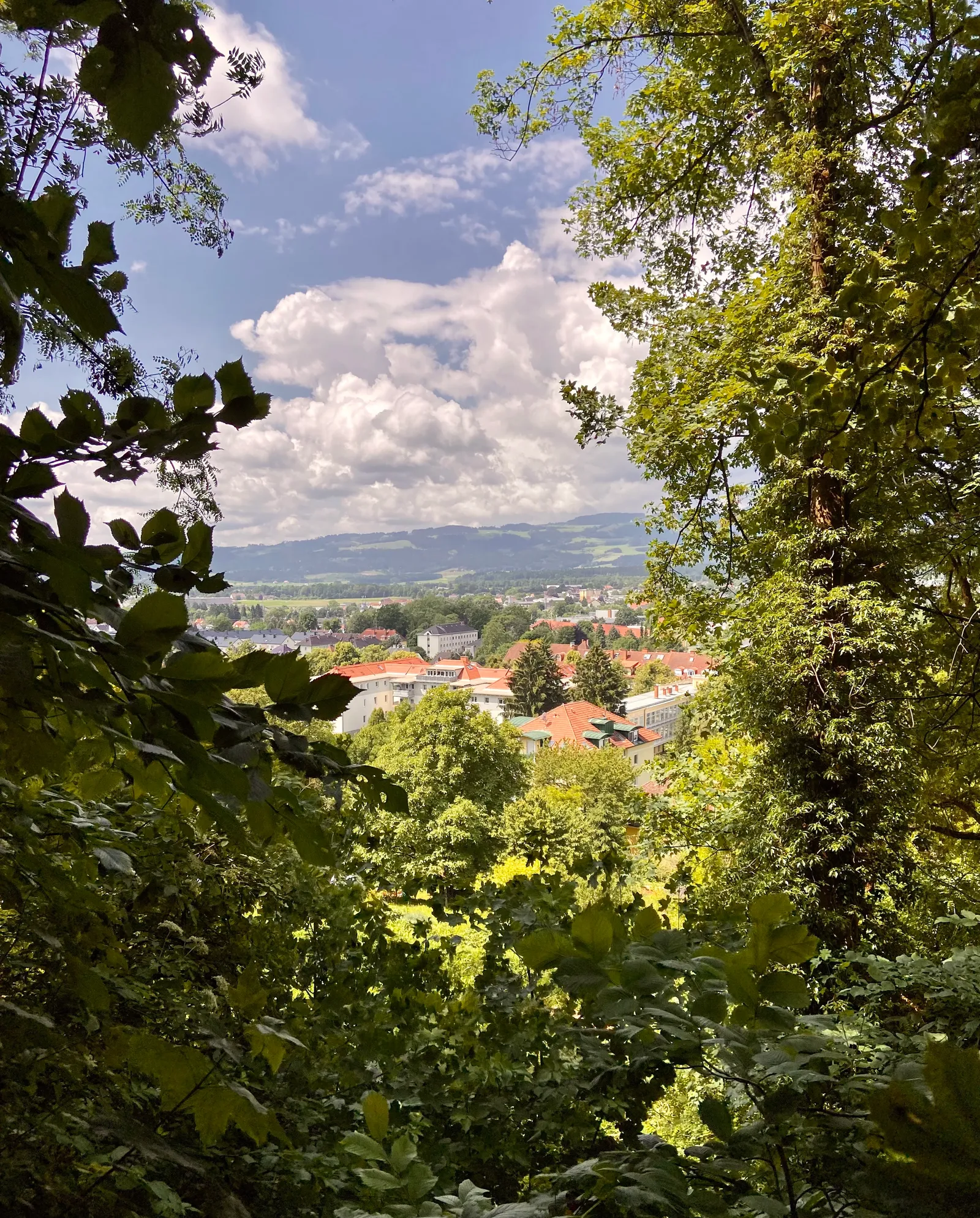
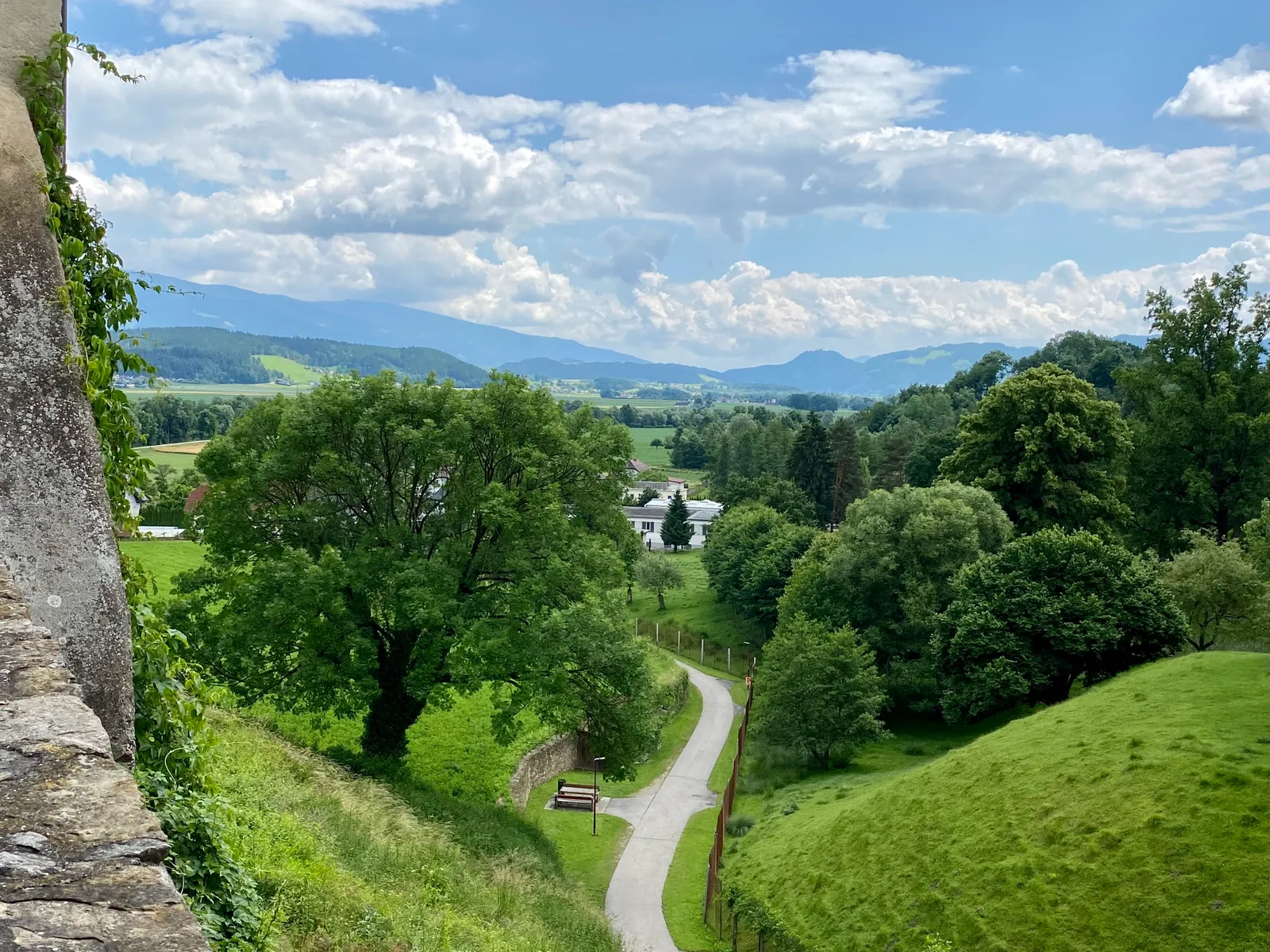
The castle is surrounded by beautiful gardens that visitors can use and explore as a local recreation area. We too enjoyed the elevated position and the picturesque view over the Lavanttal.
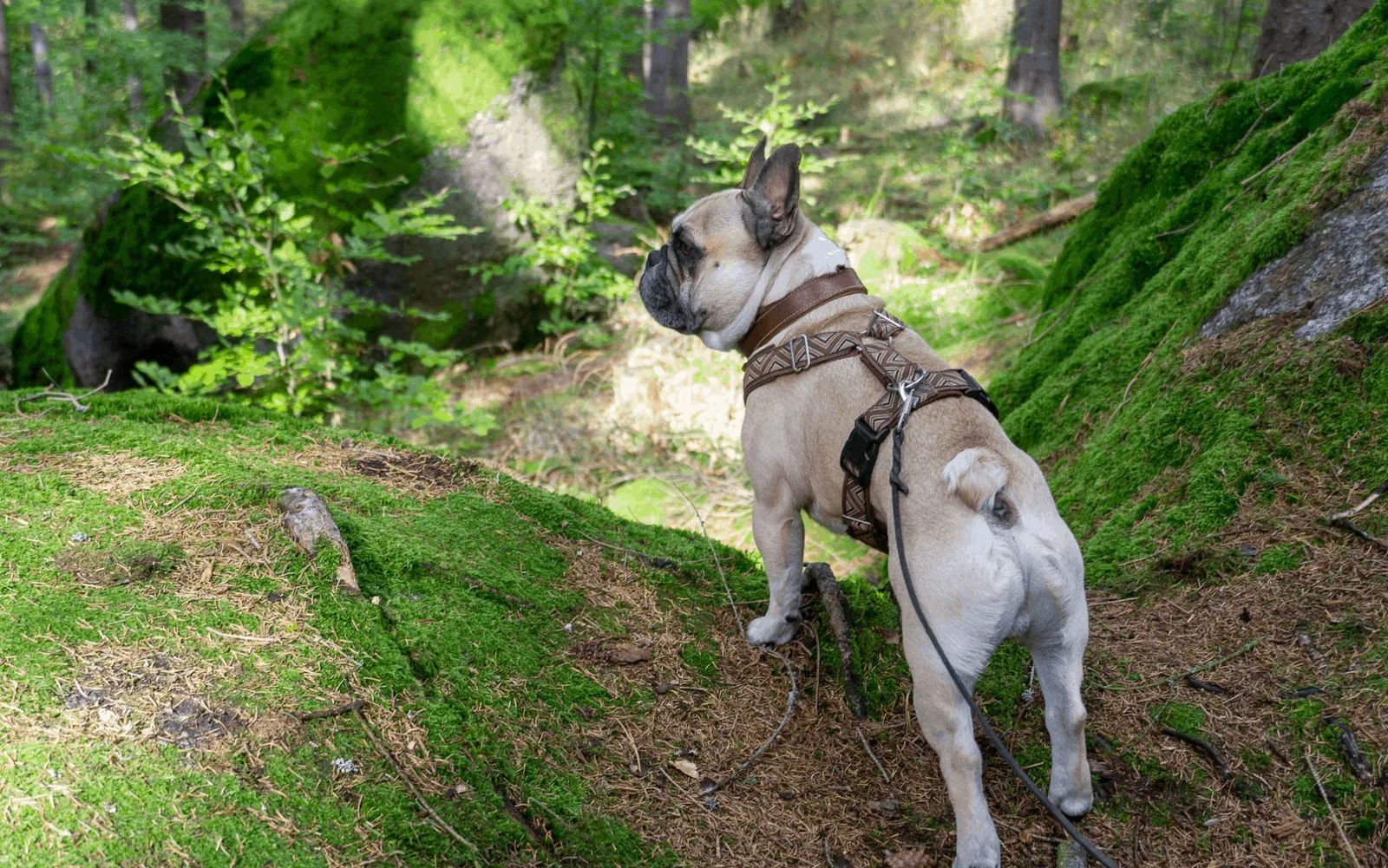
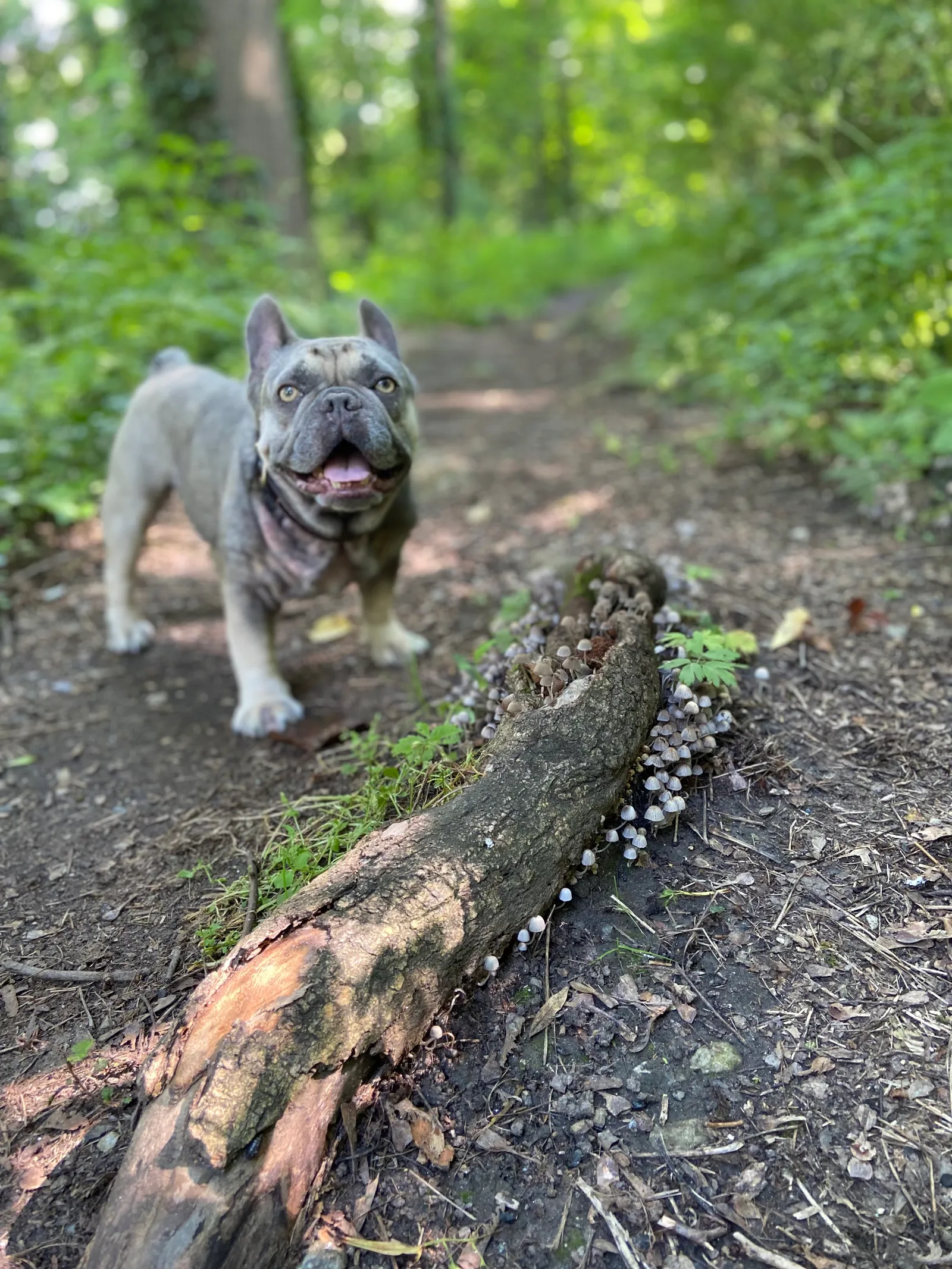
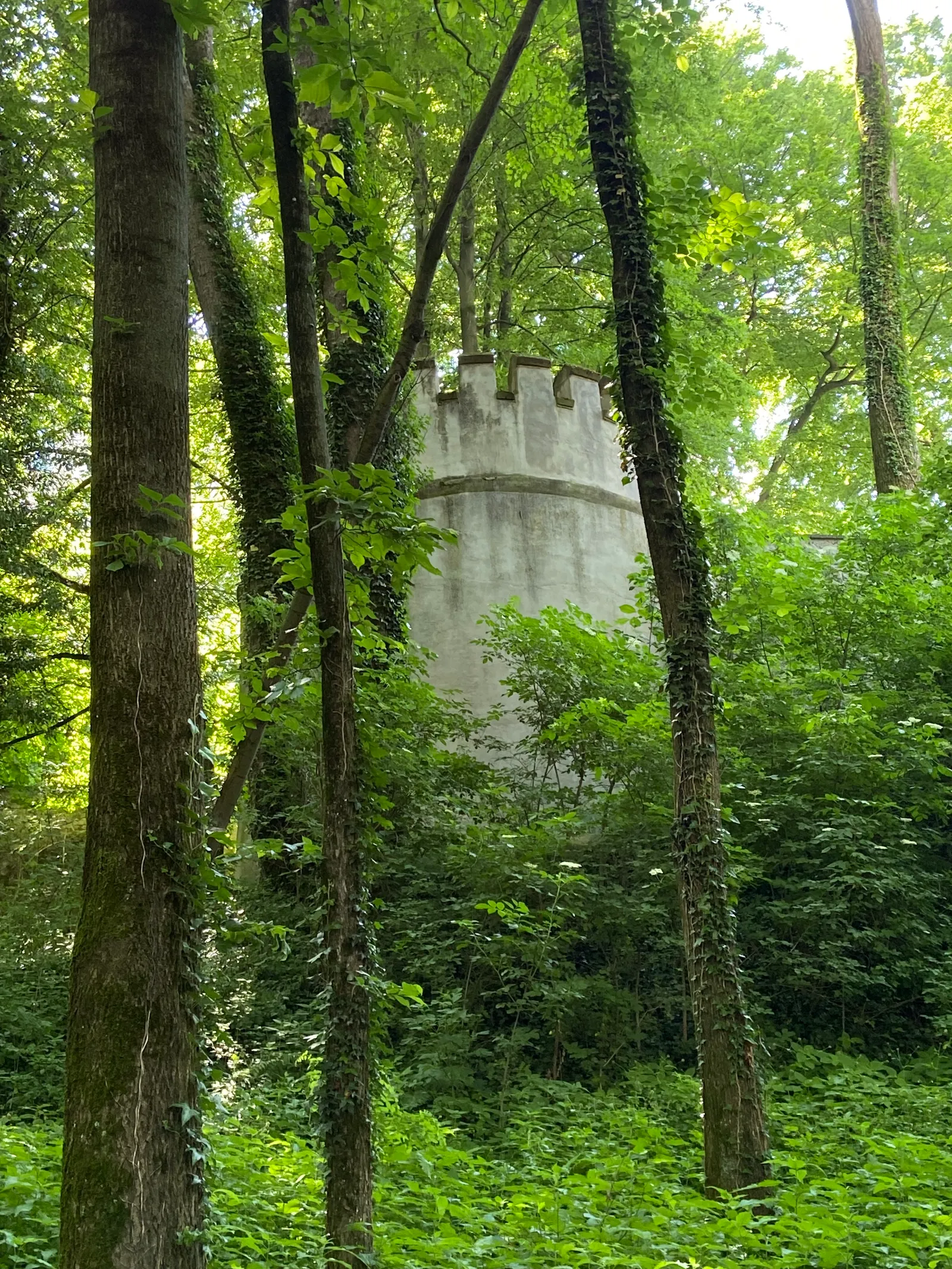
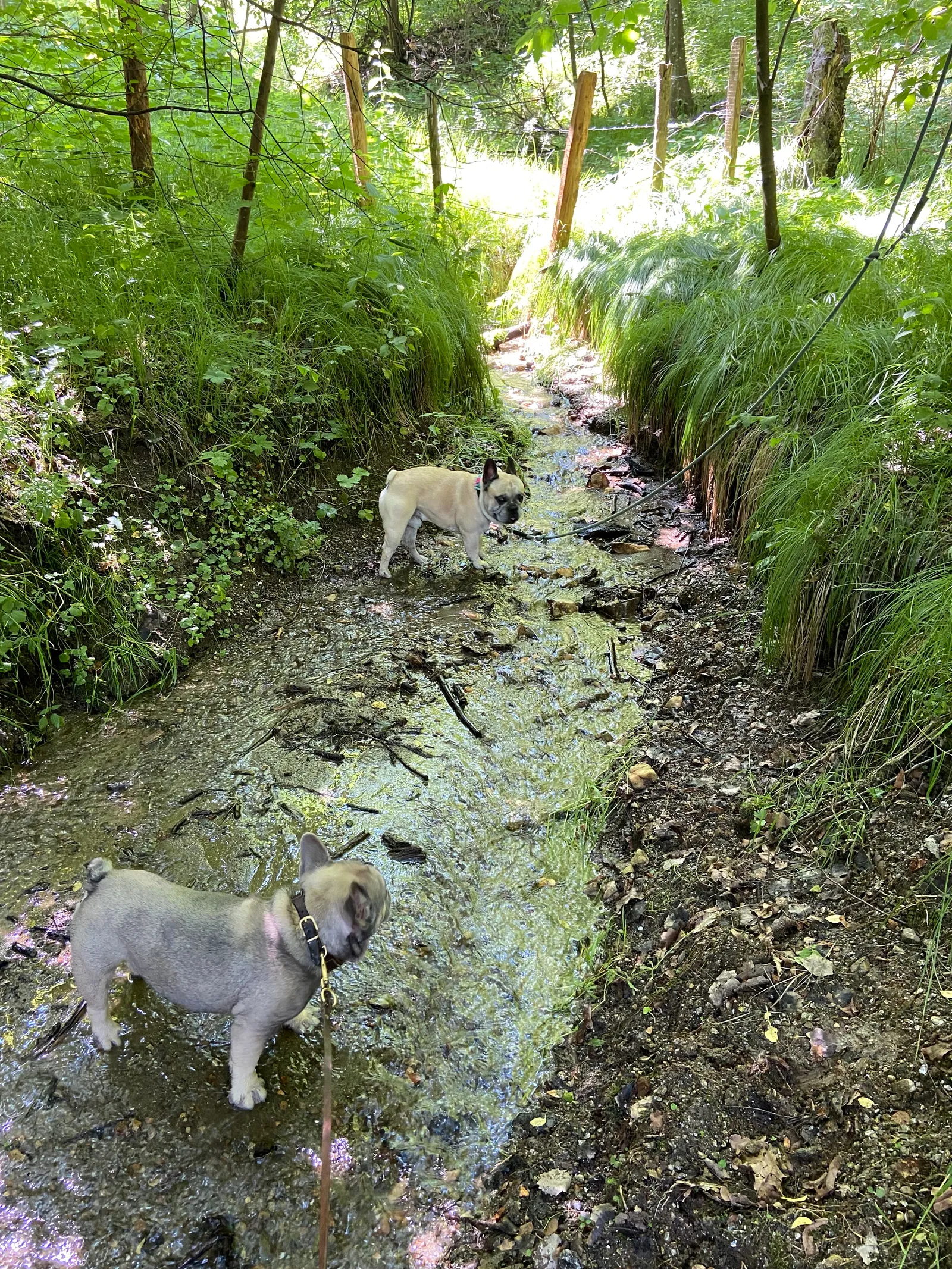
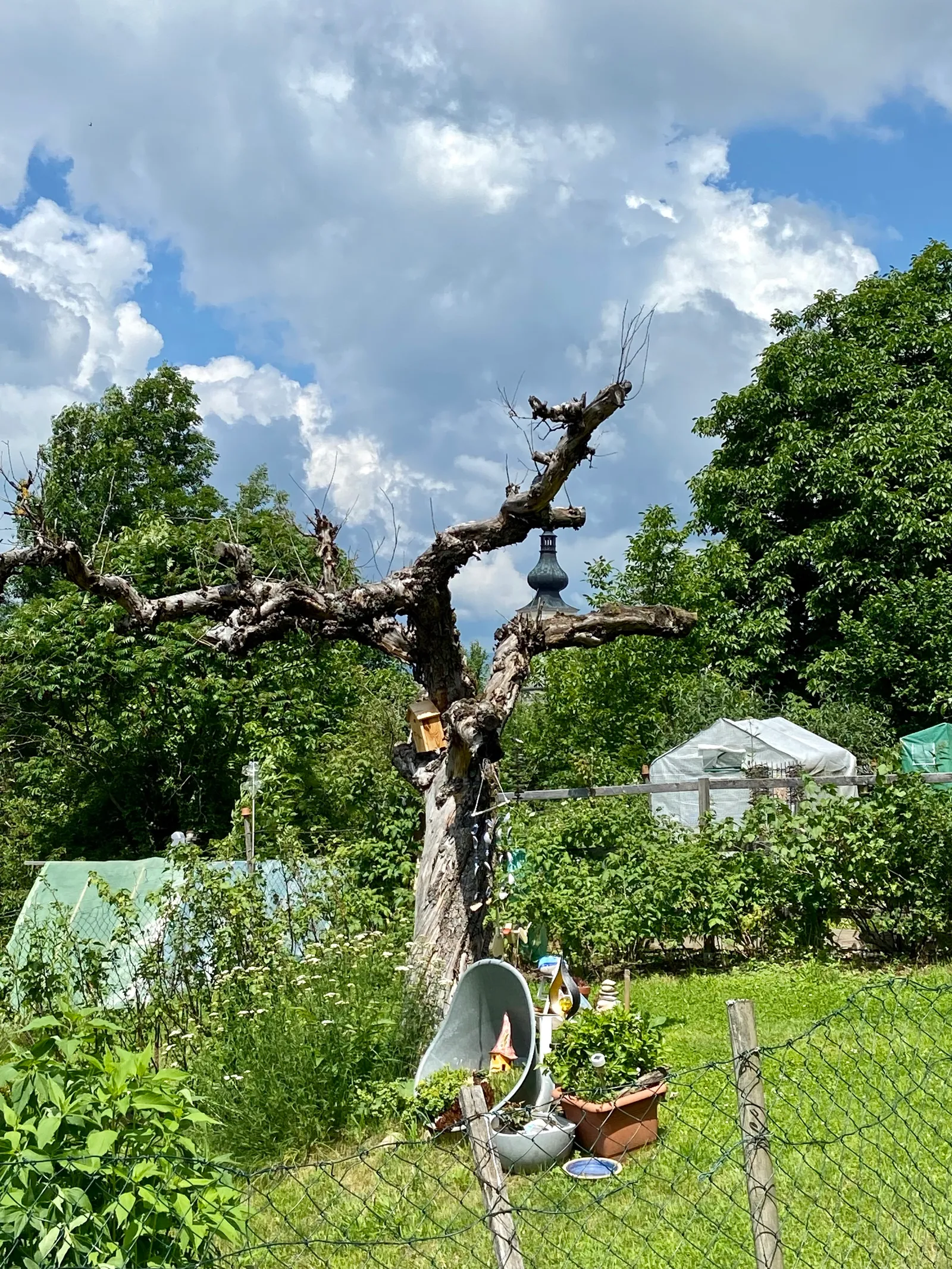
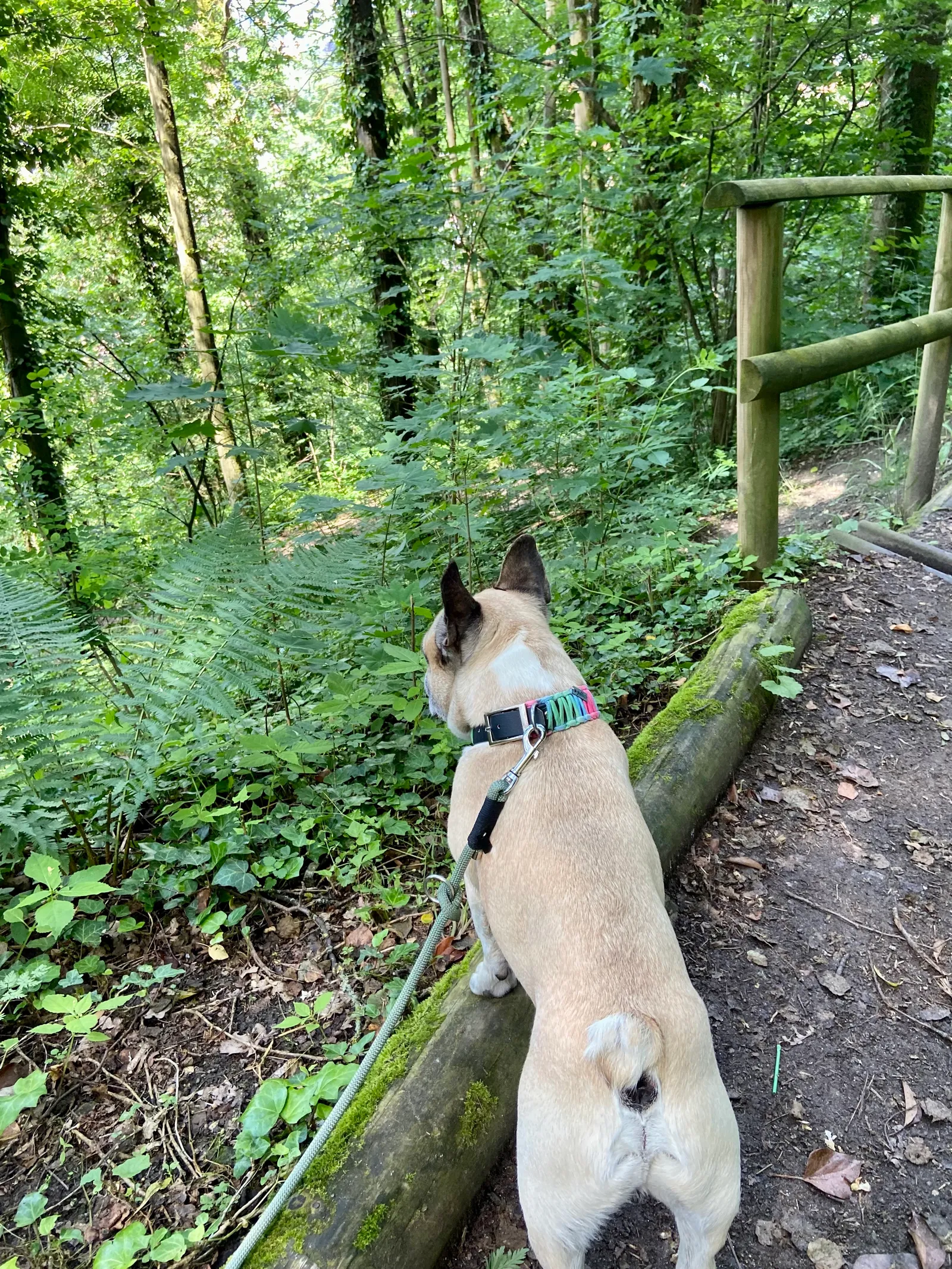
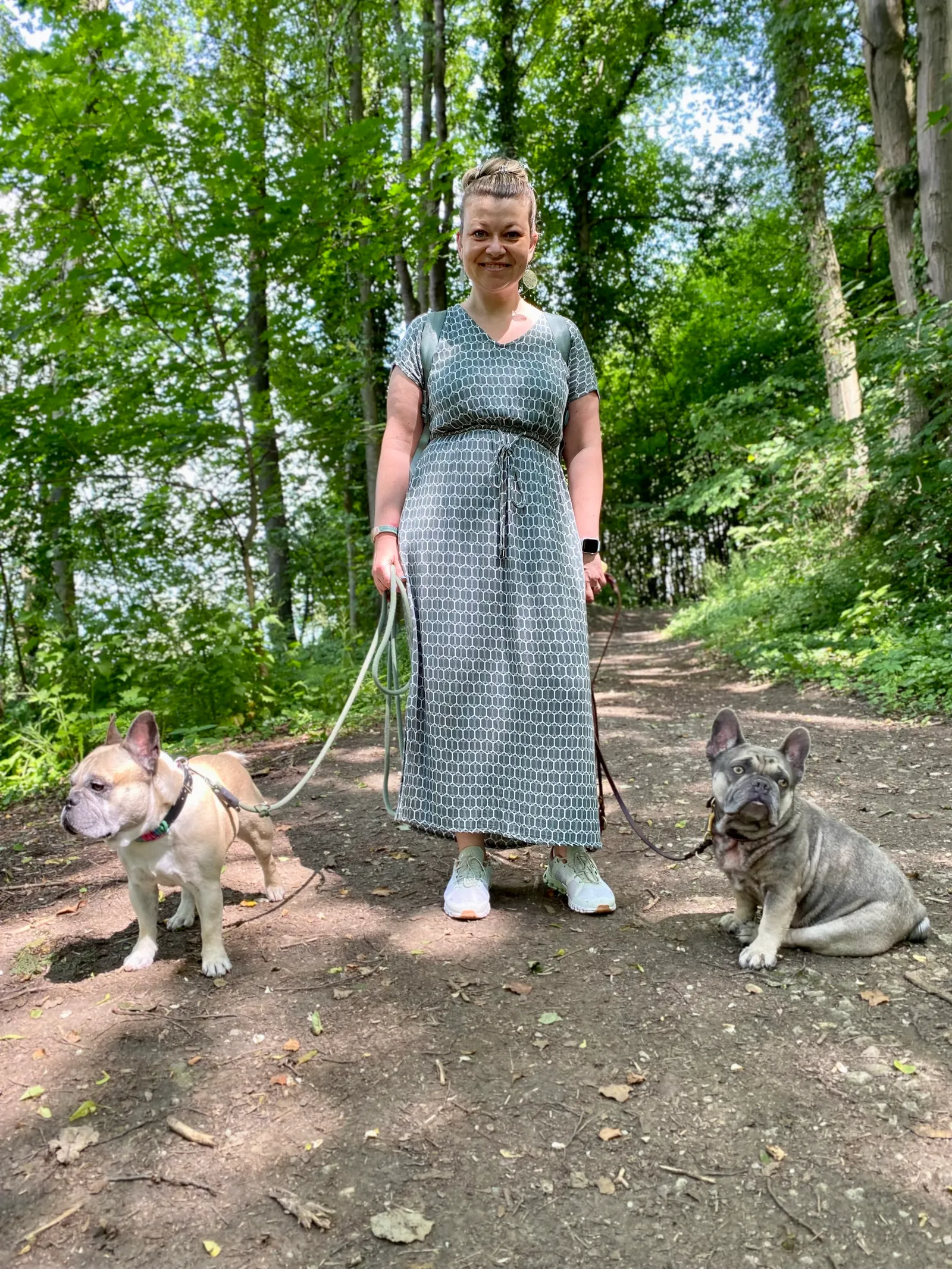
Passing a few of Wolfsberg's charming villas and family homes, the trail headed back into the forest, where we also came across a little stream – perfect for cooling off for Murphy and Archie.
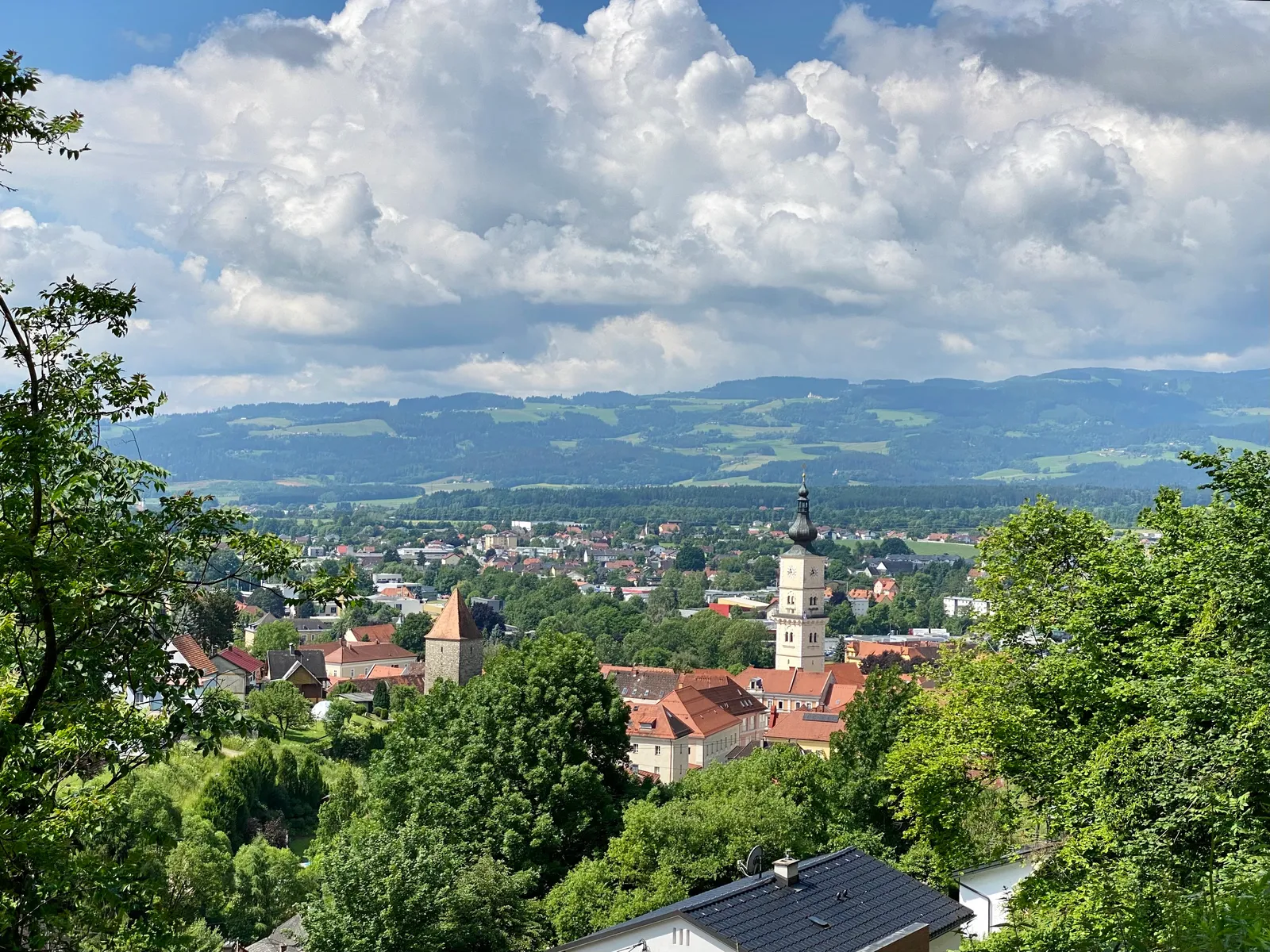
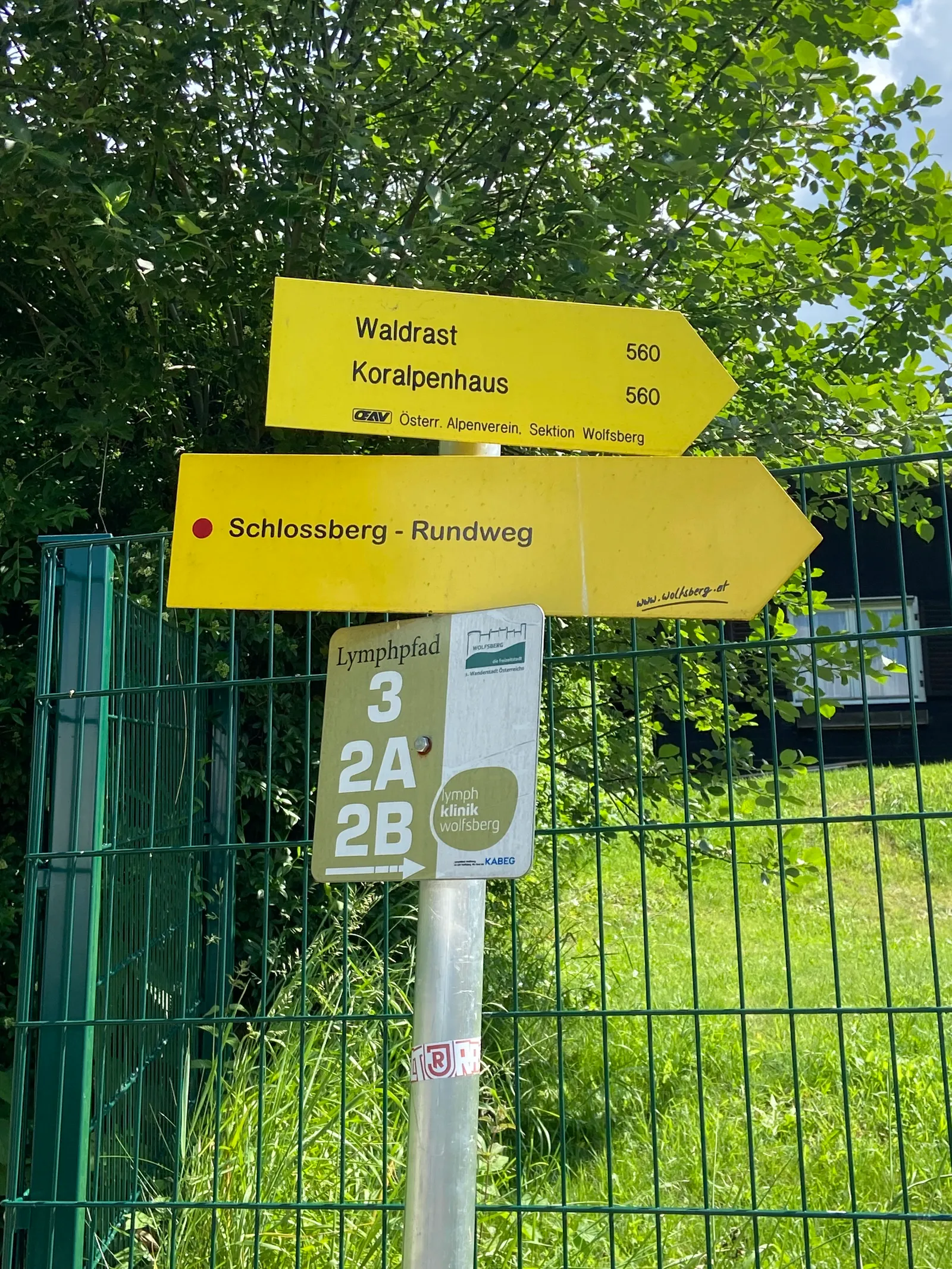
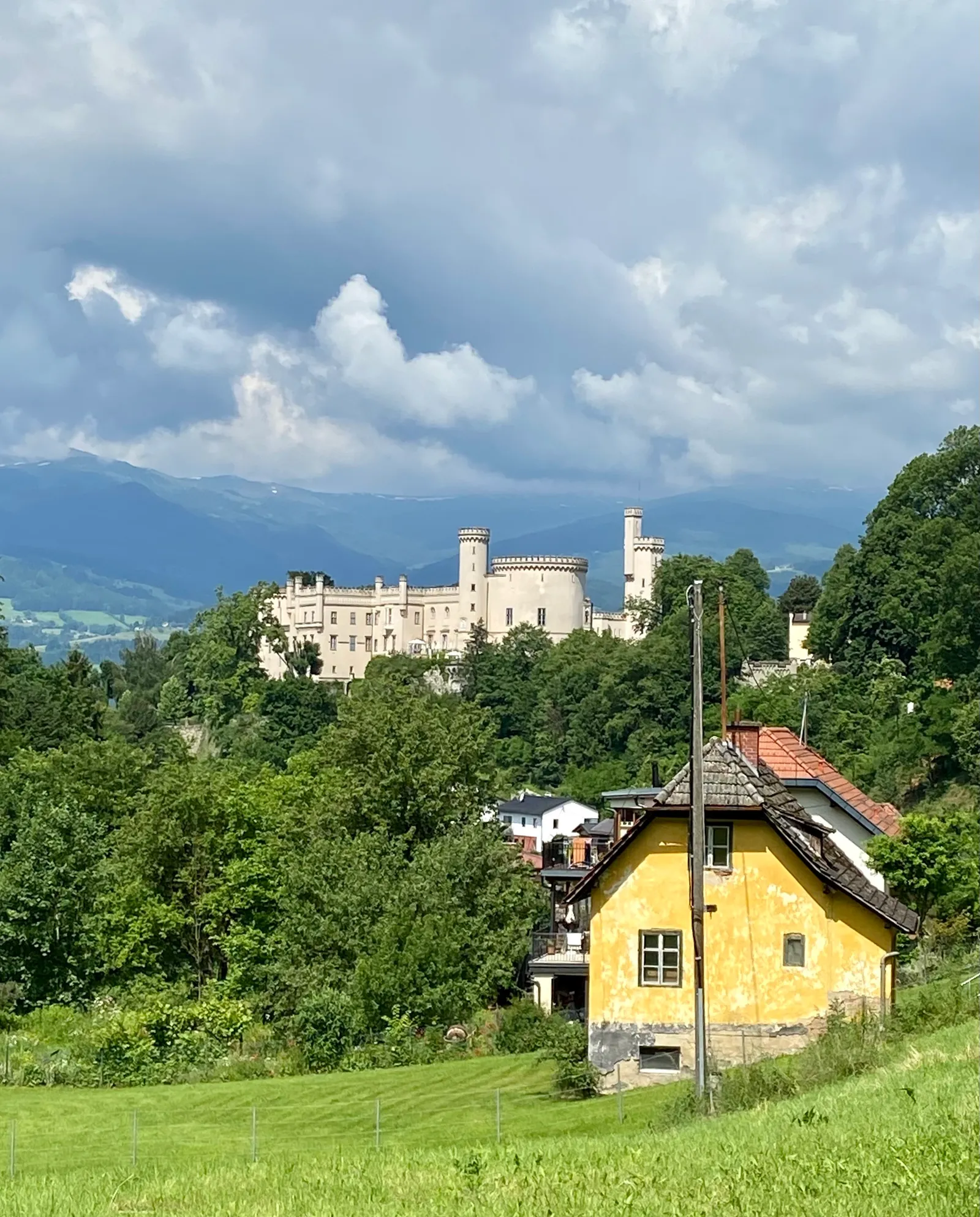
Trail Data
- Pace: leisurely
- Stated walking time: 1:15 hours
- Our time: 1:15 hours
- Distance: 2.7 km
- Ascent: 118 m
- Descent: 118 m
- Highest point: 577 m
- Lowest point: 459 m
Dog Facts
- The walk follows mainly lovely forest paths with some asphalt sections.
- An easy hike with a very straightforward route.
- We found a little stream along the way where the dogs could cool off.
- On that day we barely encountered any walkers, hikers or other dog owners. The few we did meet were all very relaxed and considerate.
Summary: Wolfsberg and Schloss Wolfsberg
Wolfsberg offers a wonderful combination of historic charm and natural beauty. We had a great time with both our culinary and our cultural experience.
St. Andrä in Kärnten
The Forbidden Gardens
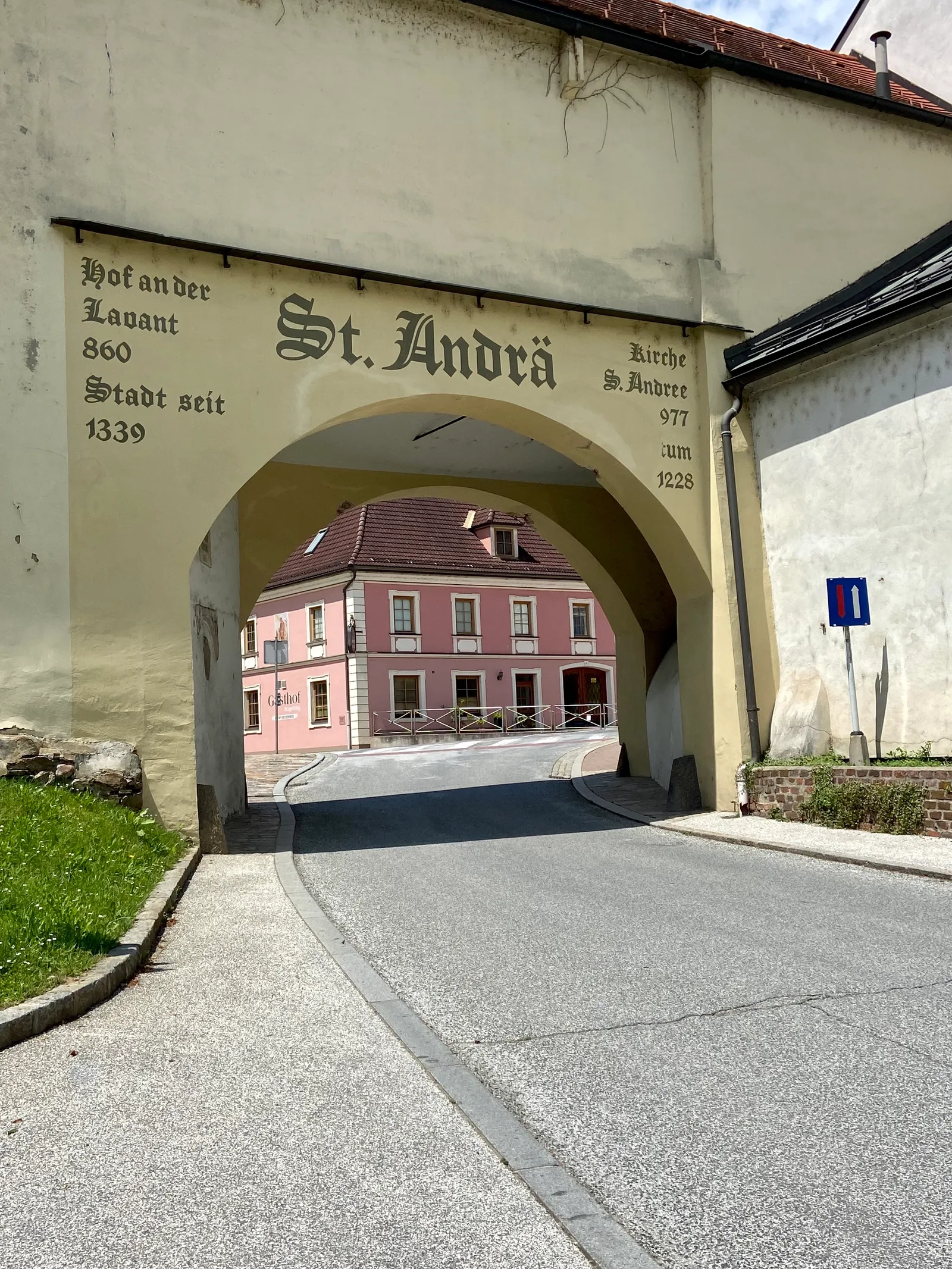
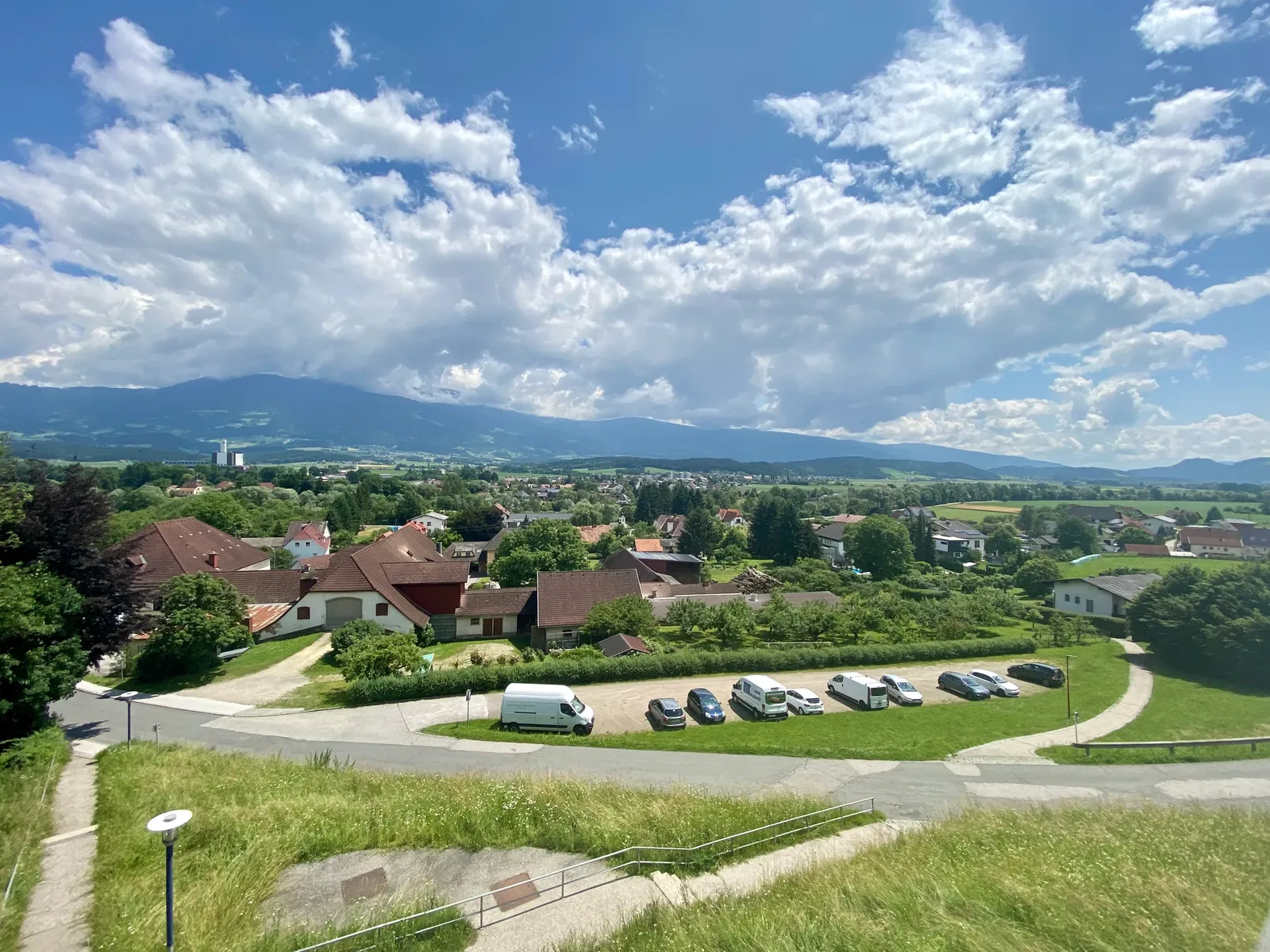
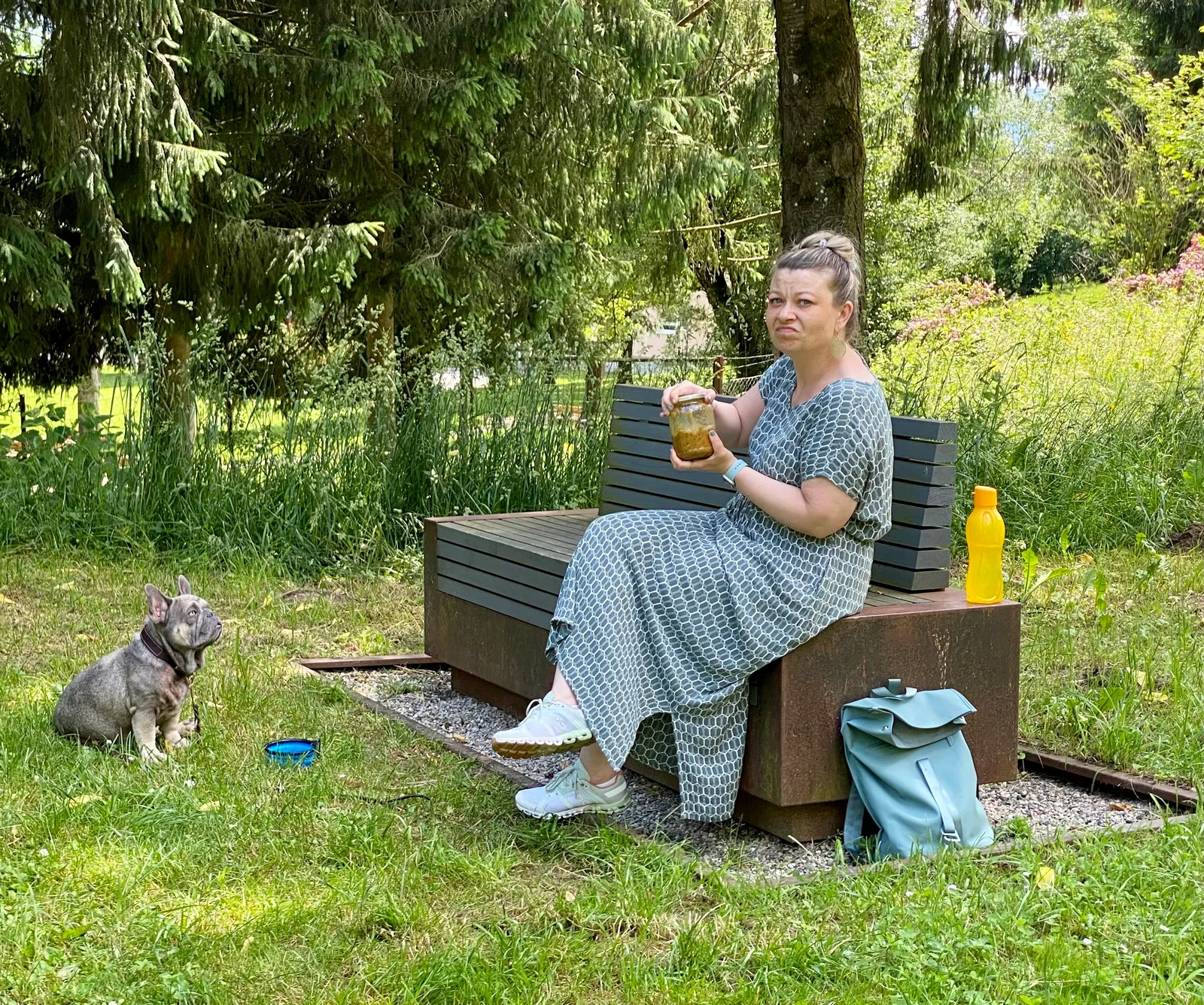
From Wolfsberg, armed with our lunch from Seelenfutter (see above), we made our way to Sankt Andrä, roughly 9 km away.
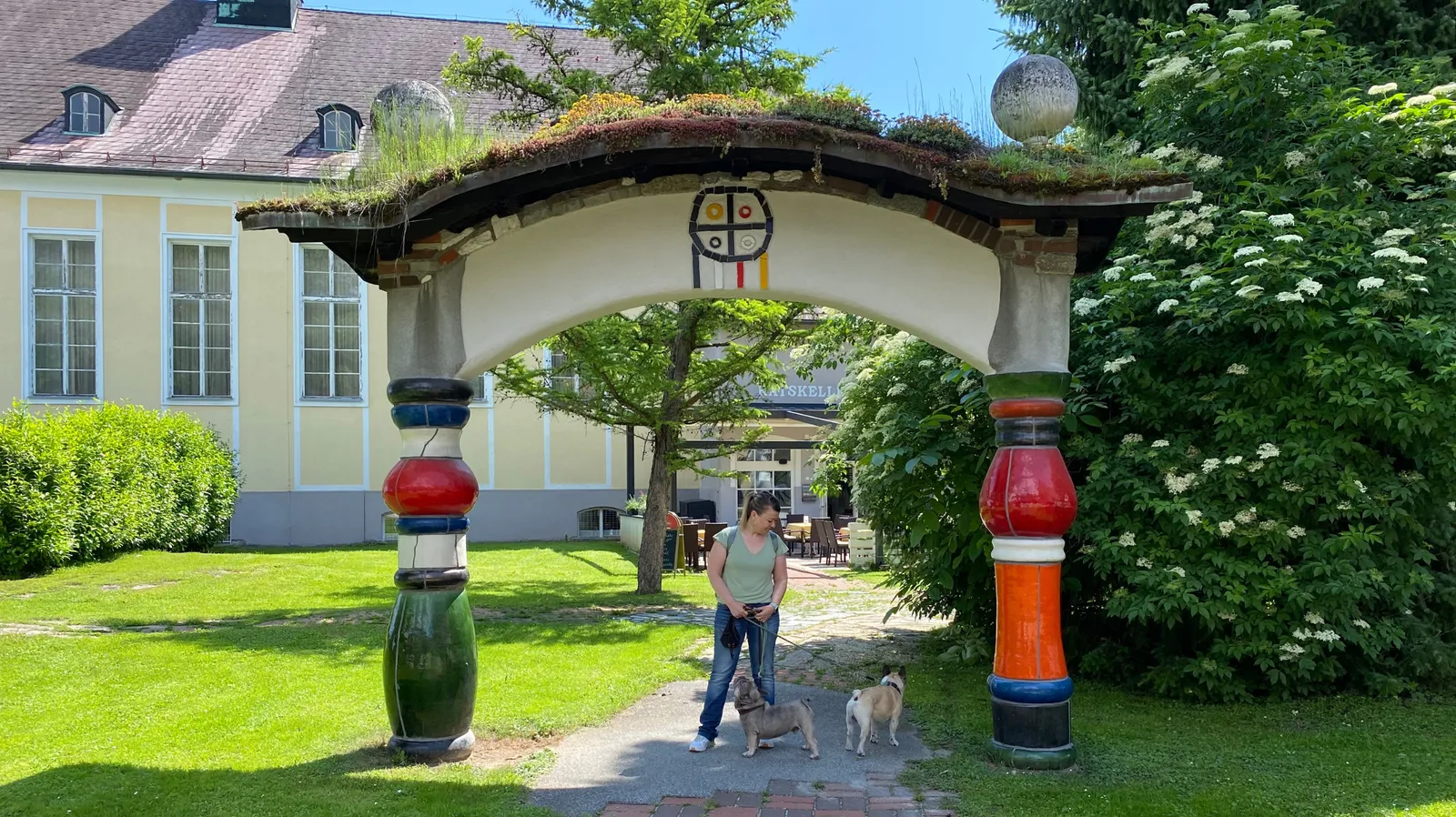
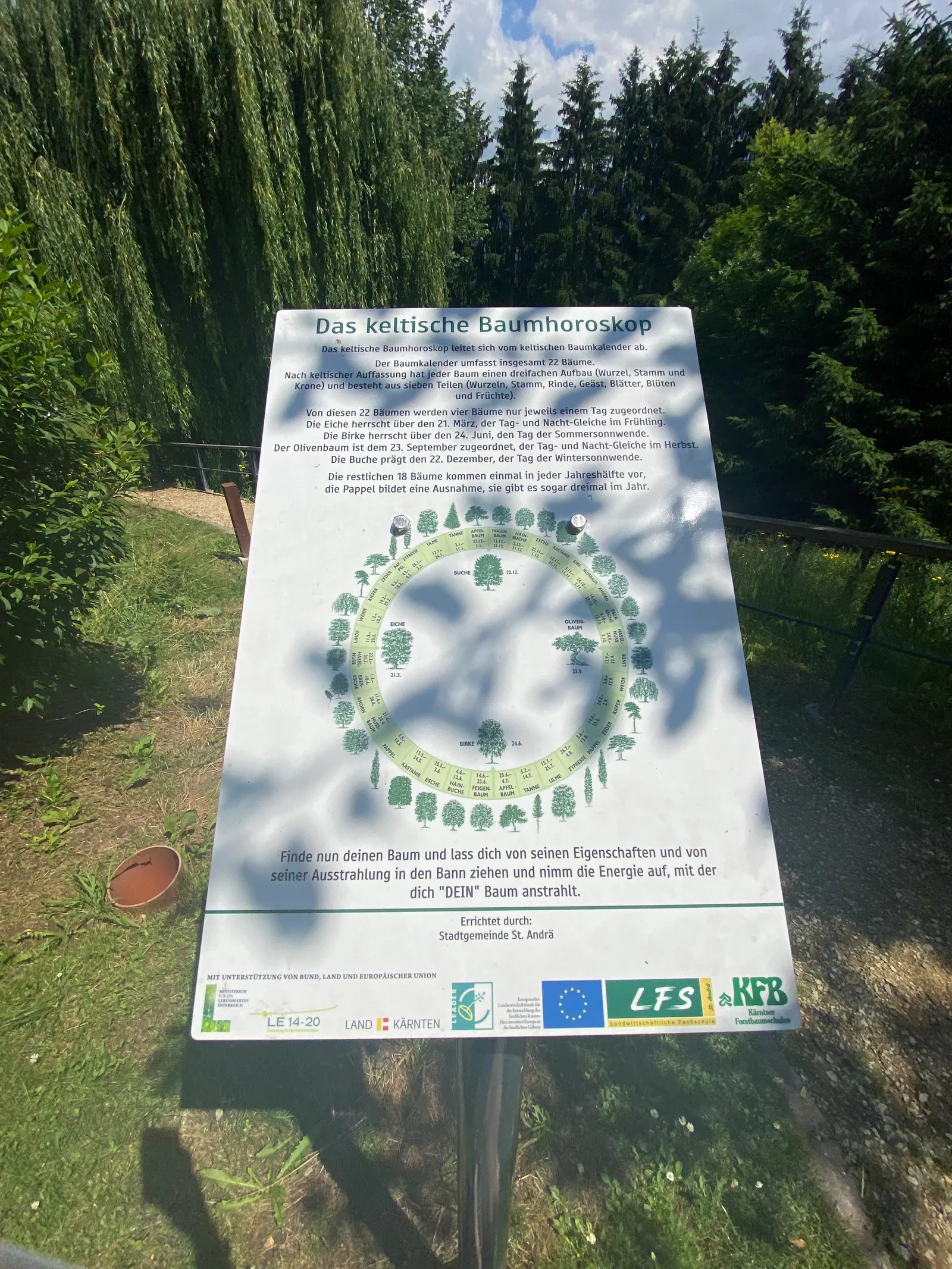
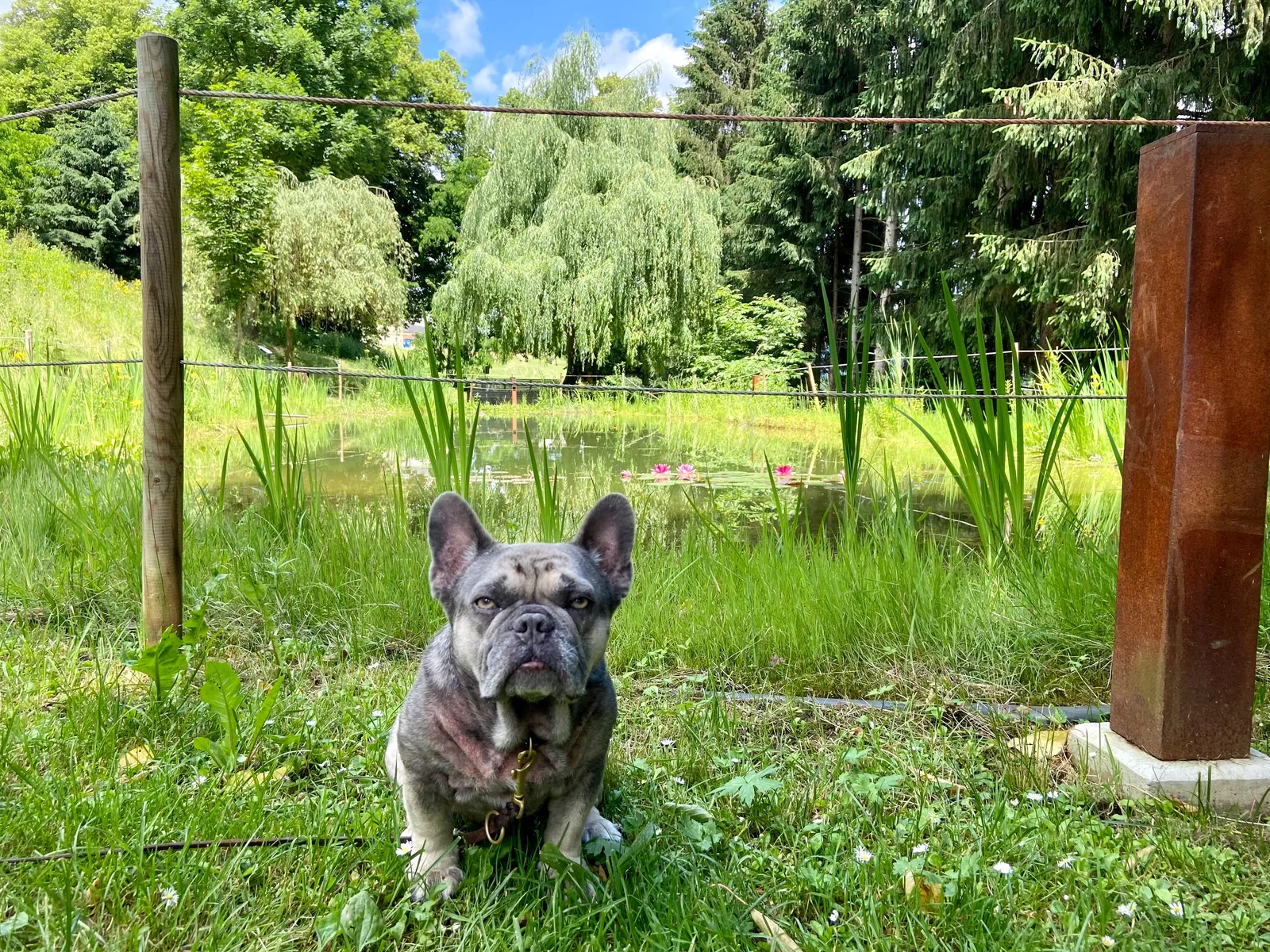
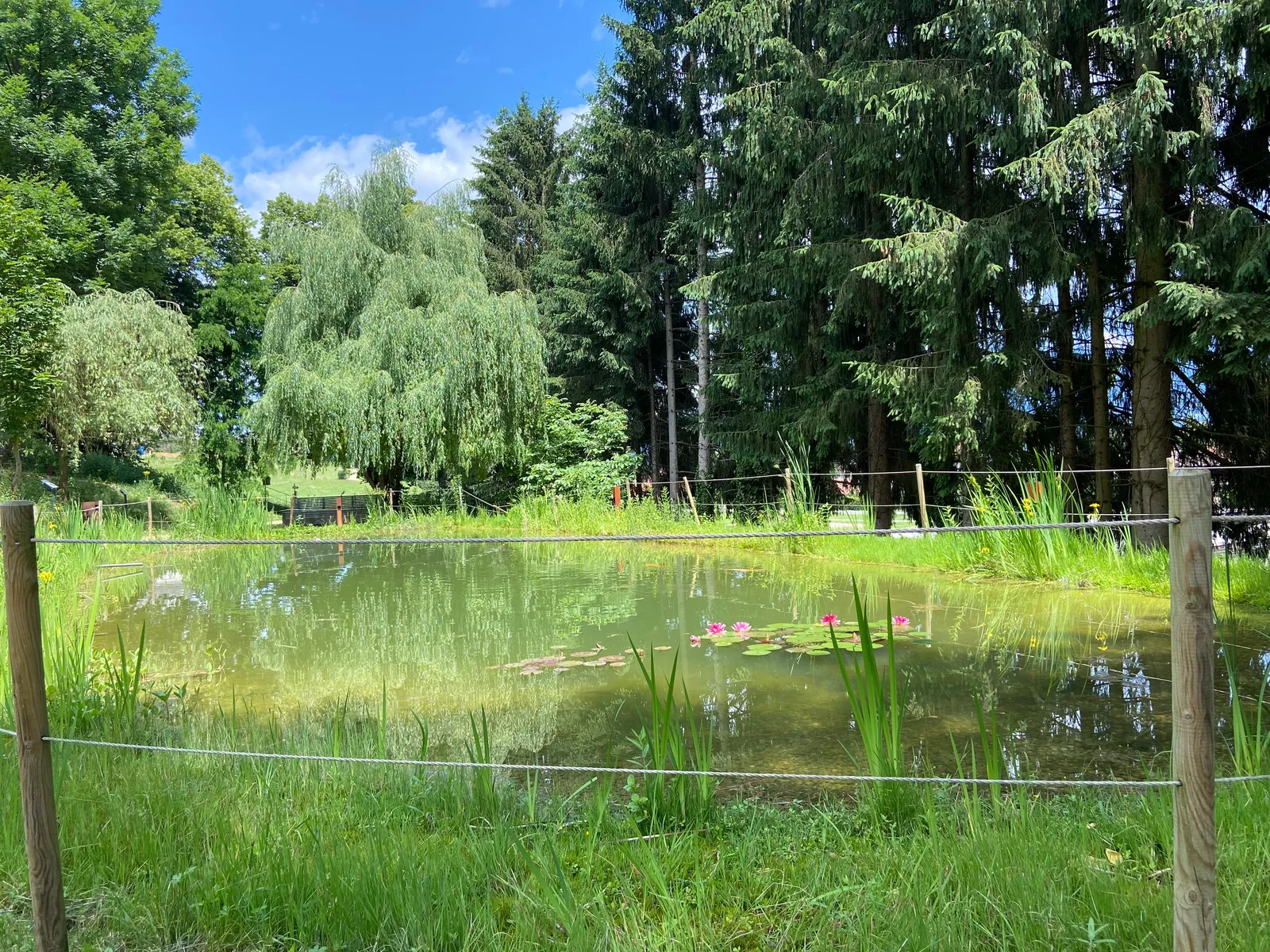
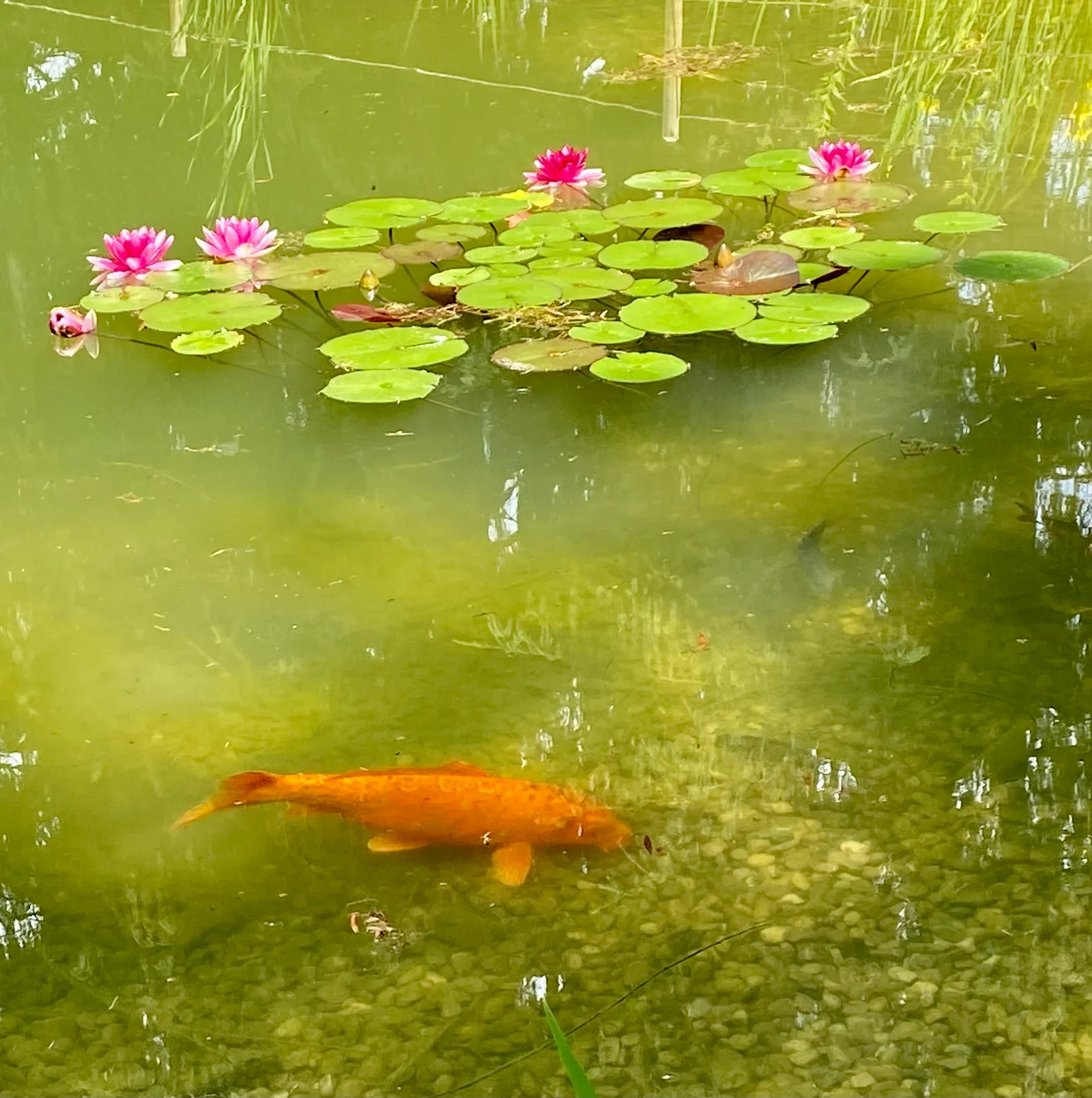
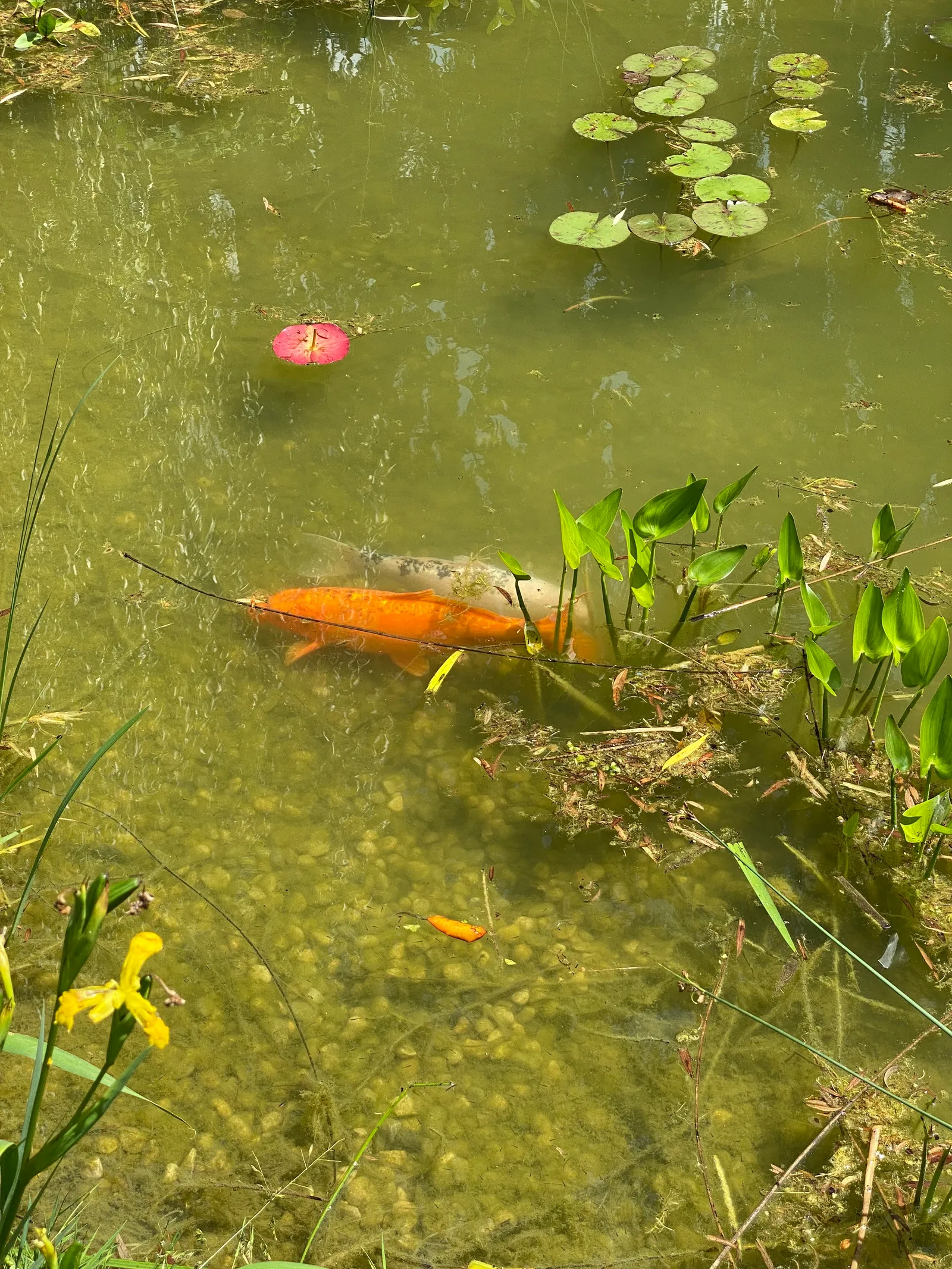
My favourite person had discovered the "Verbotenen Gärten von St. Andrä" – the Forbidden Gardens of St. Andrä – in this charming little town, where we spent our lunch break exploring the Celtic tree horoscope and a delightful pond with some enormous koi carp.
Basilika Maria Loreto and the Cathedral
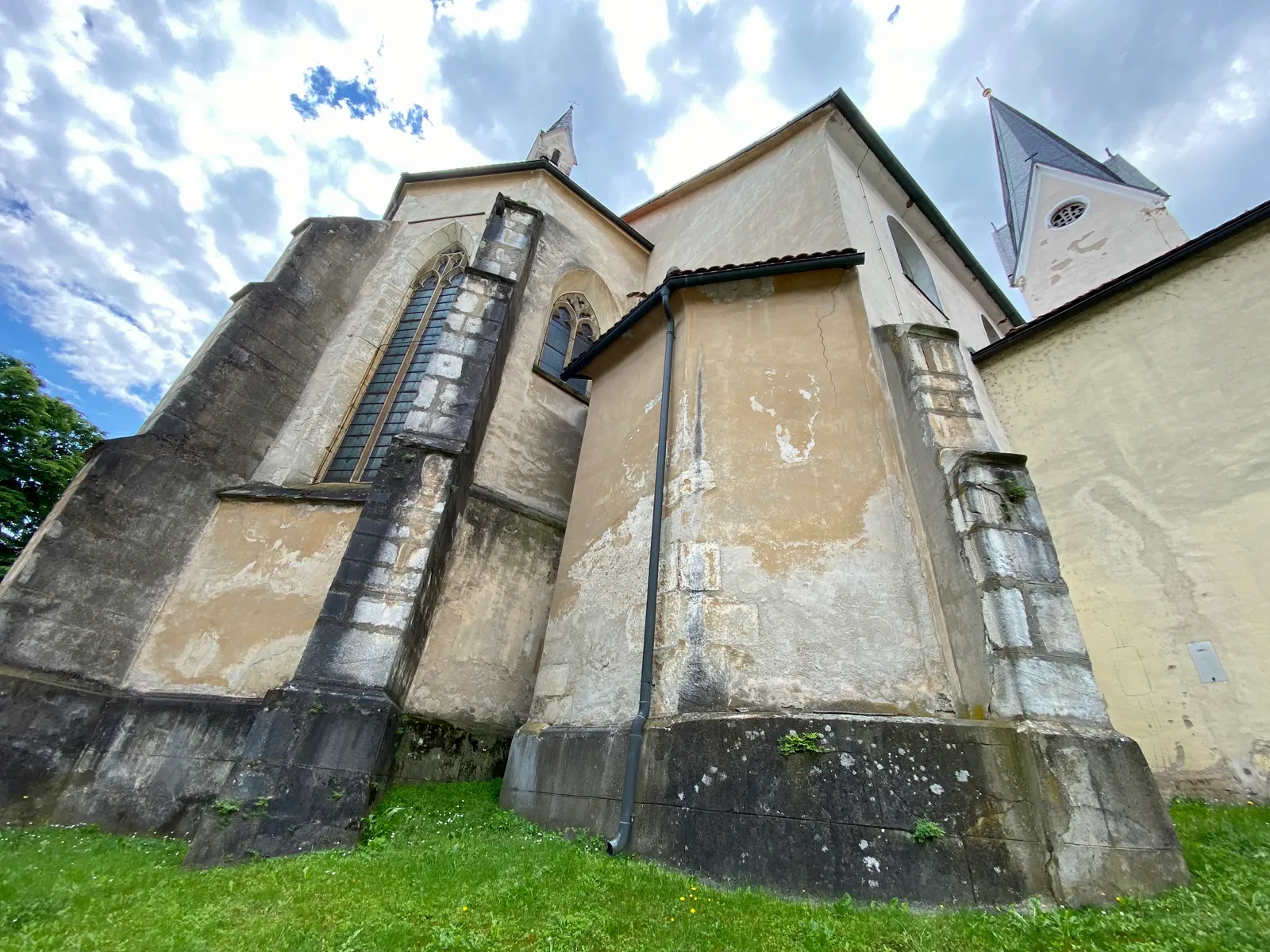
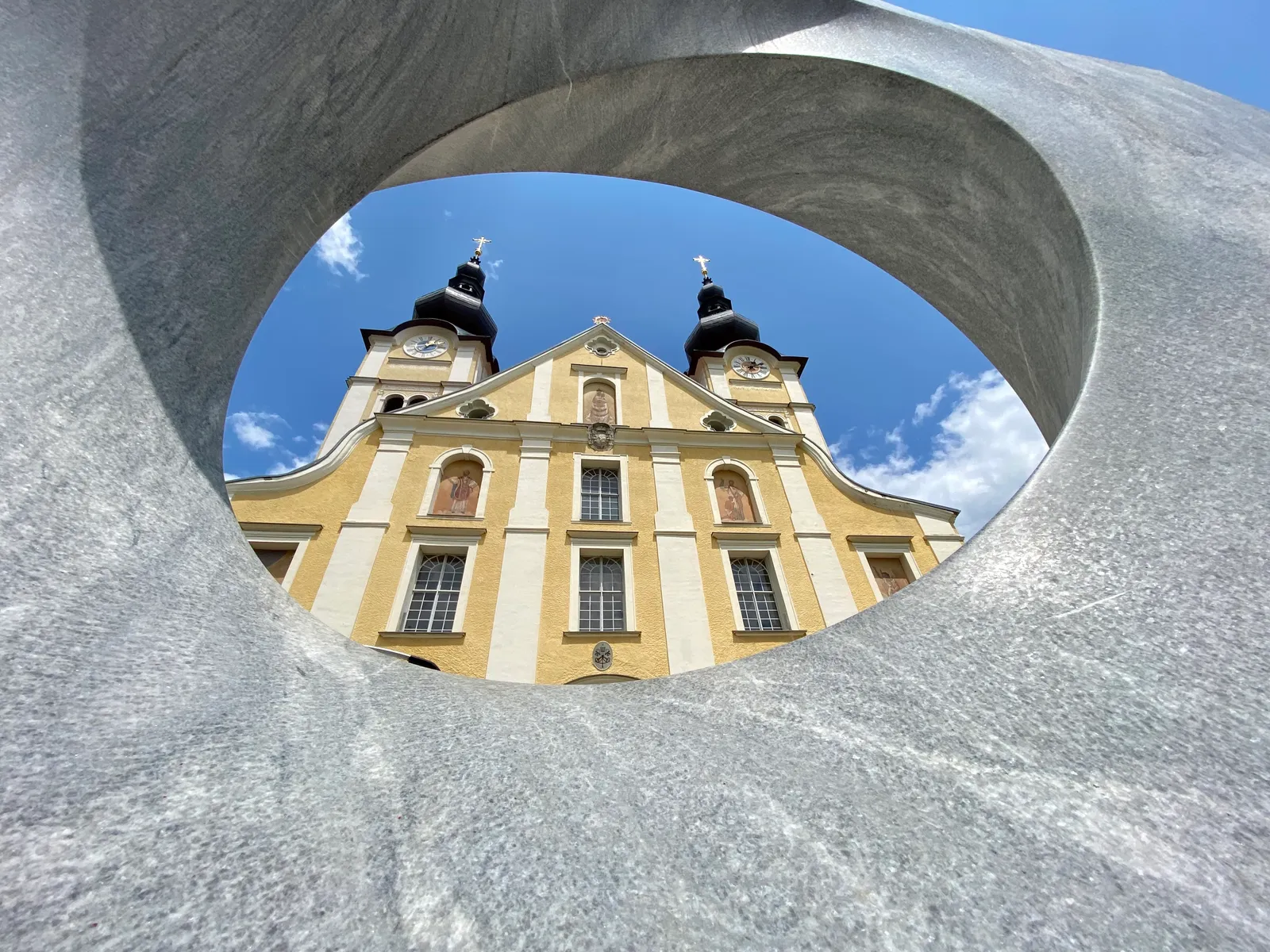
Refreshed, all four of us then stroll over to the Basilika Maria Loreto. This Baroque Roman Catholic pilgrimage church was built between 1683 and 1686 and stands under the patronage of the Apostles Peter and Paul.
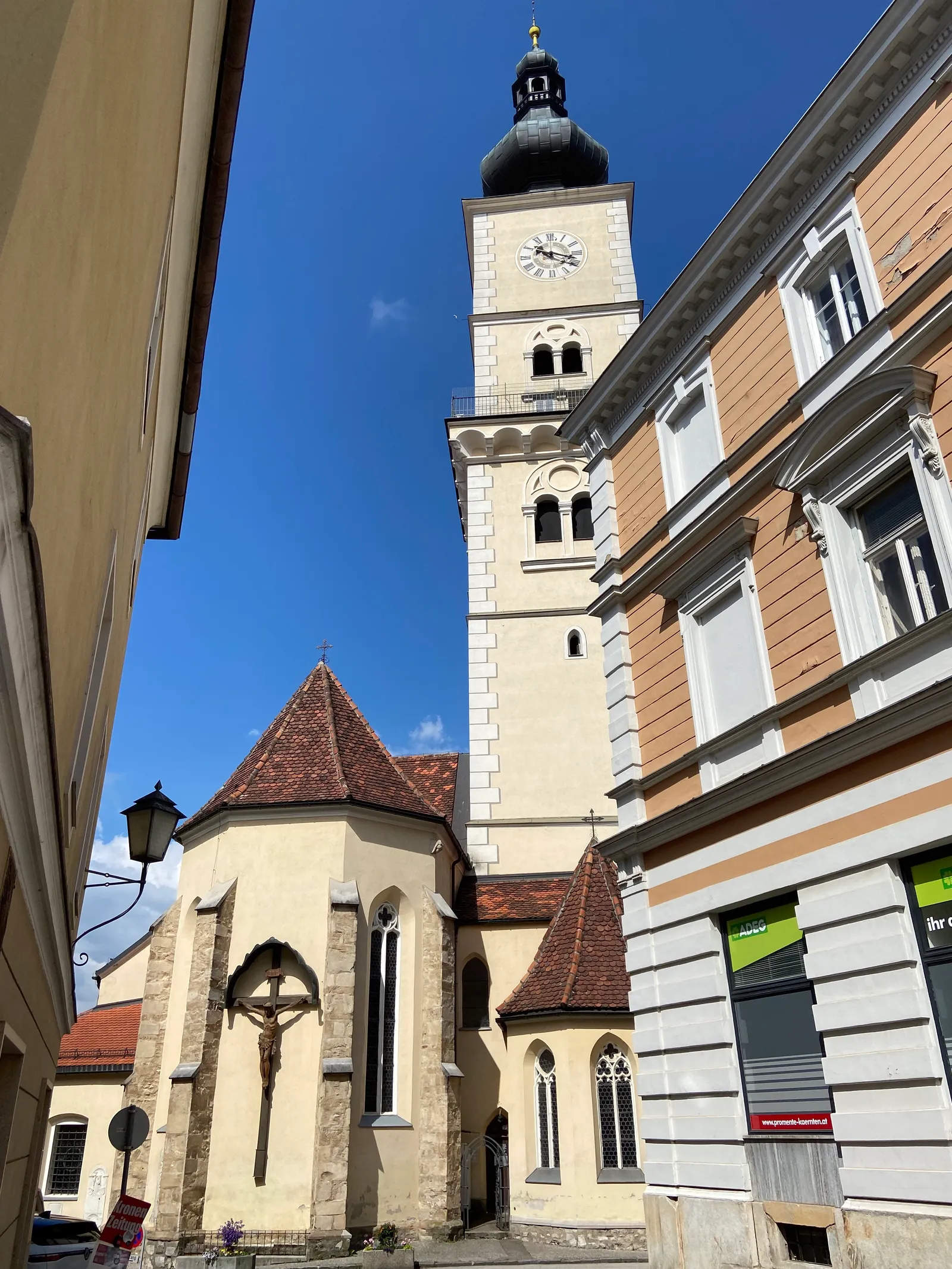
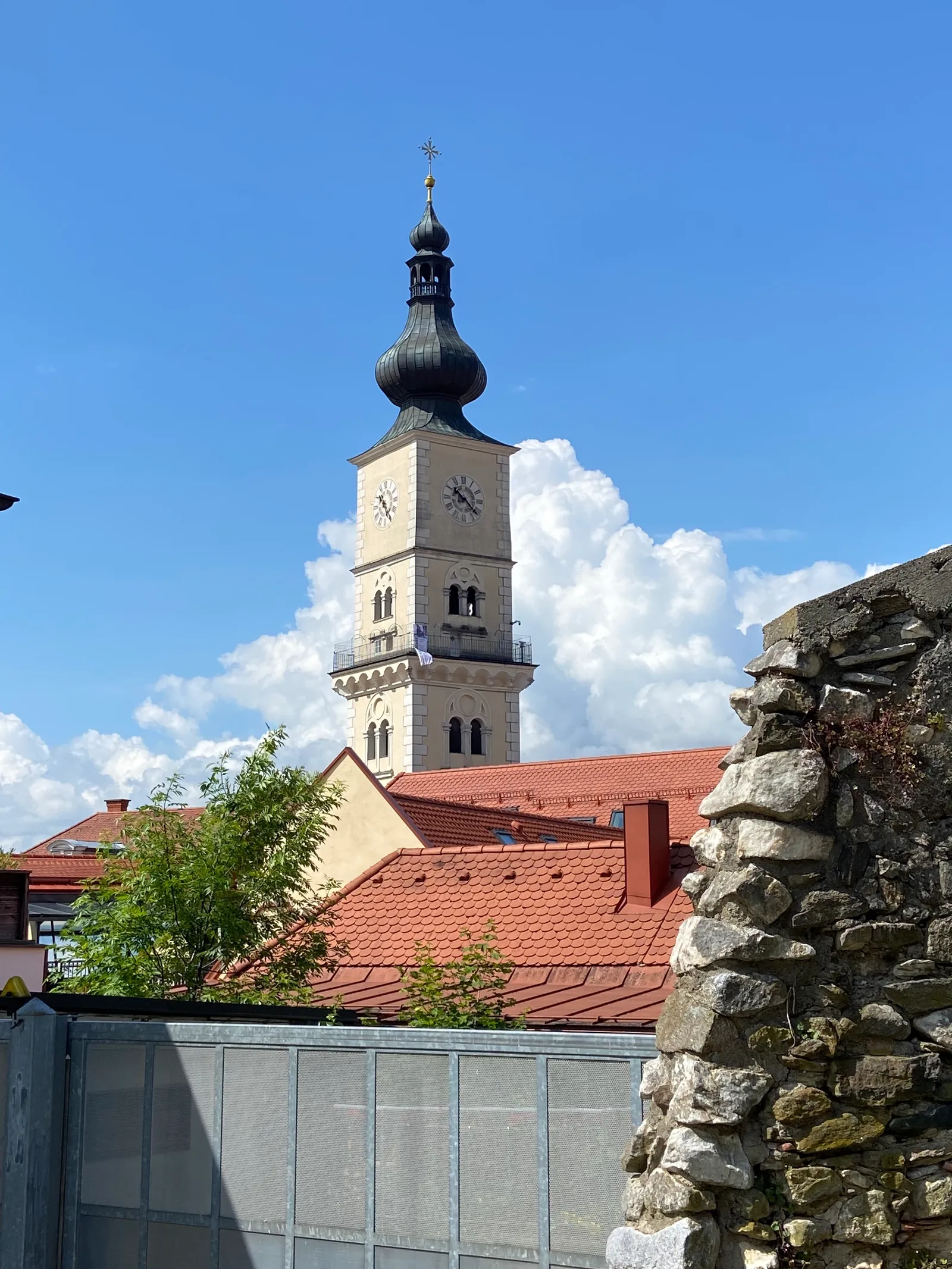
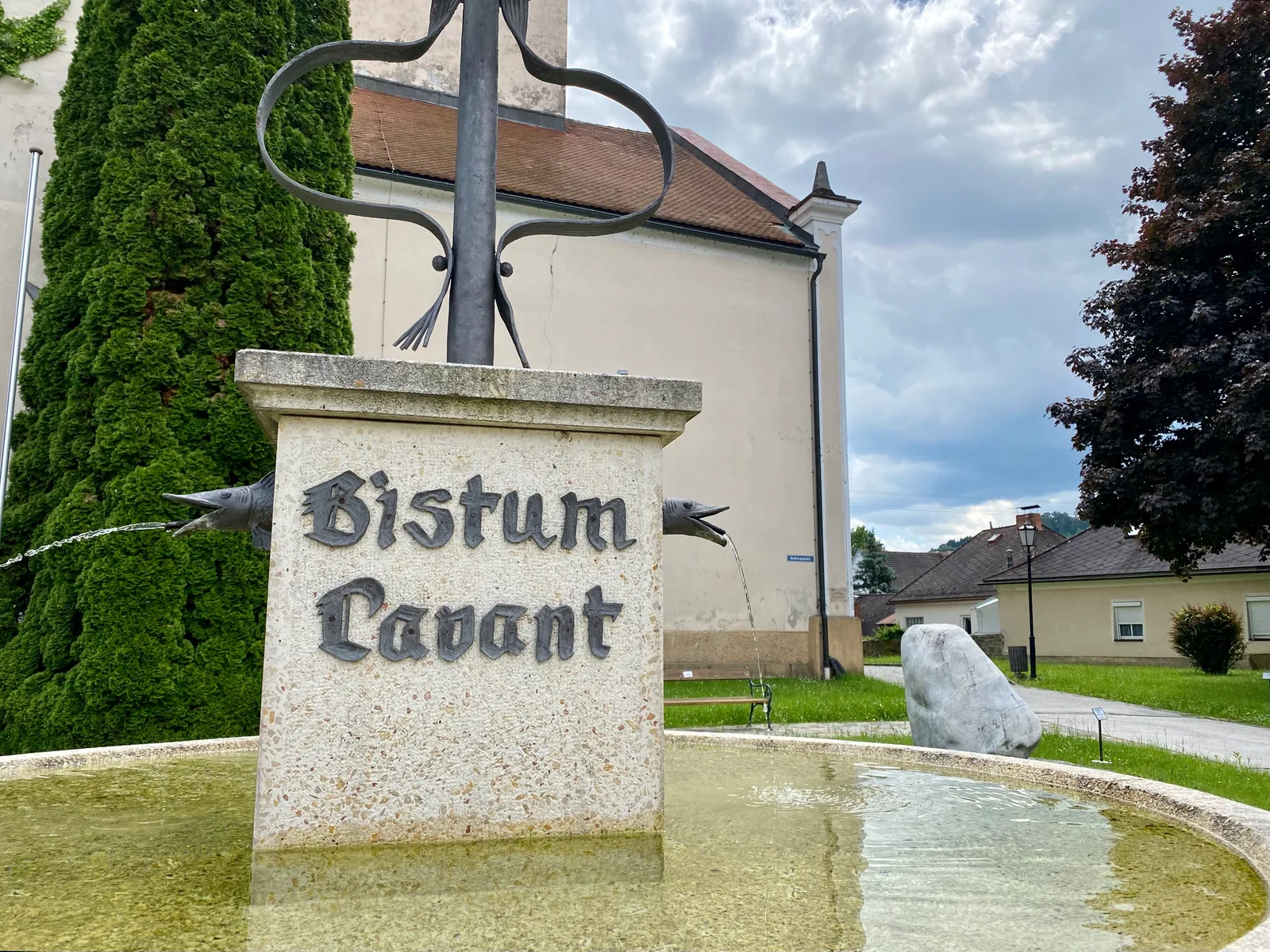
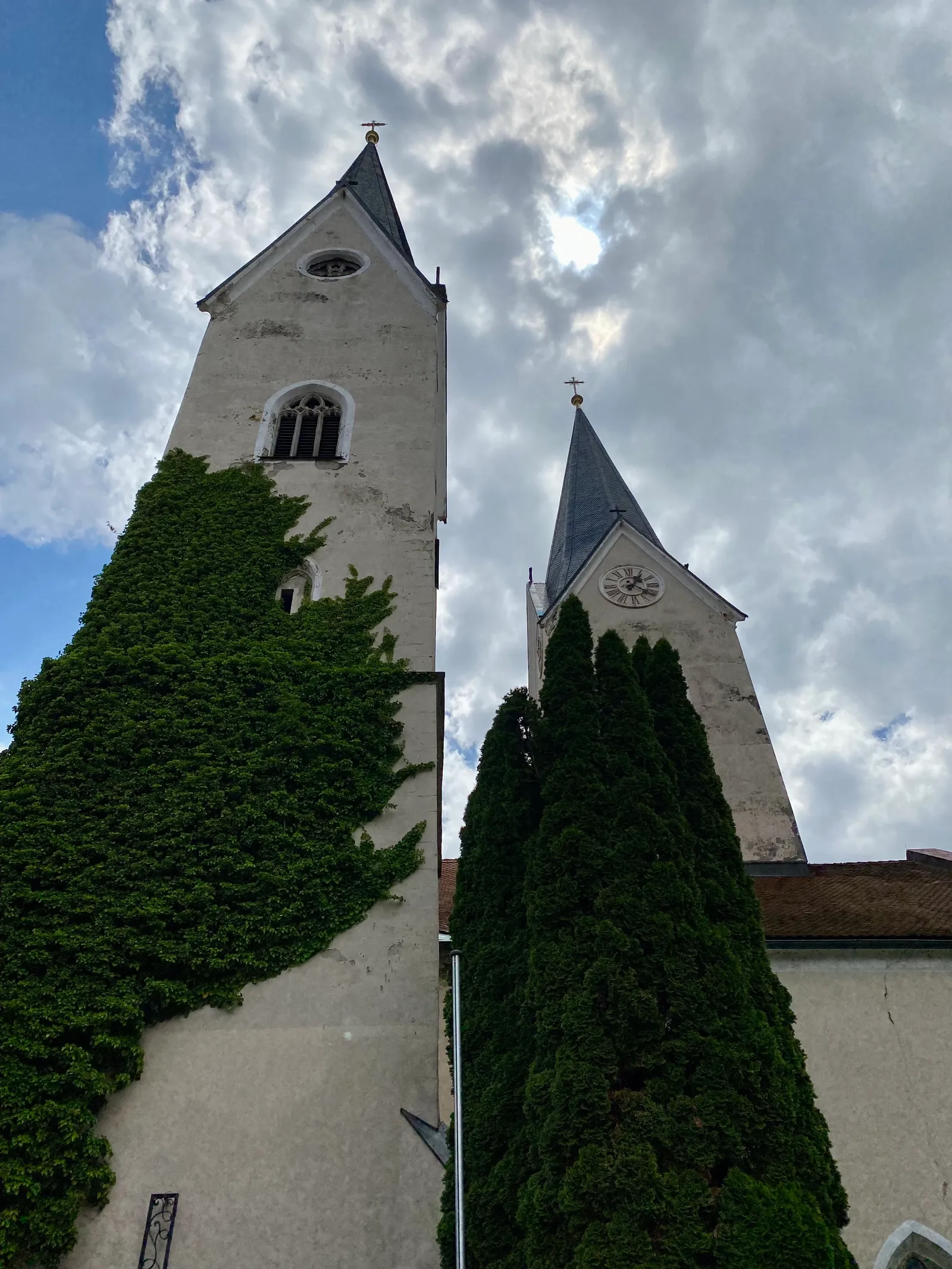
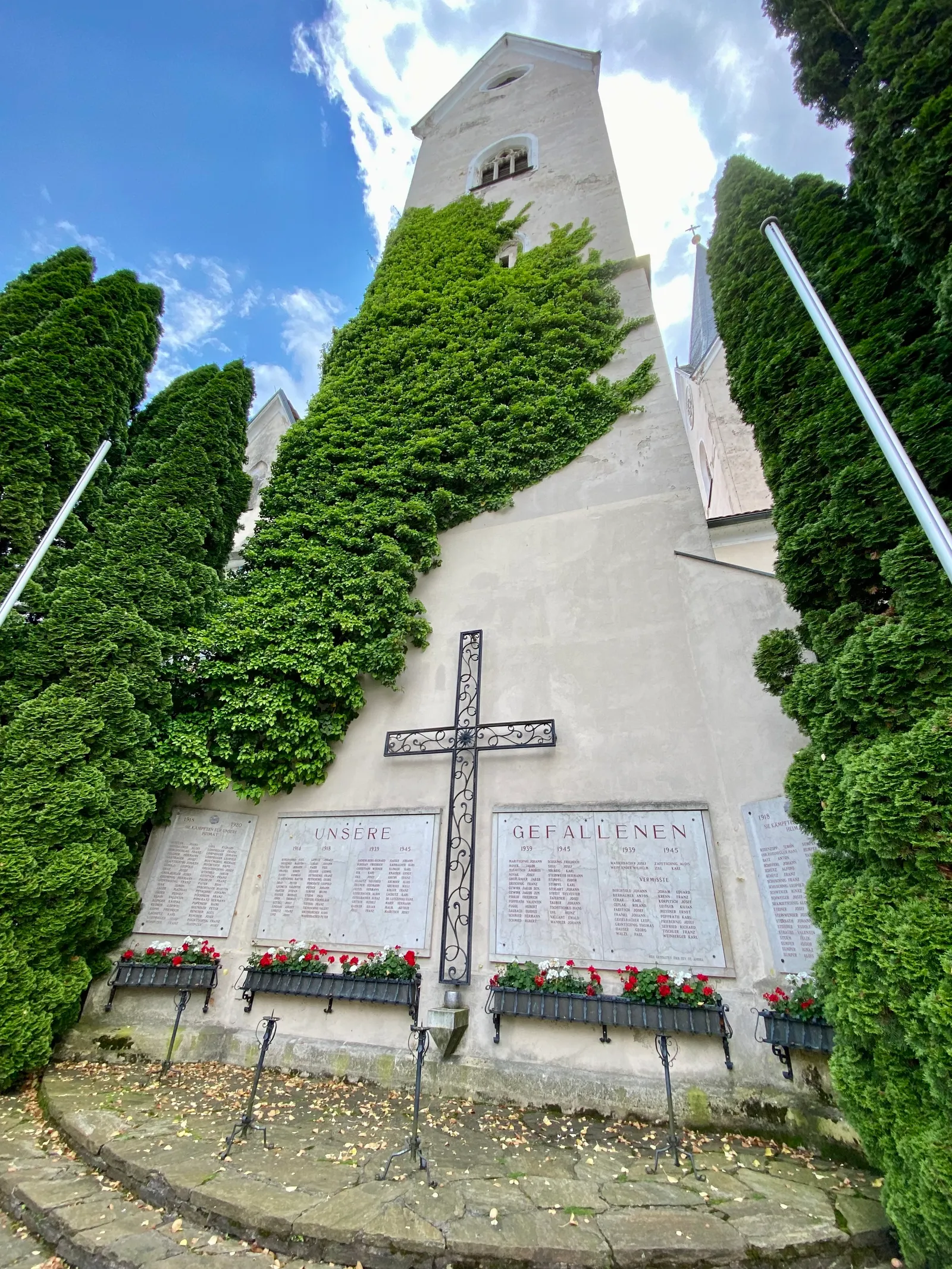
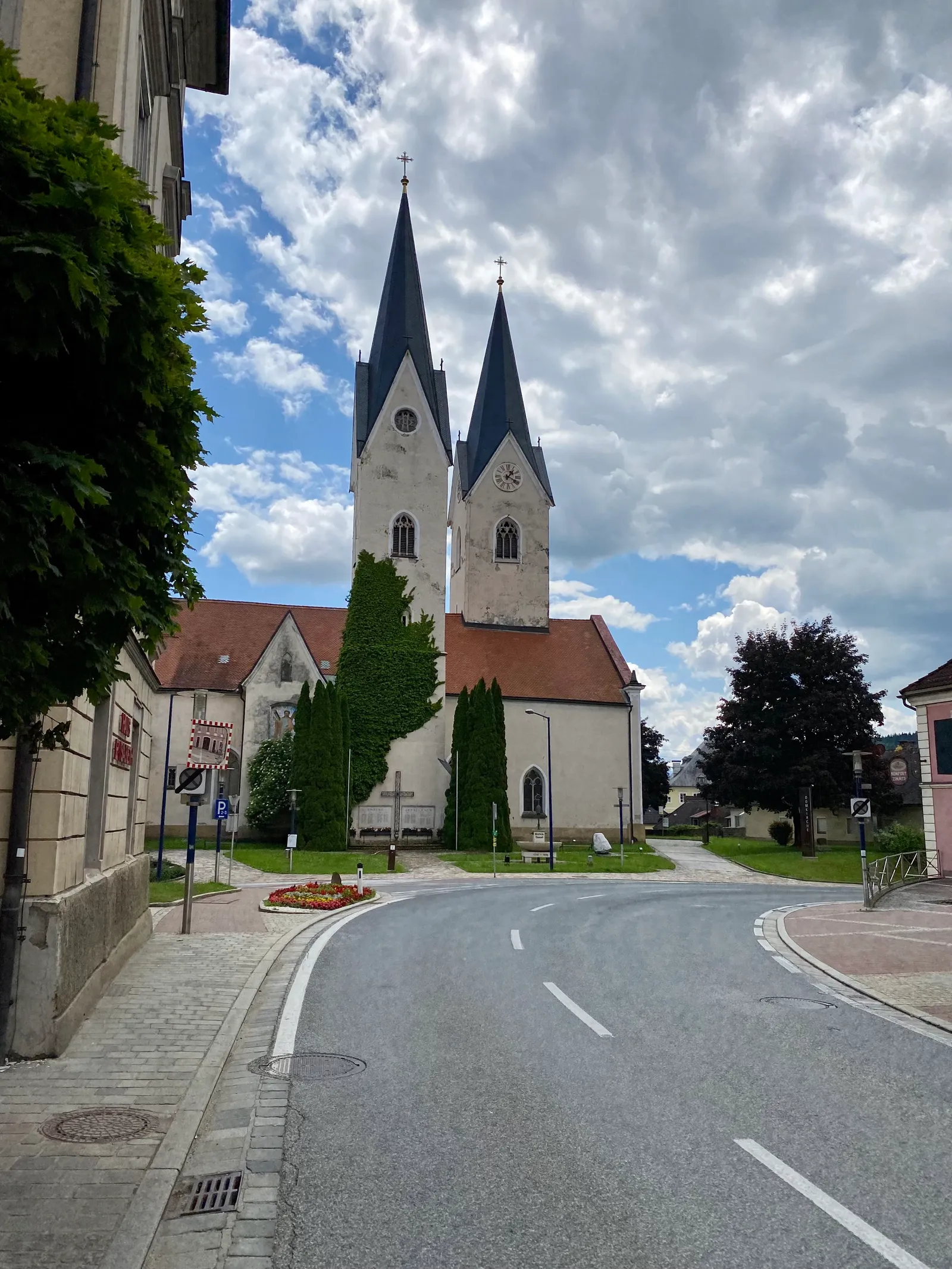
We head back to the car along the main road, passing by the Cathedral of St. Andrä im Lavanttal on our way. The town parish church is a three-aisled Gothic basilica dating from the 14th and 15th centuries.
The Piber Loop near Köflach
Breakfast at the Zuckermühle in Bärnbach
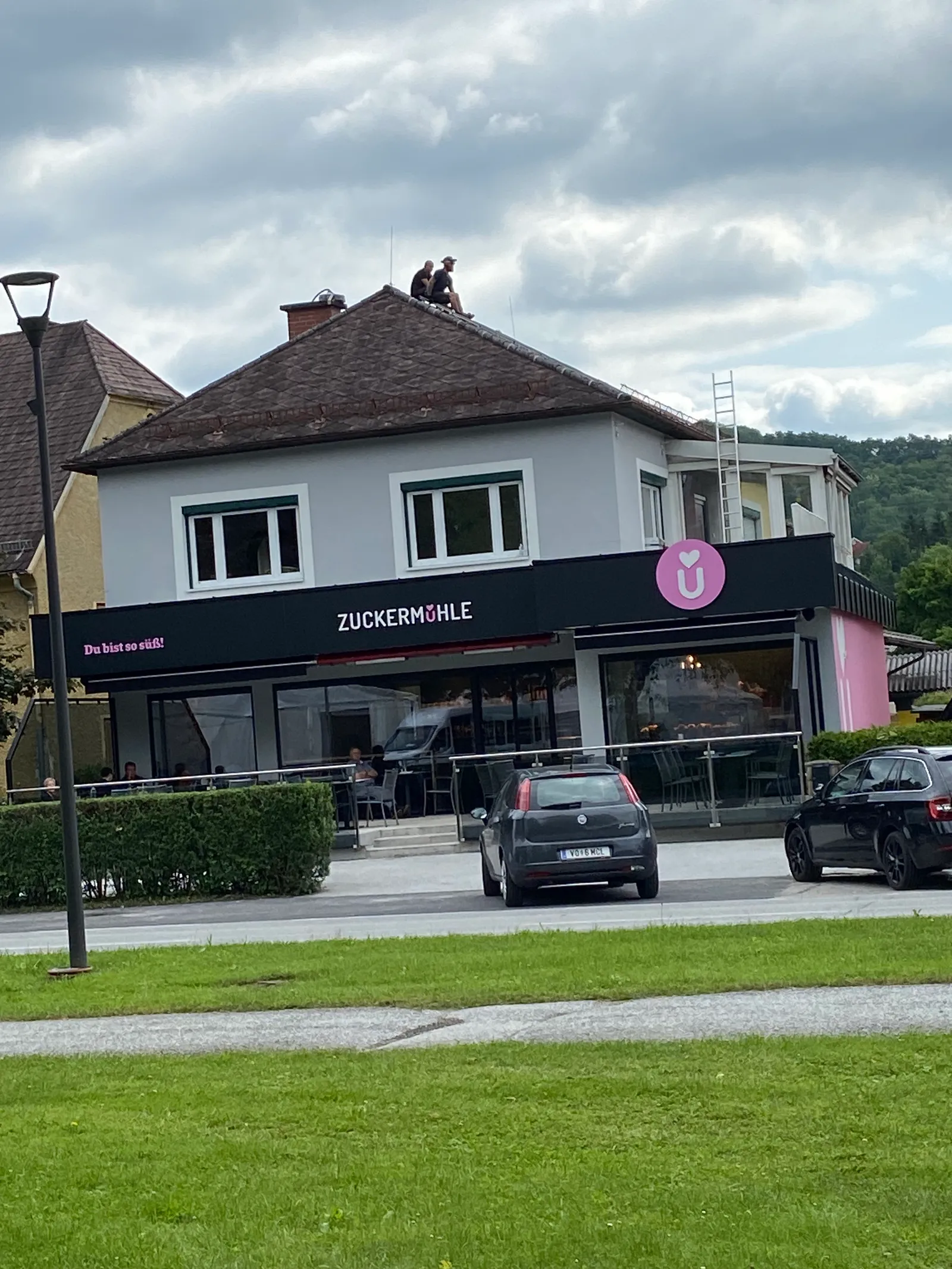
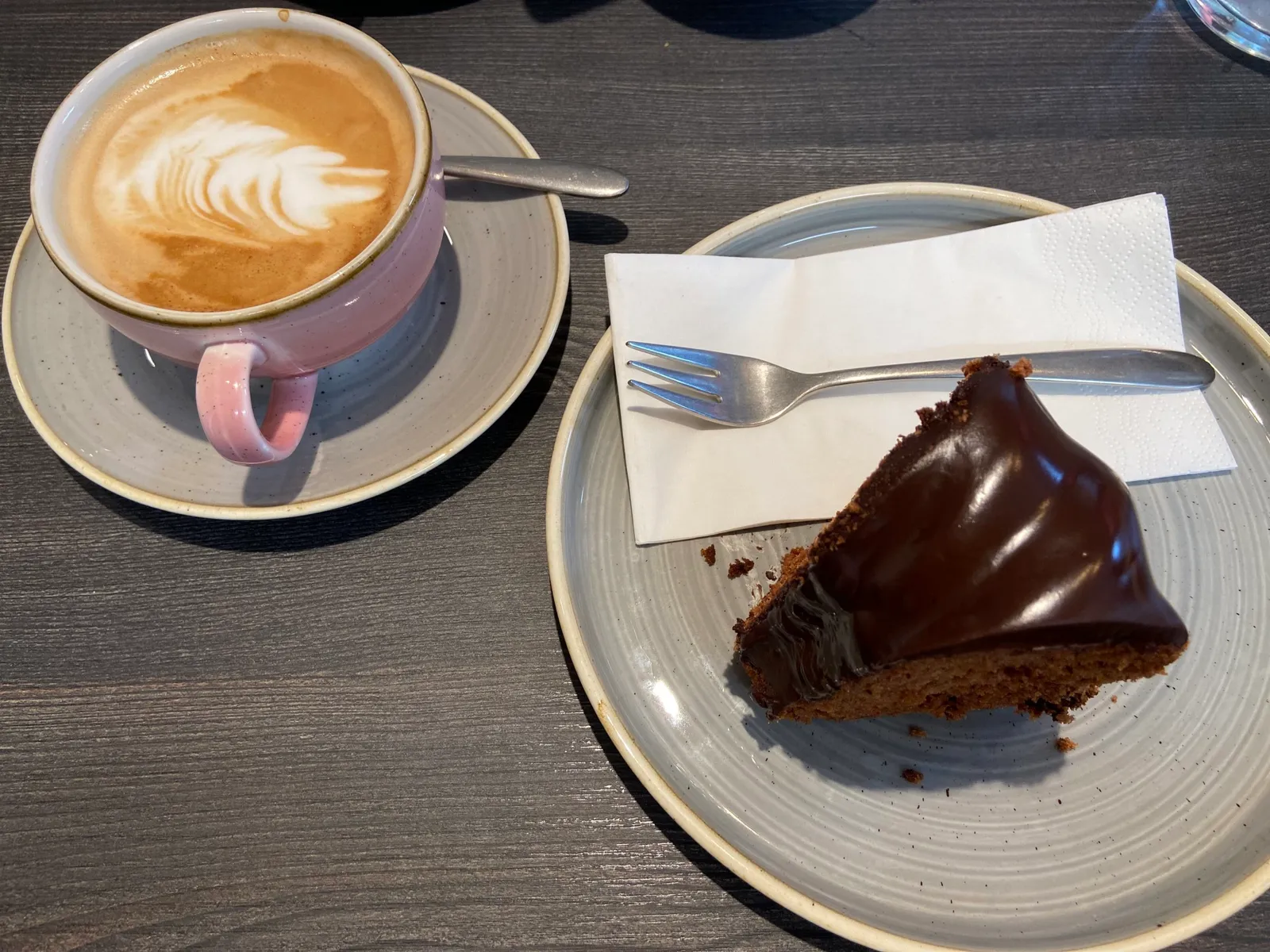
In the first part of our excursion series I already introduced you to Bärnbach and the Barbara Kirche. We had already treated ourselves to sweets from the Zuckermühle there. And on this day we followed it up with breakfast at the ever-popular bakery.

The Pluto Loop Trail
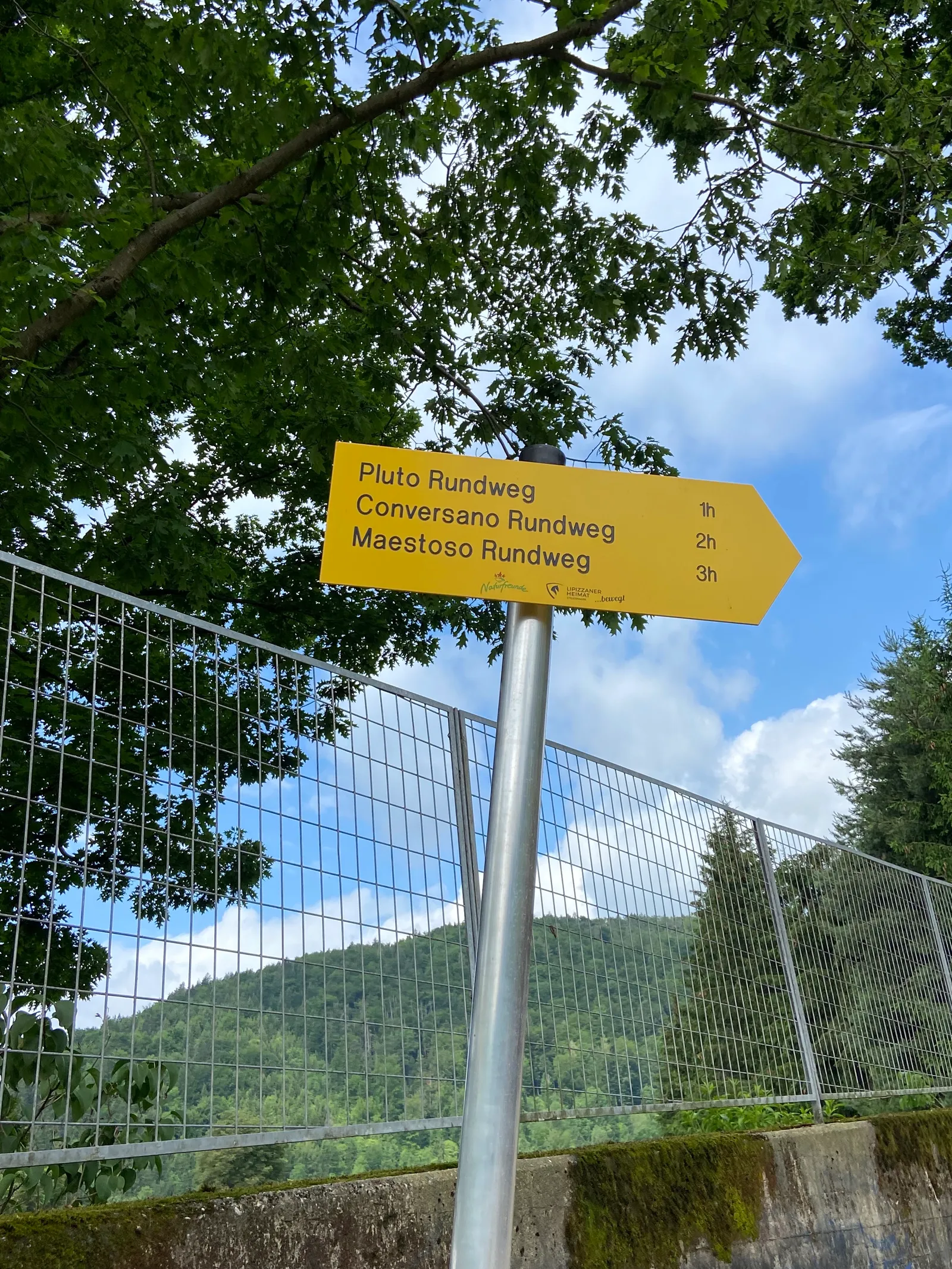
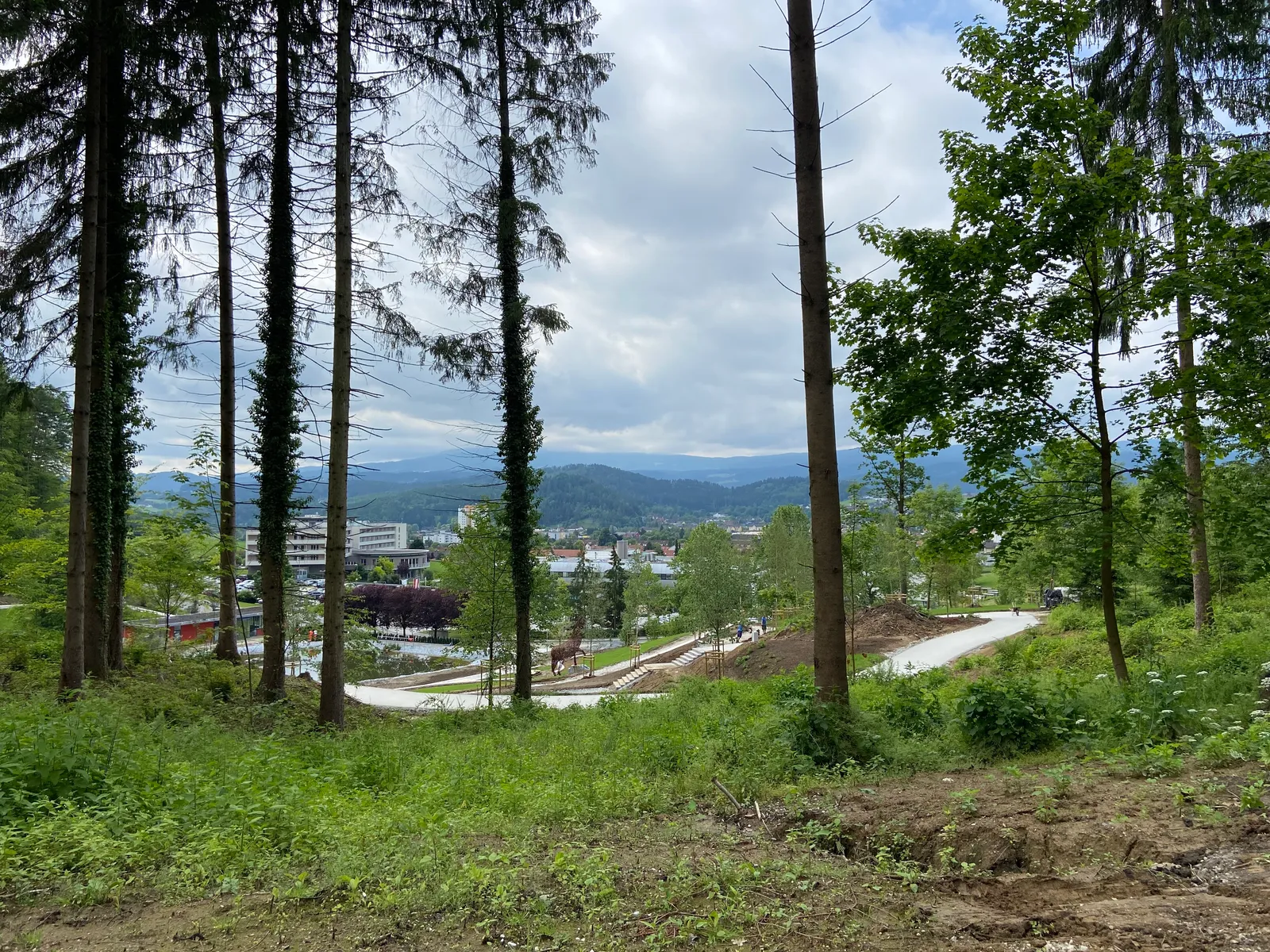
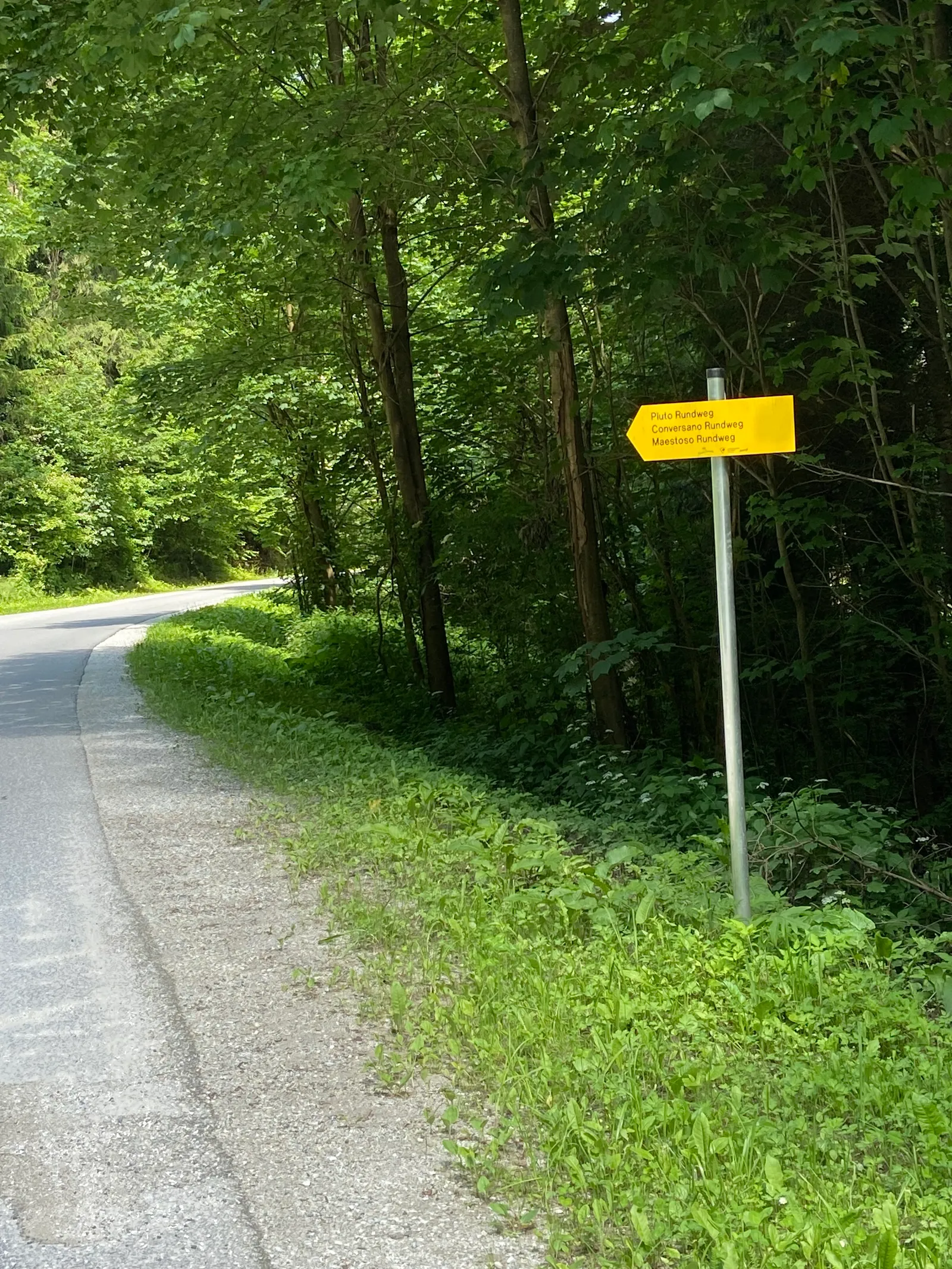
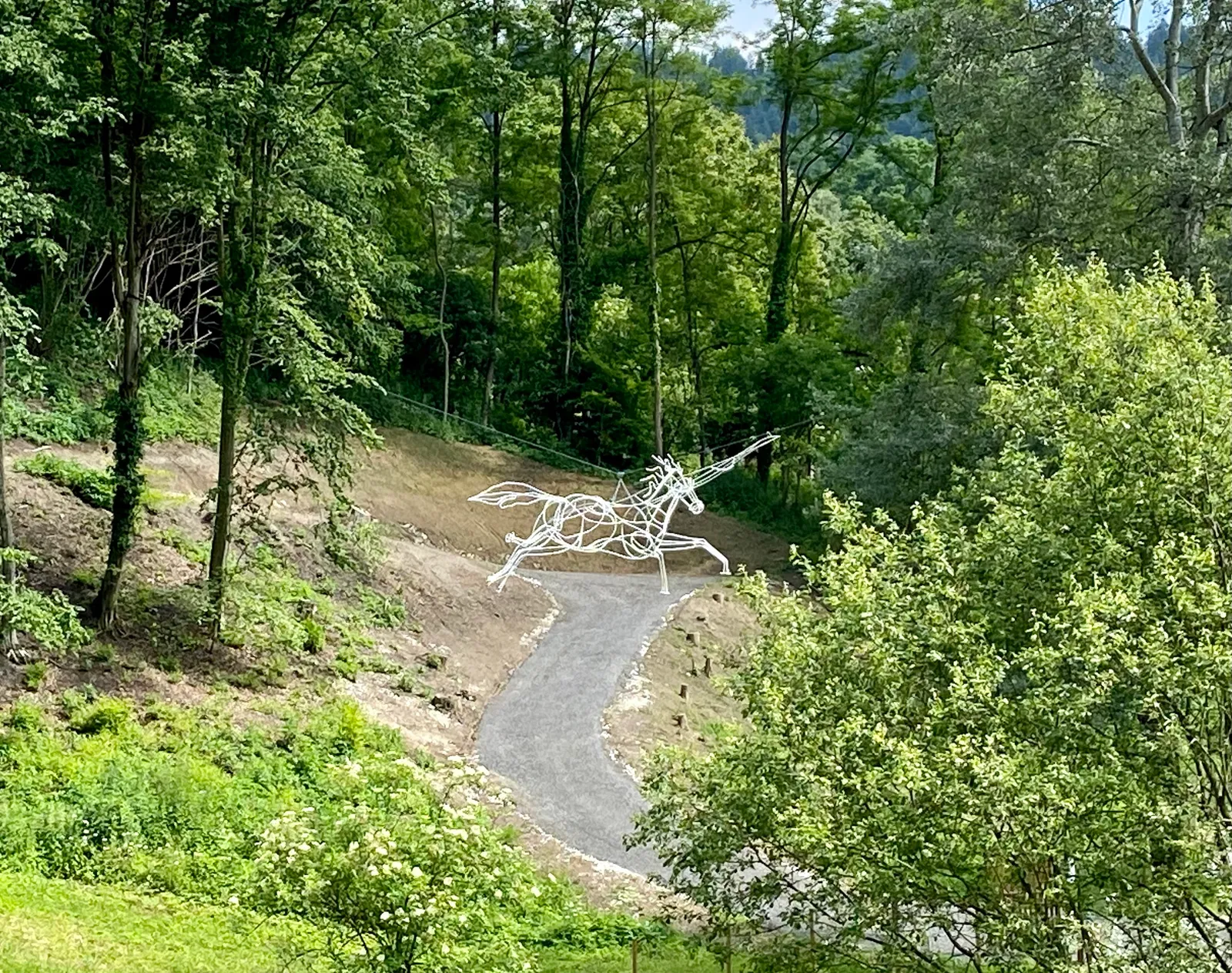
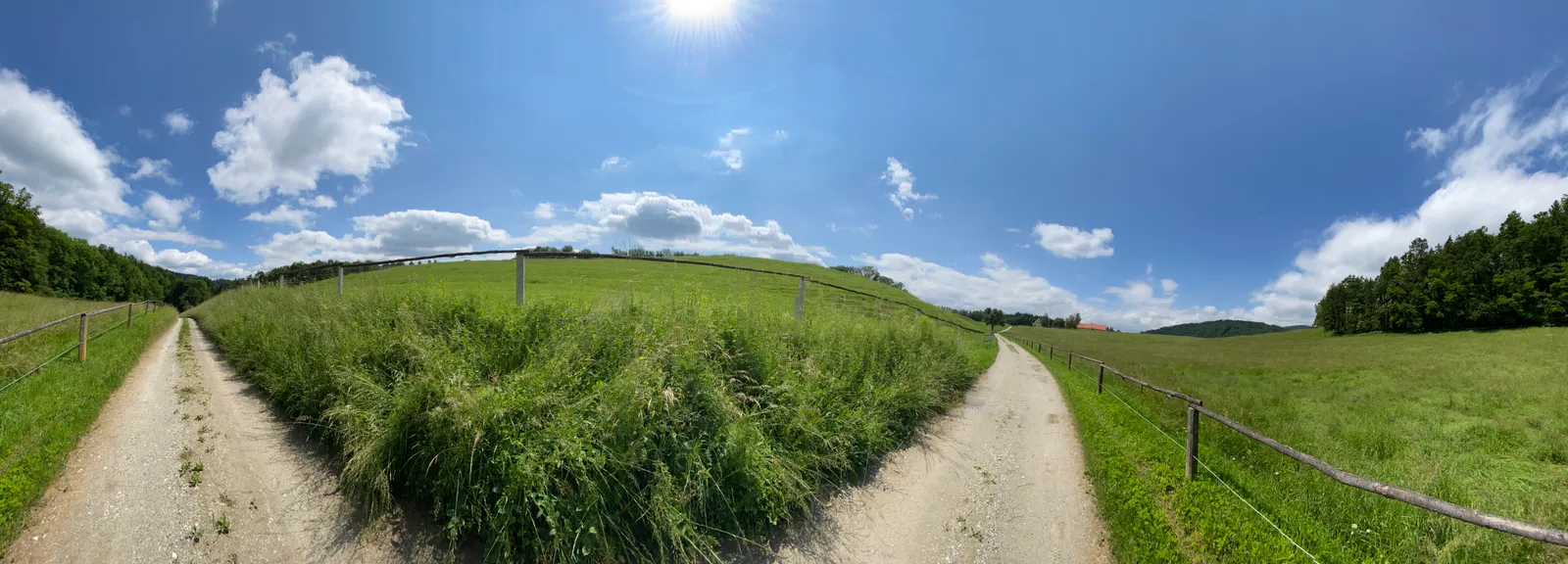
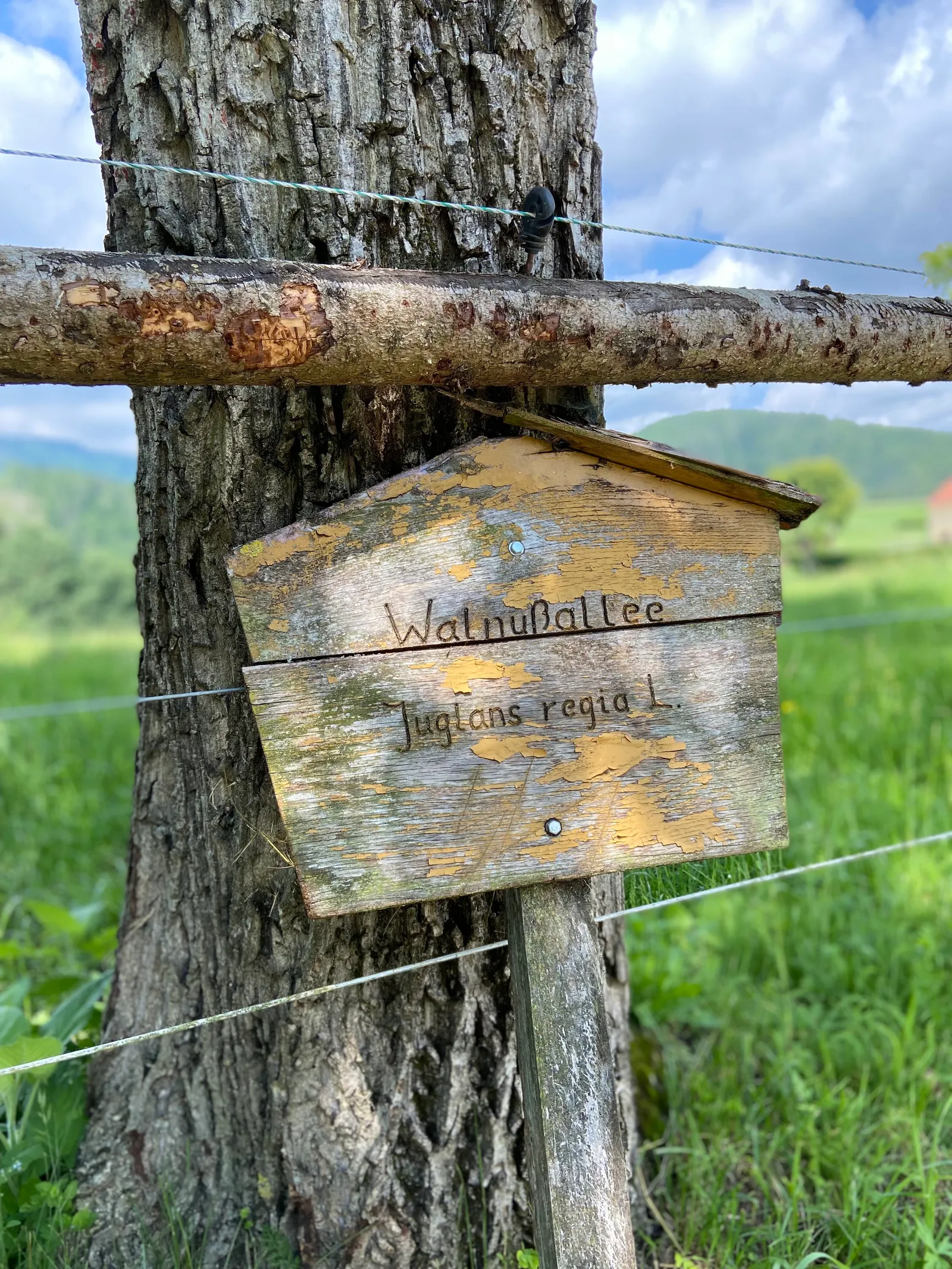
Afterwards we drove back to Köflach and found a parking spot near the Dechantteich, which was a massive construction site at the time. From there we set off on the Pluto loop. Pluto is one of the founding stallions of the Lipizzaner breed. The Conversano and Maestoso loop trails are also available, listed at 2 and 3 hours' walking time respectively. Their names likewise honour two further founding sires of this baroque horse breed.
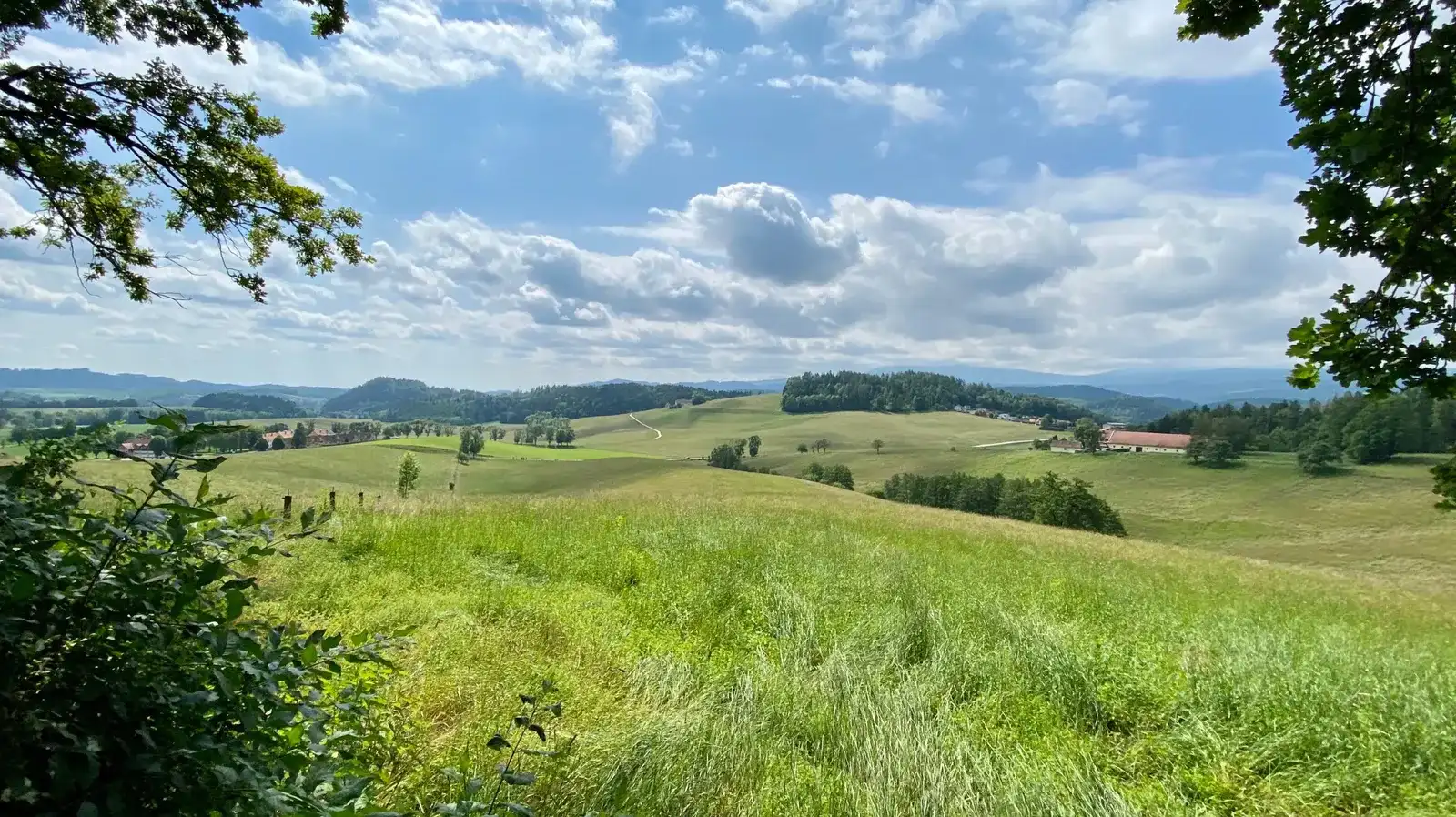
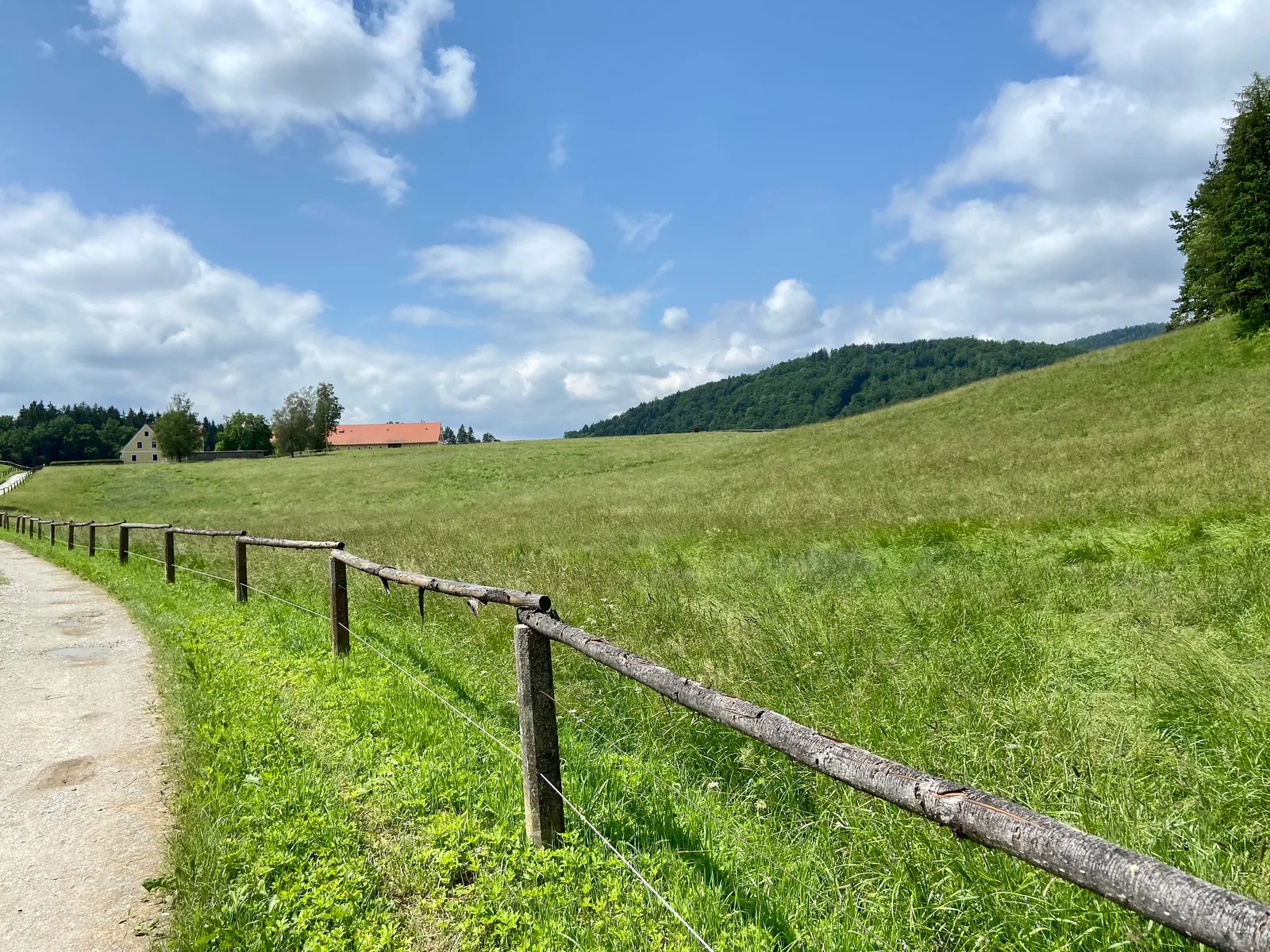
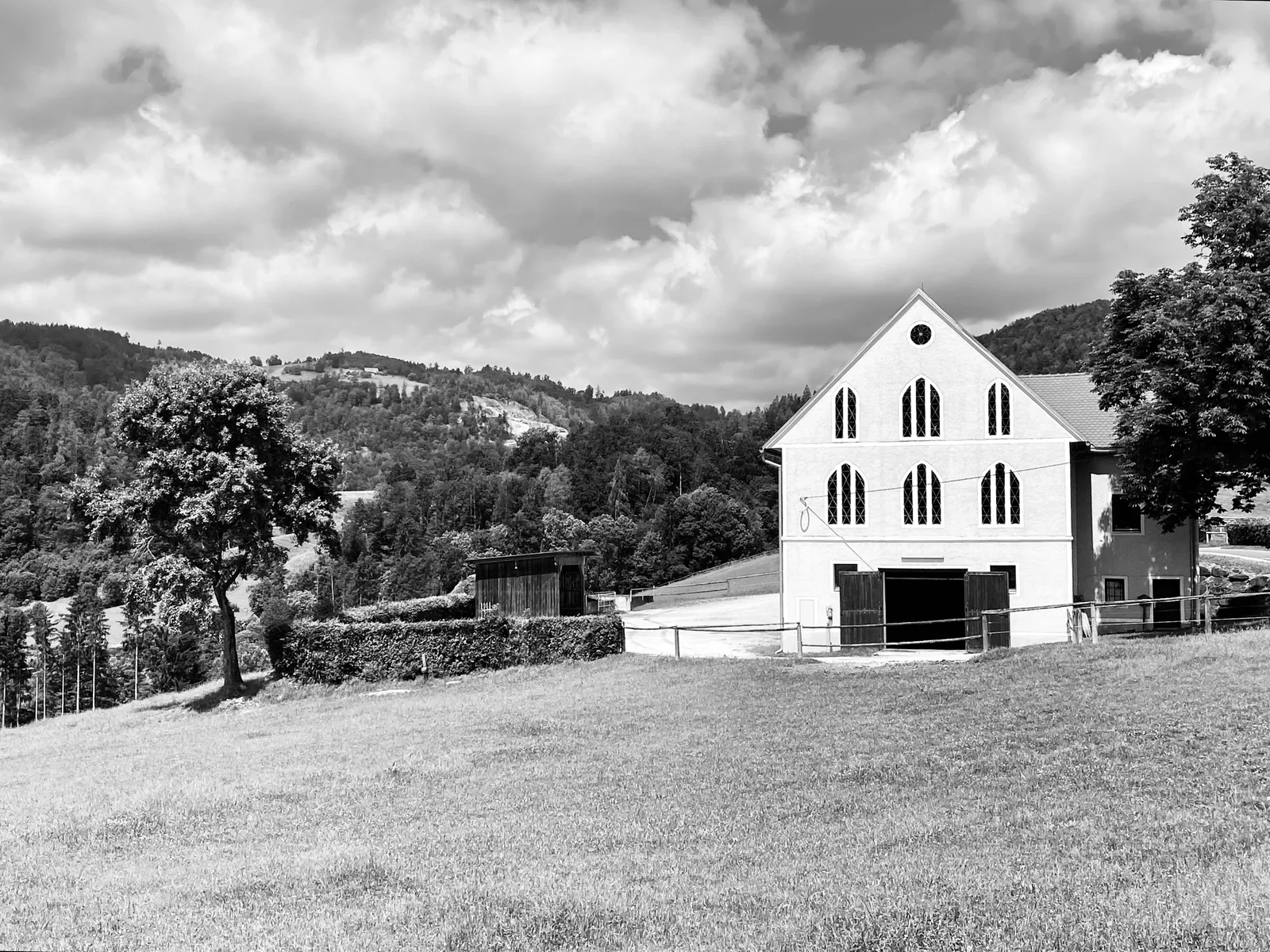
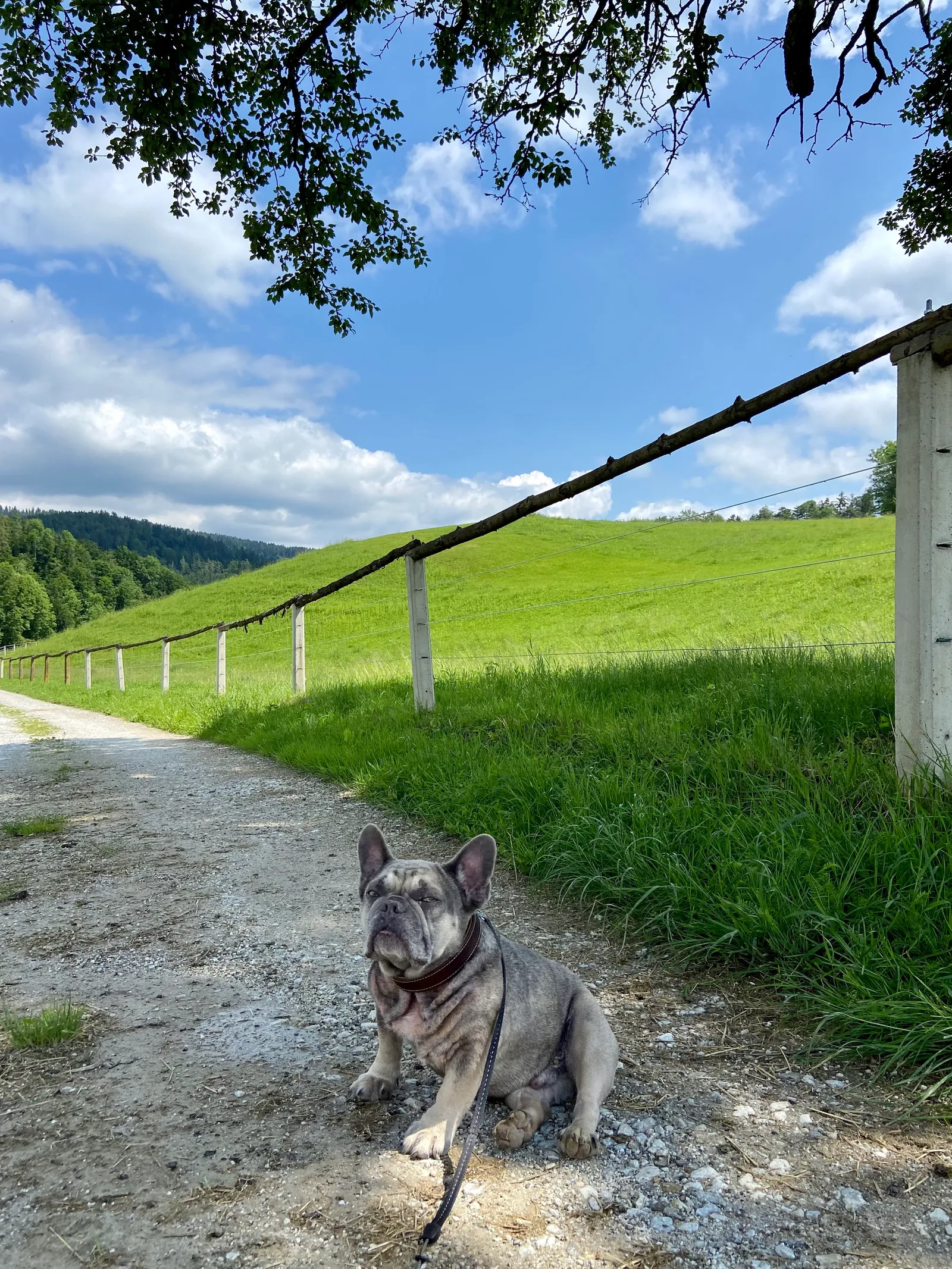
The loop trail takes us past the paddocks of the outlying farm Kampl. In spring, the young horses are probably put out to graze here after being weaned from their dams. On this day we can unfortunately only admire 2 Lipizzaners from quite a distance. We stroll on along the beautiful path through this dreamlike countryside, where the "future of the Spanish Riding School" is growing up.
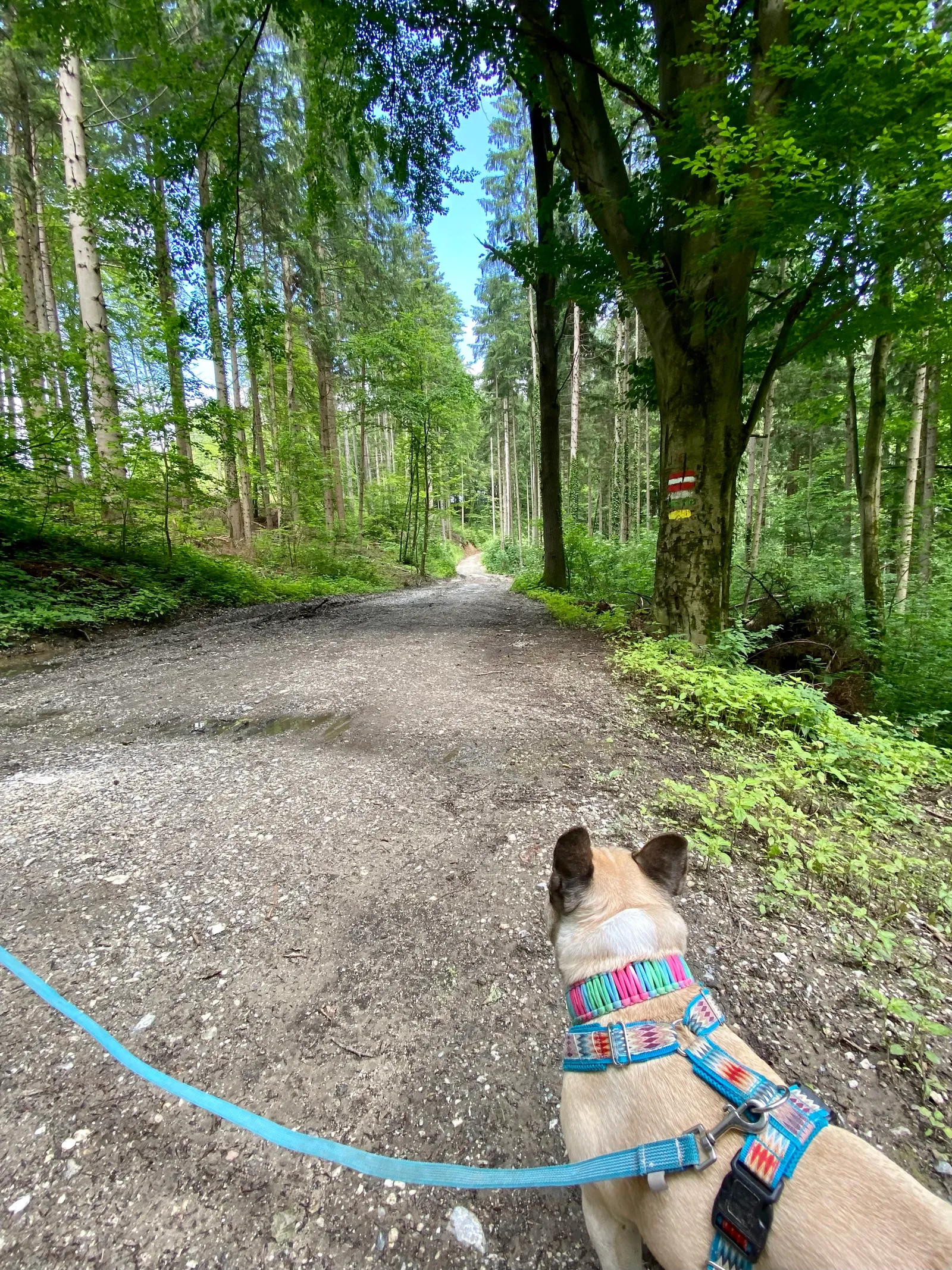
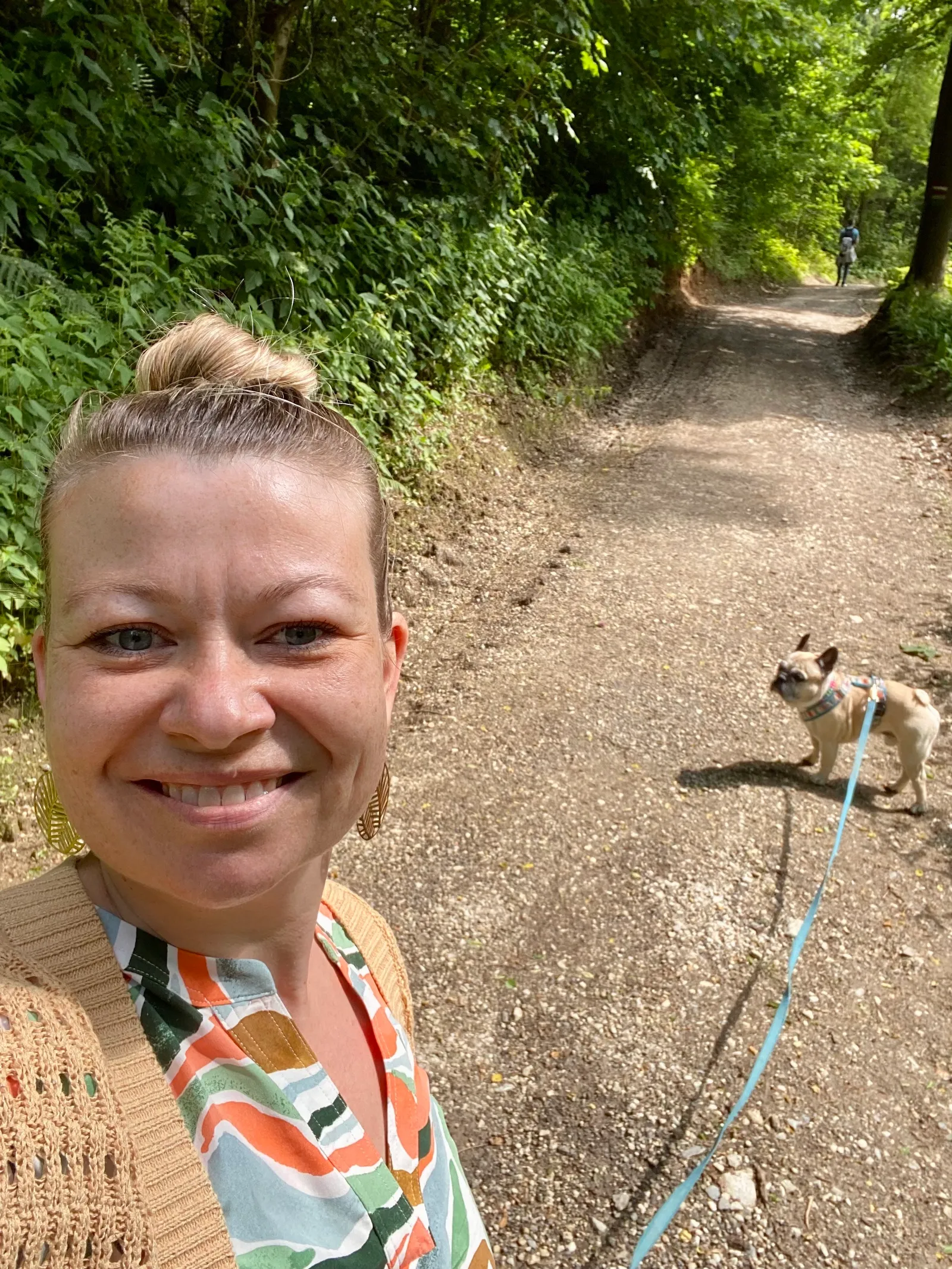
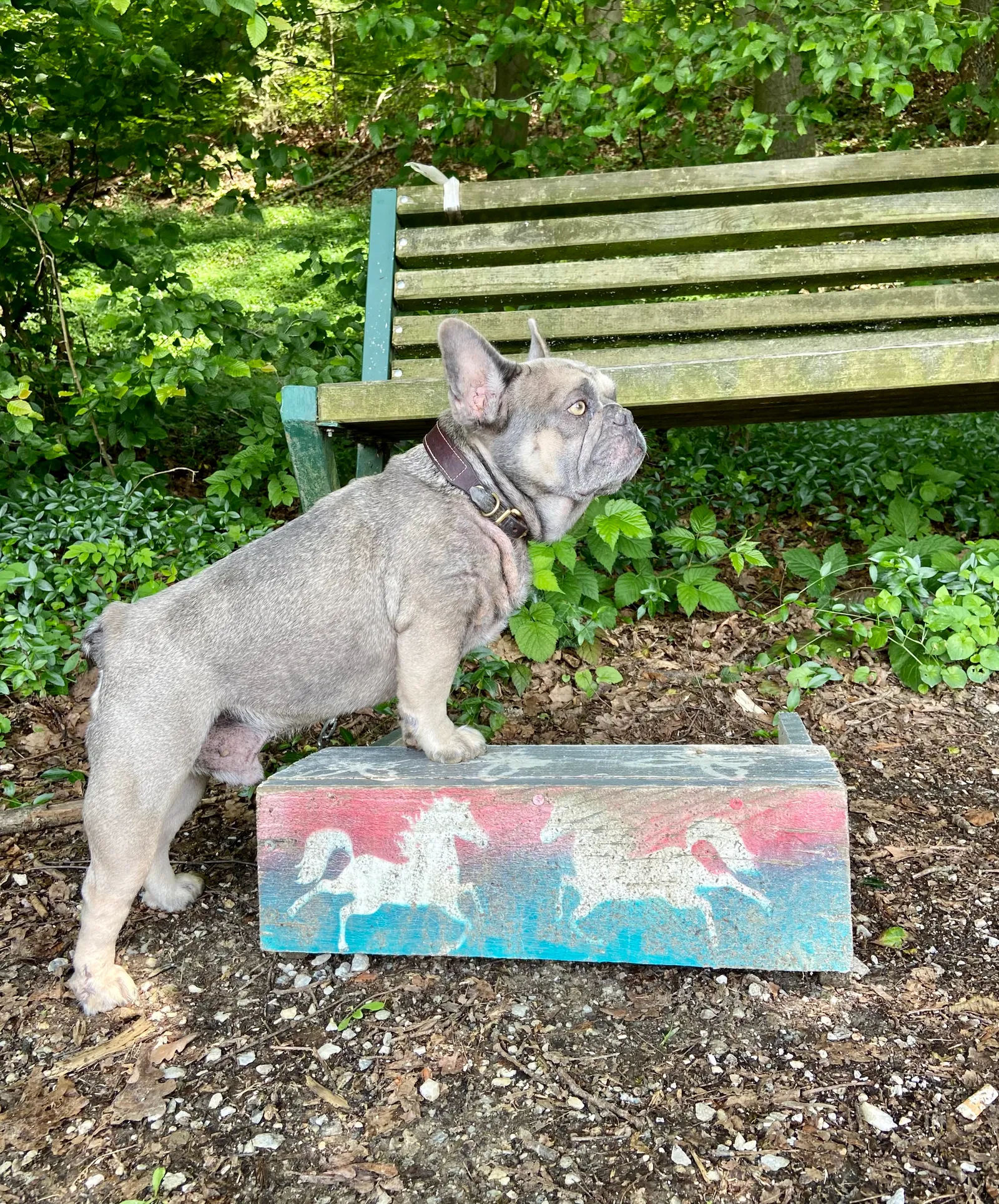
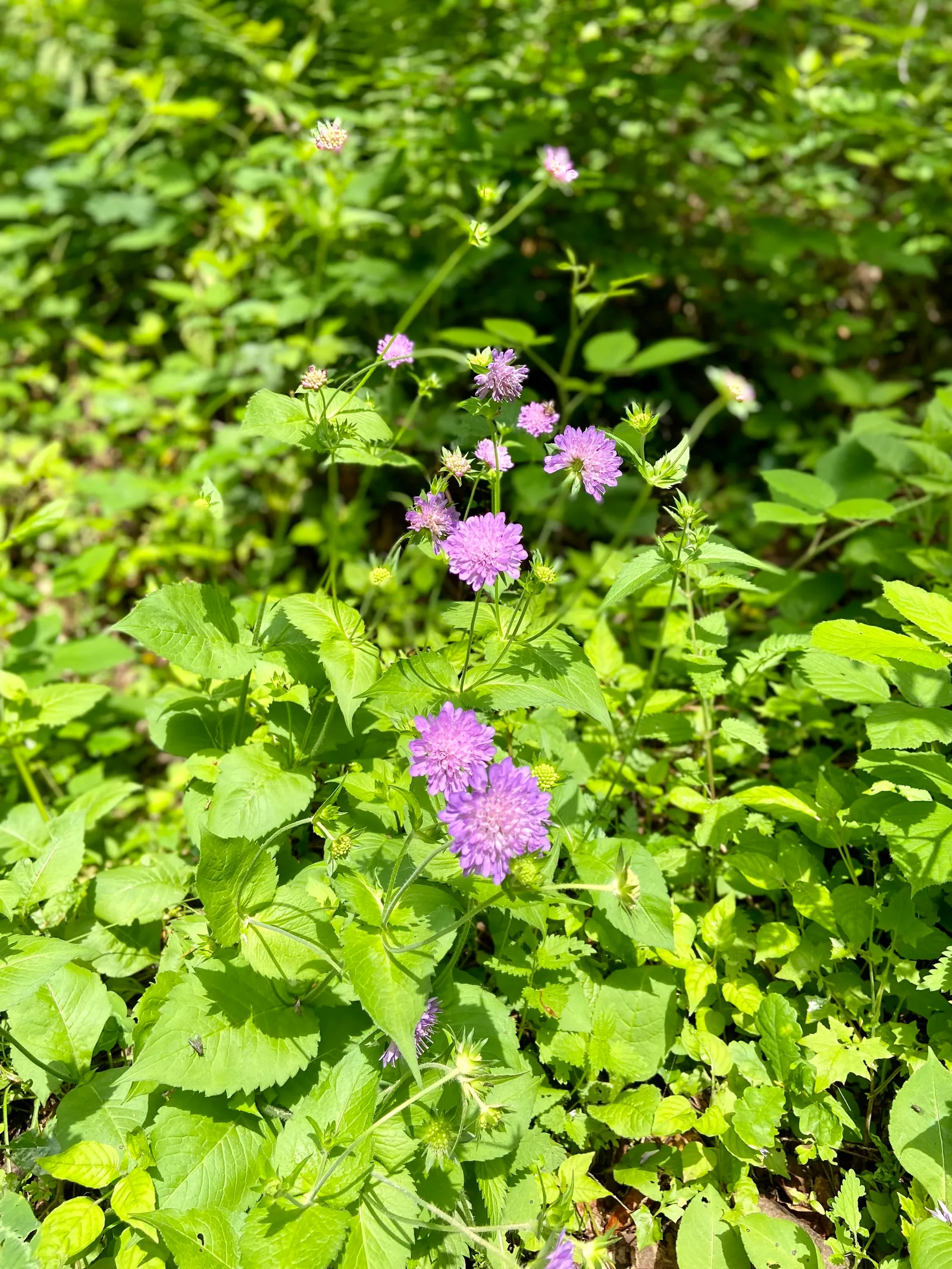
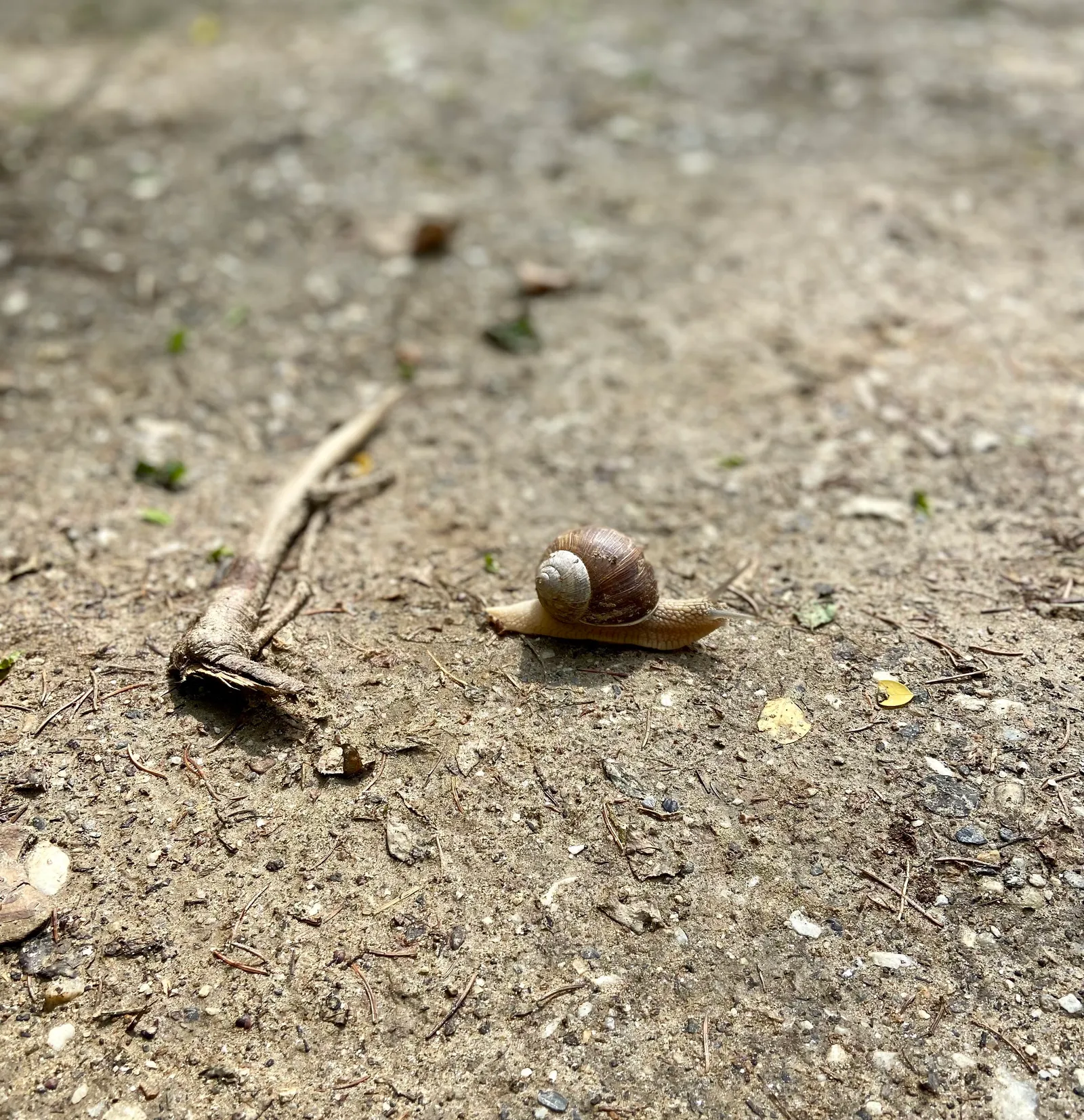
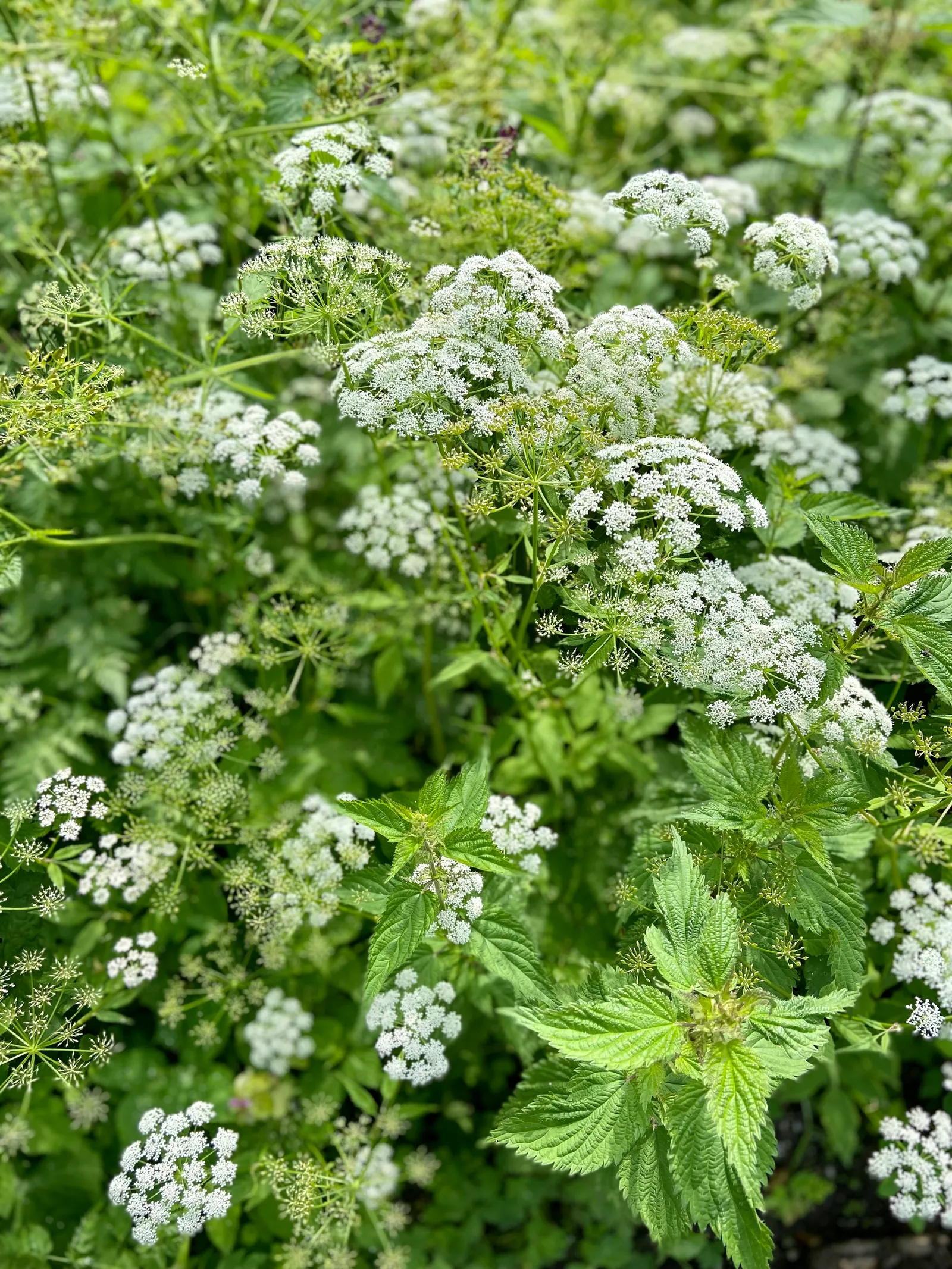
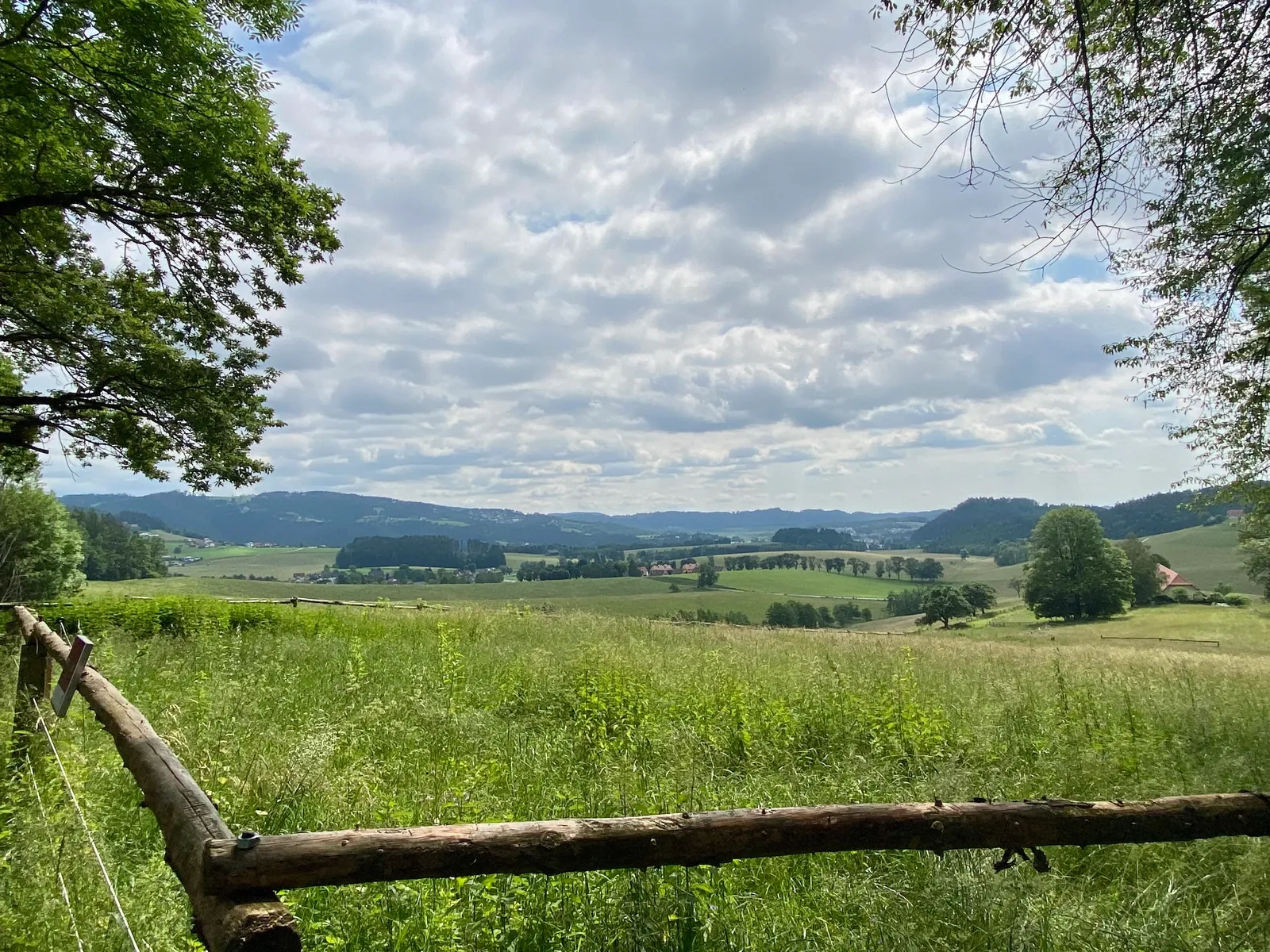
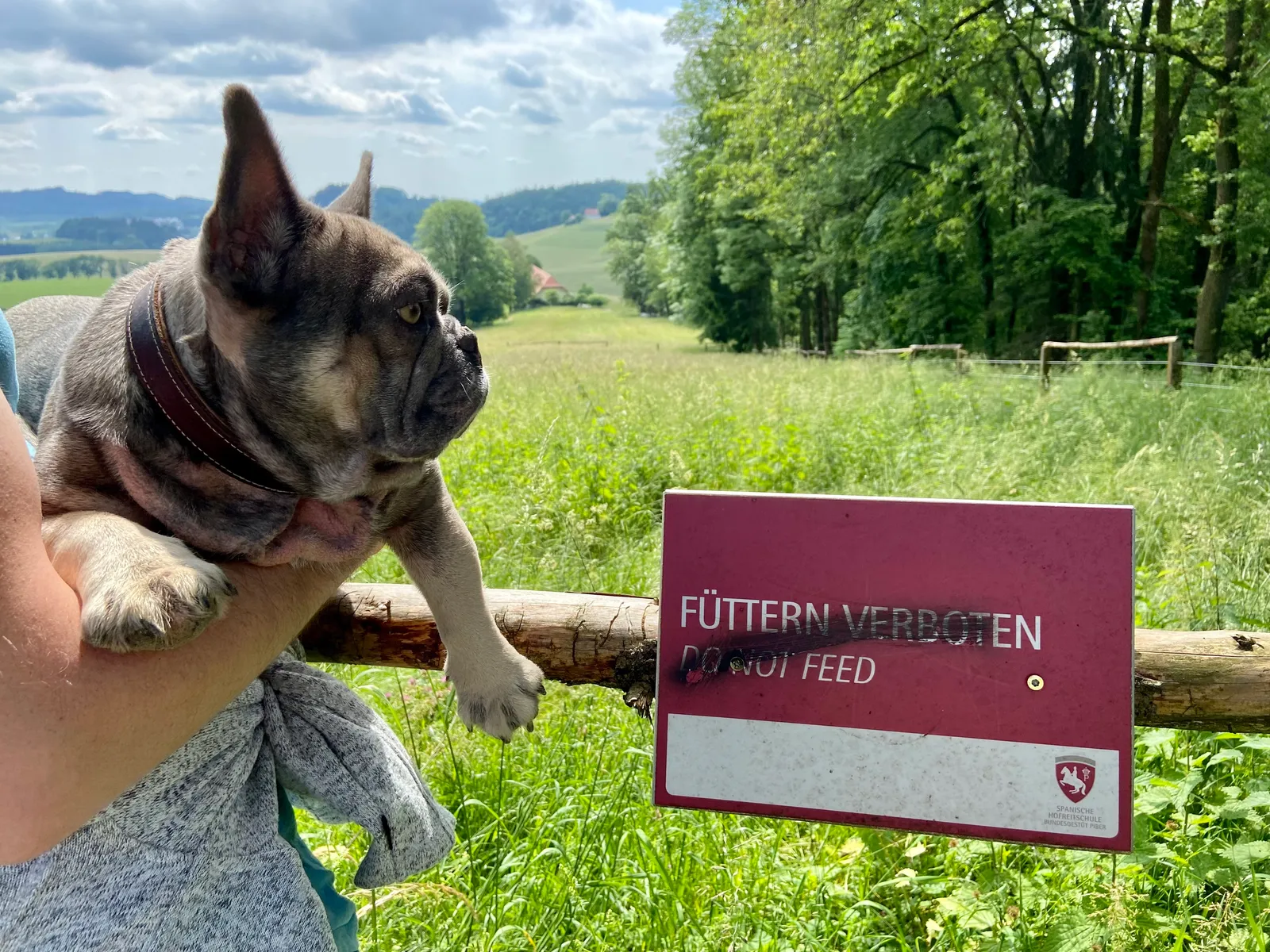
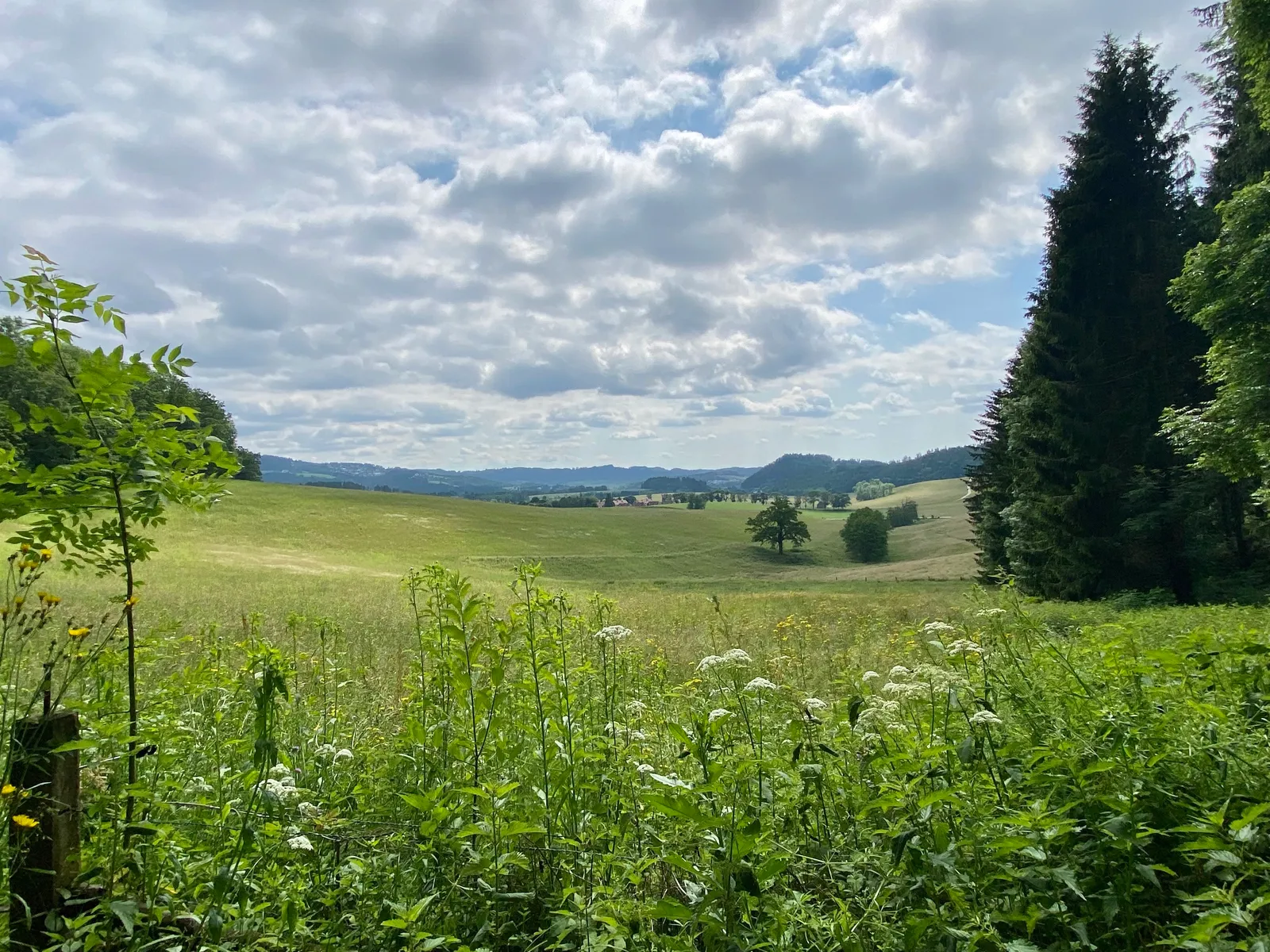
After the mixed forest we reach the road, where the back entrance to the Piber stud farm is also located. A visit offers a unique opportunity to witness the breeding, training and beauty of the Lipizzaner horses. Dogs are allowed on a short lead. Since I had already been to Piber before, we skip a repeat visit today.
Further up we turn left at the sign and head back into the forest. After a short climb we find ourselves among beautiful meadows belonging to the outlying farm Wilhelm. From there it's not long before we're back in the Dechantteich park and at the car again.
Trail Details
- Pace: leisurely
- Stated walking time: 1:30 hours
- Our time: 1:30 hours
- Distance: 3.7 km
- Ascent: 92 m
- Descent: 88 m
- Highest point: 529 m
- Lowest point: 470 m
Dog Facts
- The walk is mostly on lovely gravel and forest paths, very little tarmac.
- An easy hike with a very straightforward route.
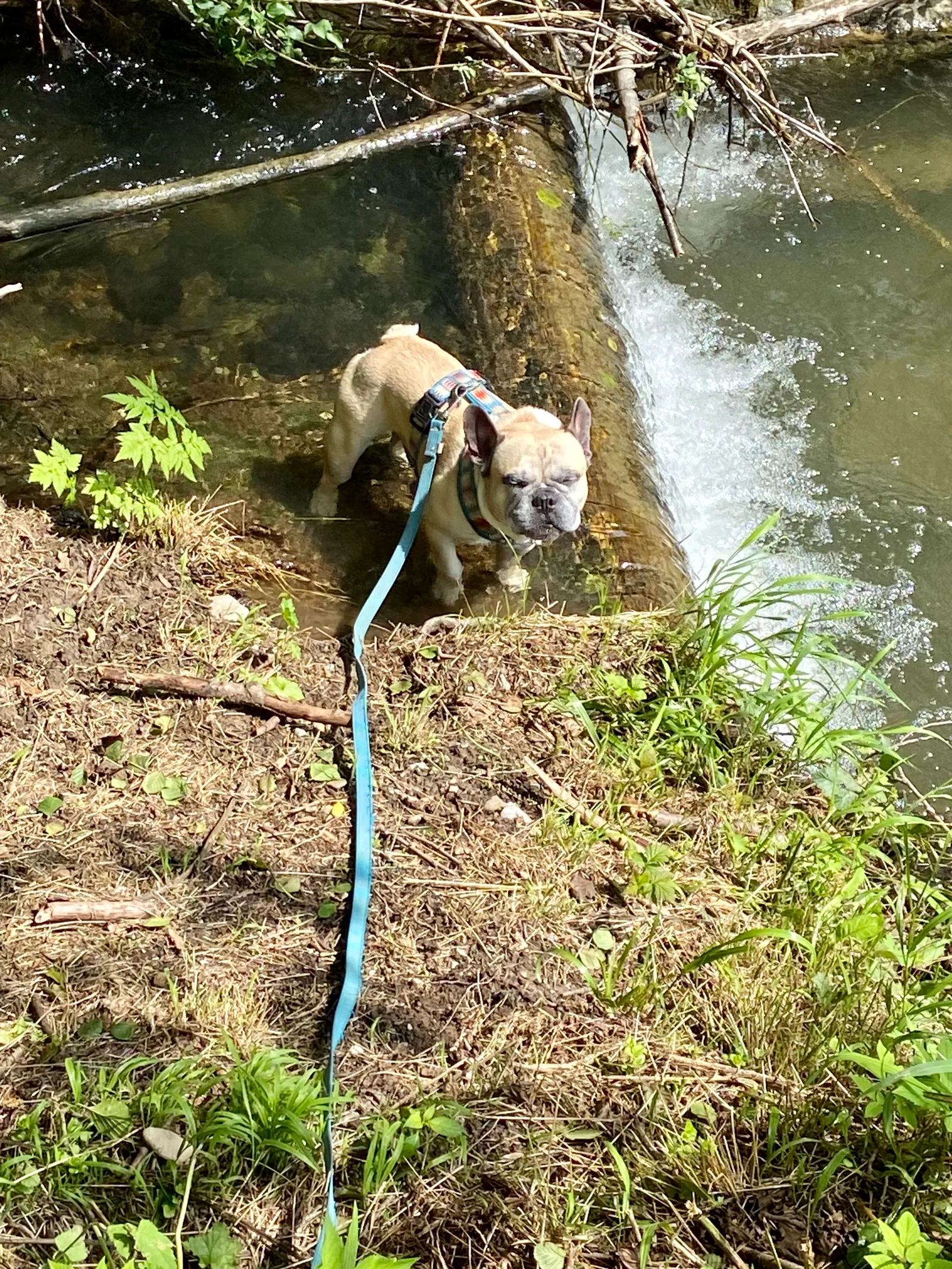
- We found one spot to cool the dogs off, though a bit of a steep scramble down to reach it. Archie wasn't having it.
- That day we met very few walkers and hikers and not a single other dog owner. Everyone was very relaxed and considerate.
Burgruine Obervoitsberg and the Zangtal Adventure Park
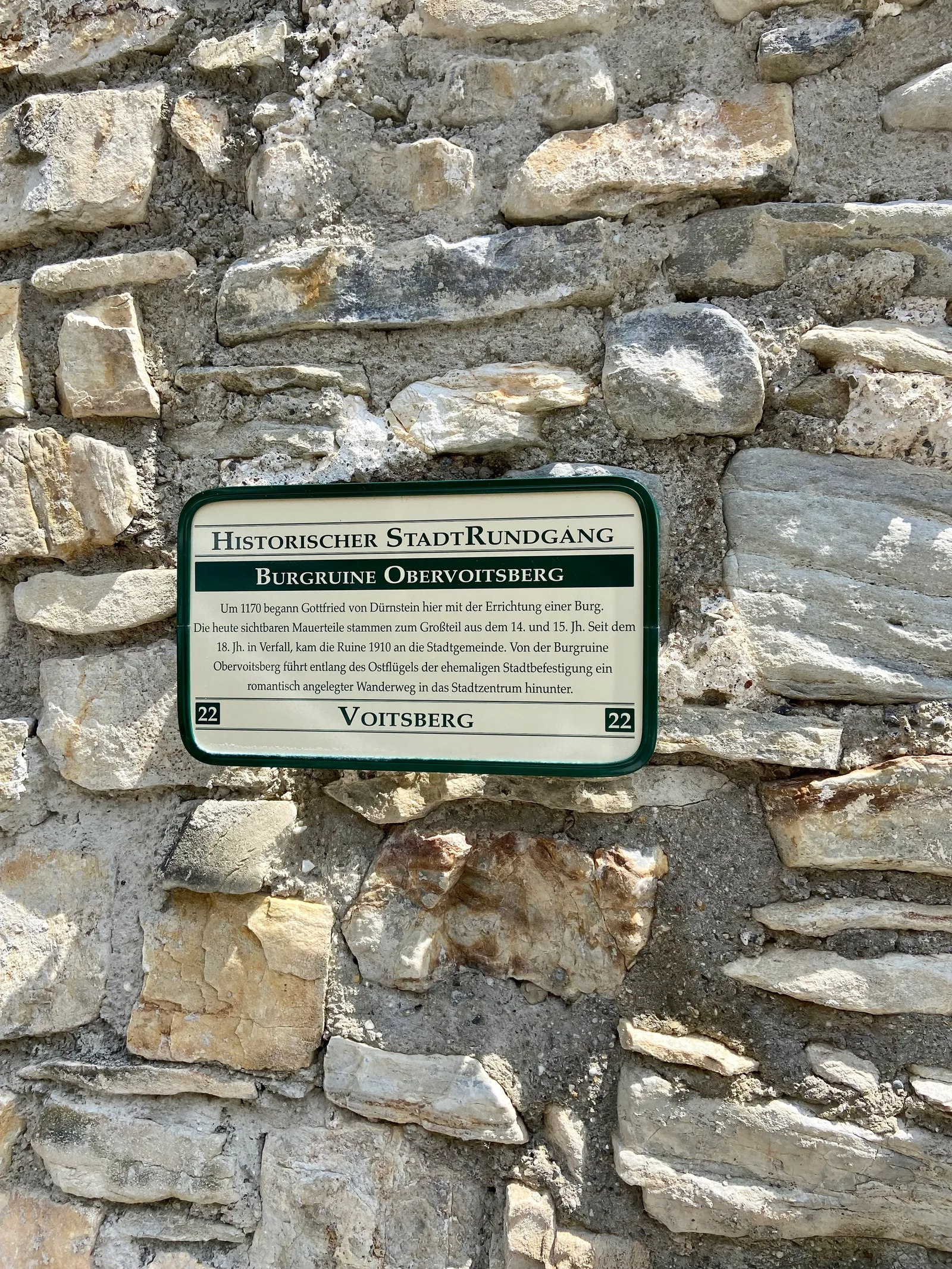
Our final outing with Murphy and Archie takes us to Voitsberg. We two-leggers are in for a delicious culinary treat at the Buchhaus. After that we head on to the Burgruine Obervoitsberg, a ruined castle that most likely dates back to the 12th century and is steeped in local legends.
There is also the option of following the trail of the West Styrian Sagenberg, where illustrations by 24 Styrian artists lead from the centre of Voitsberg to the castle ruins.
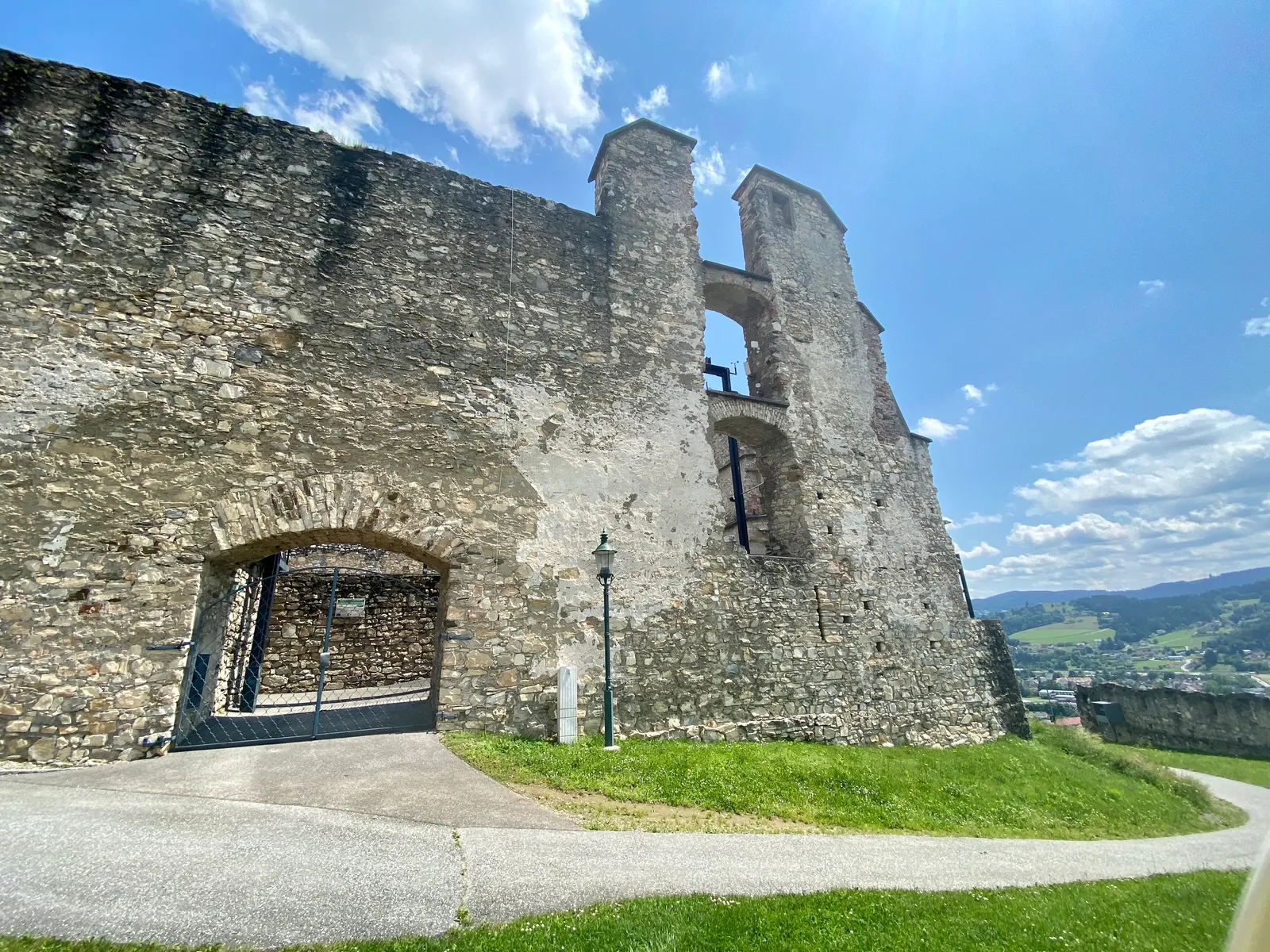
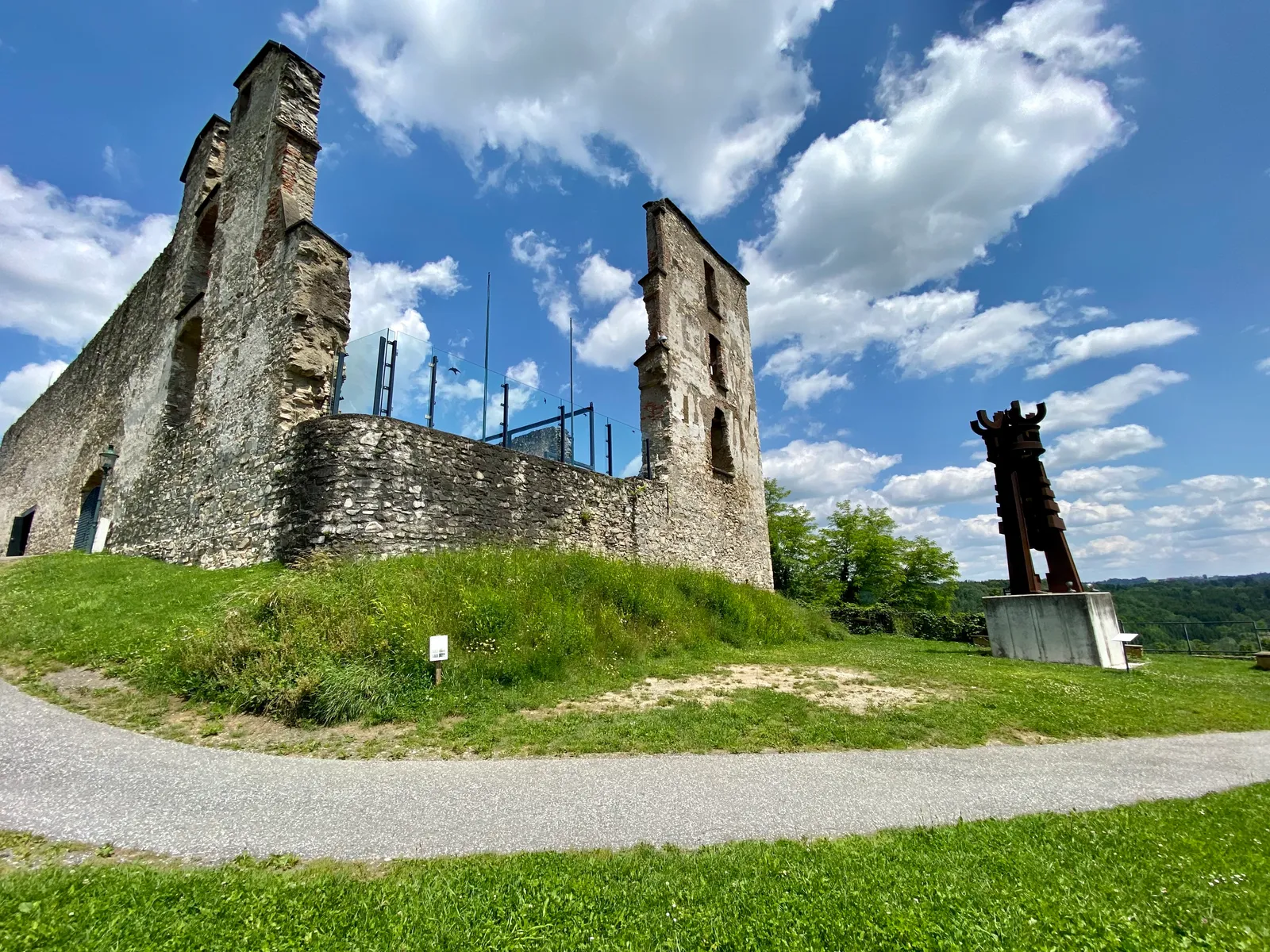
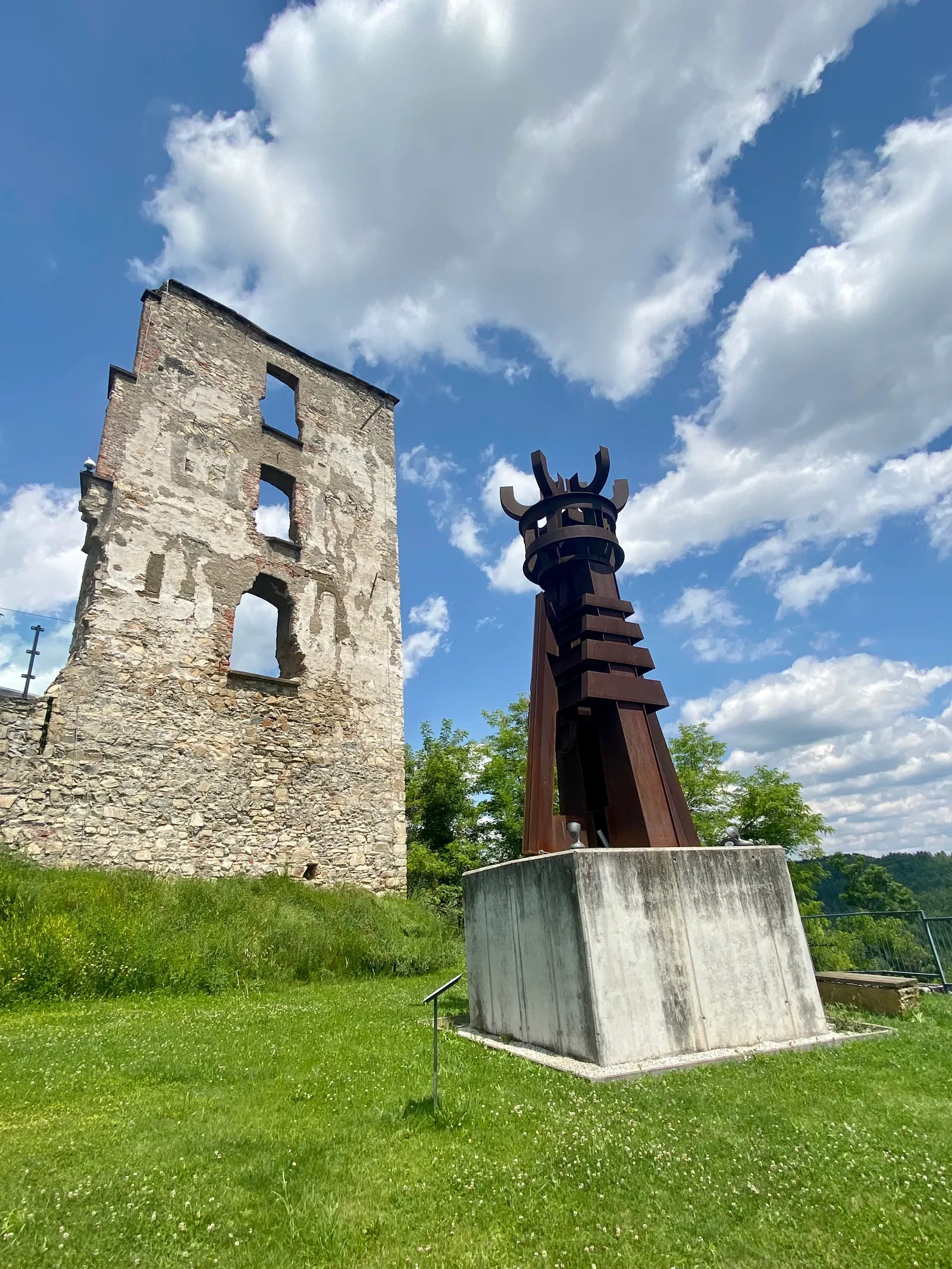
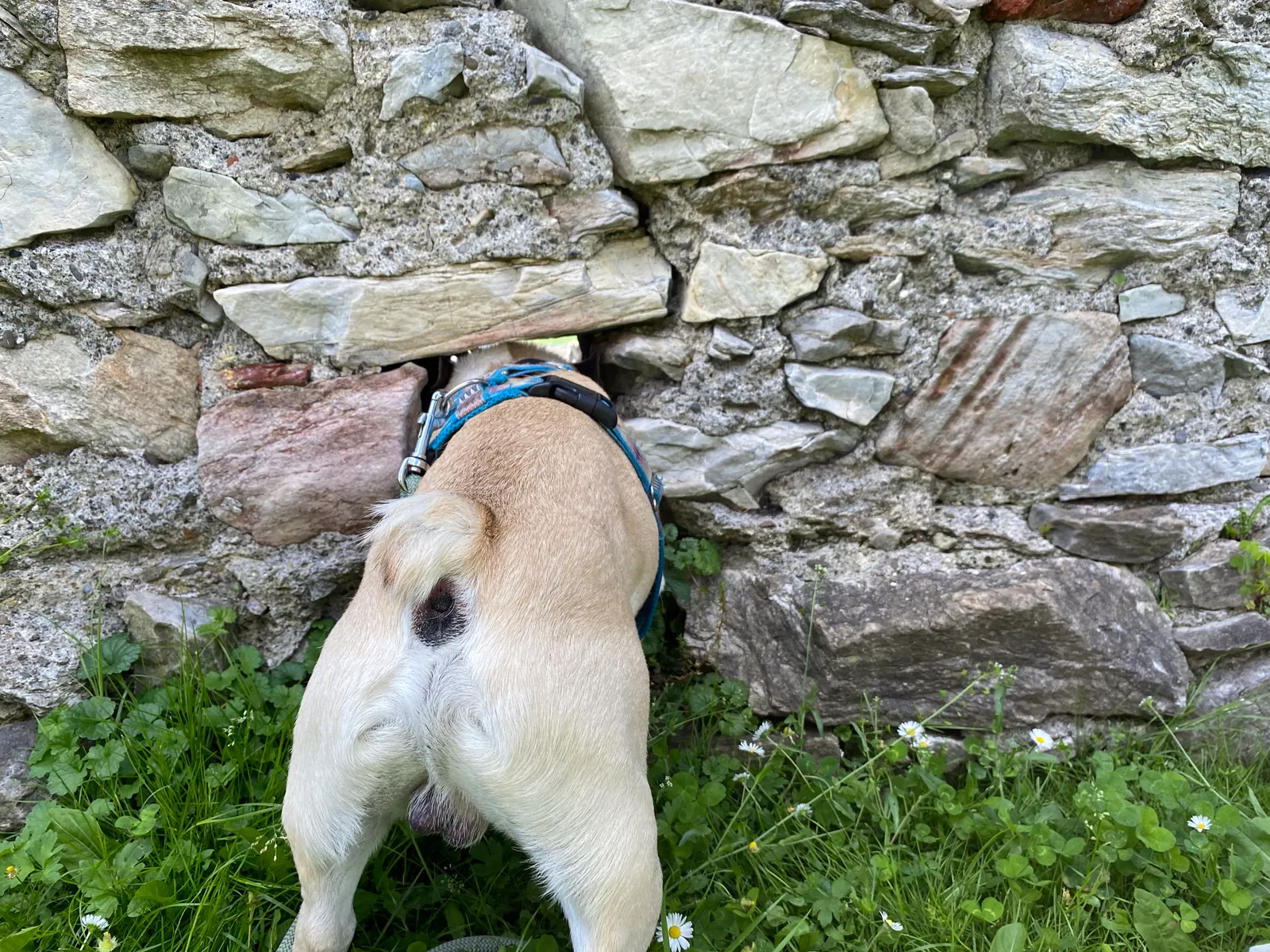
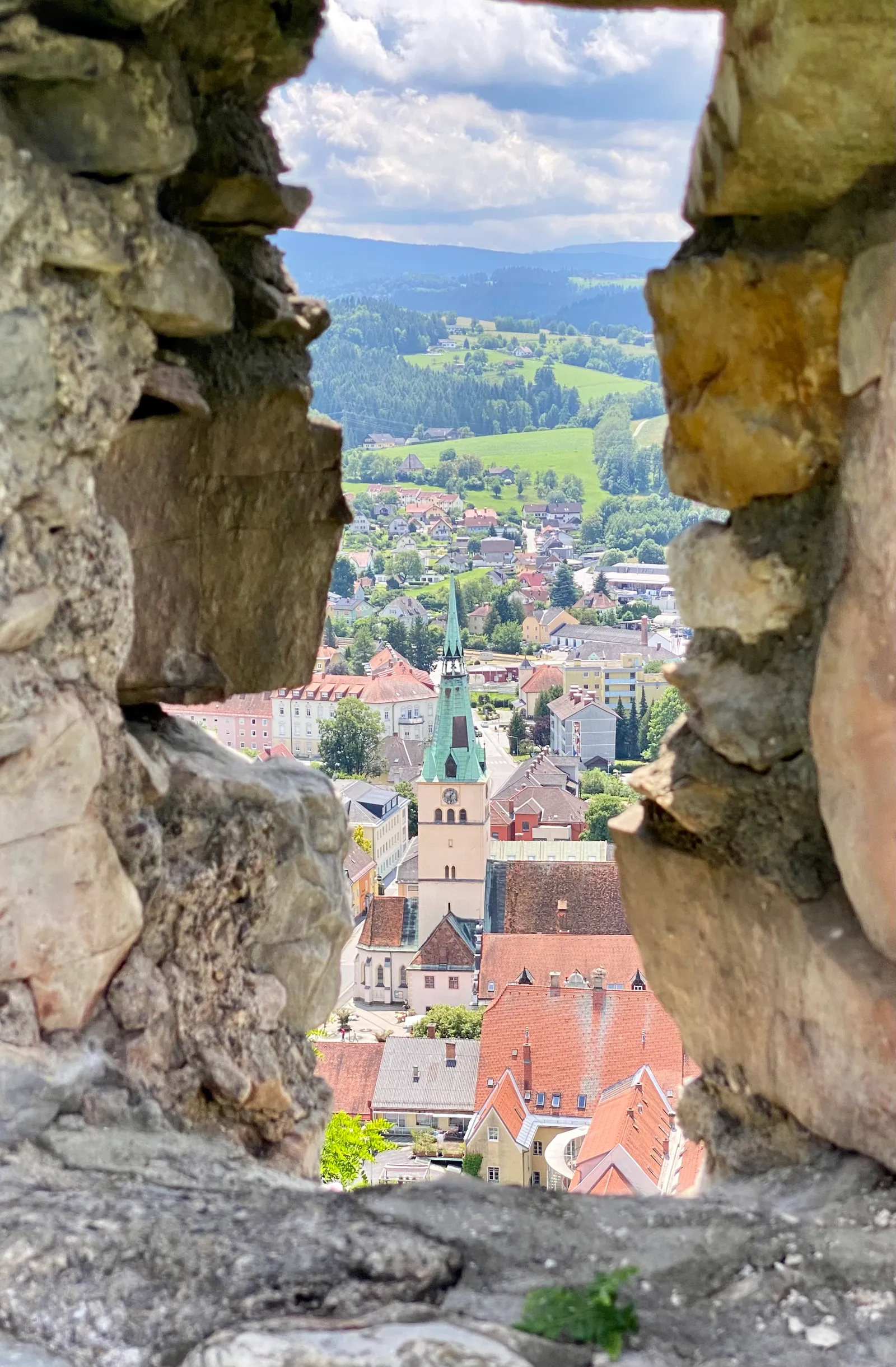
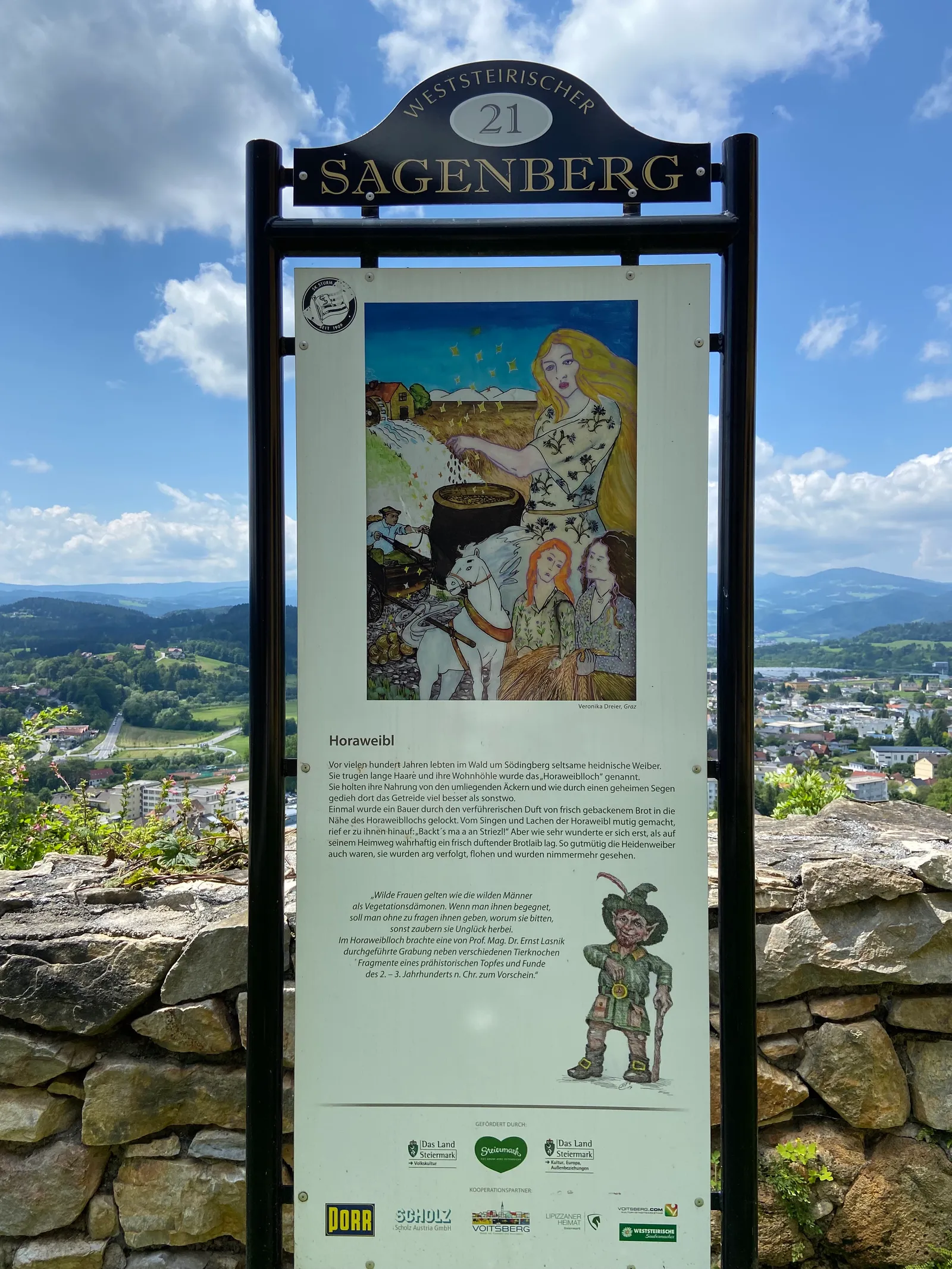
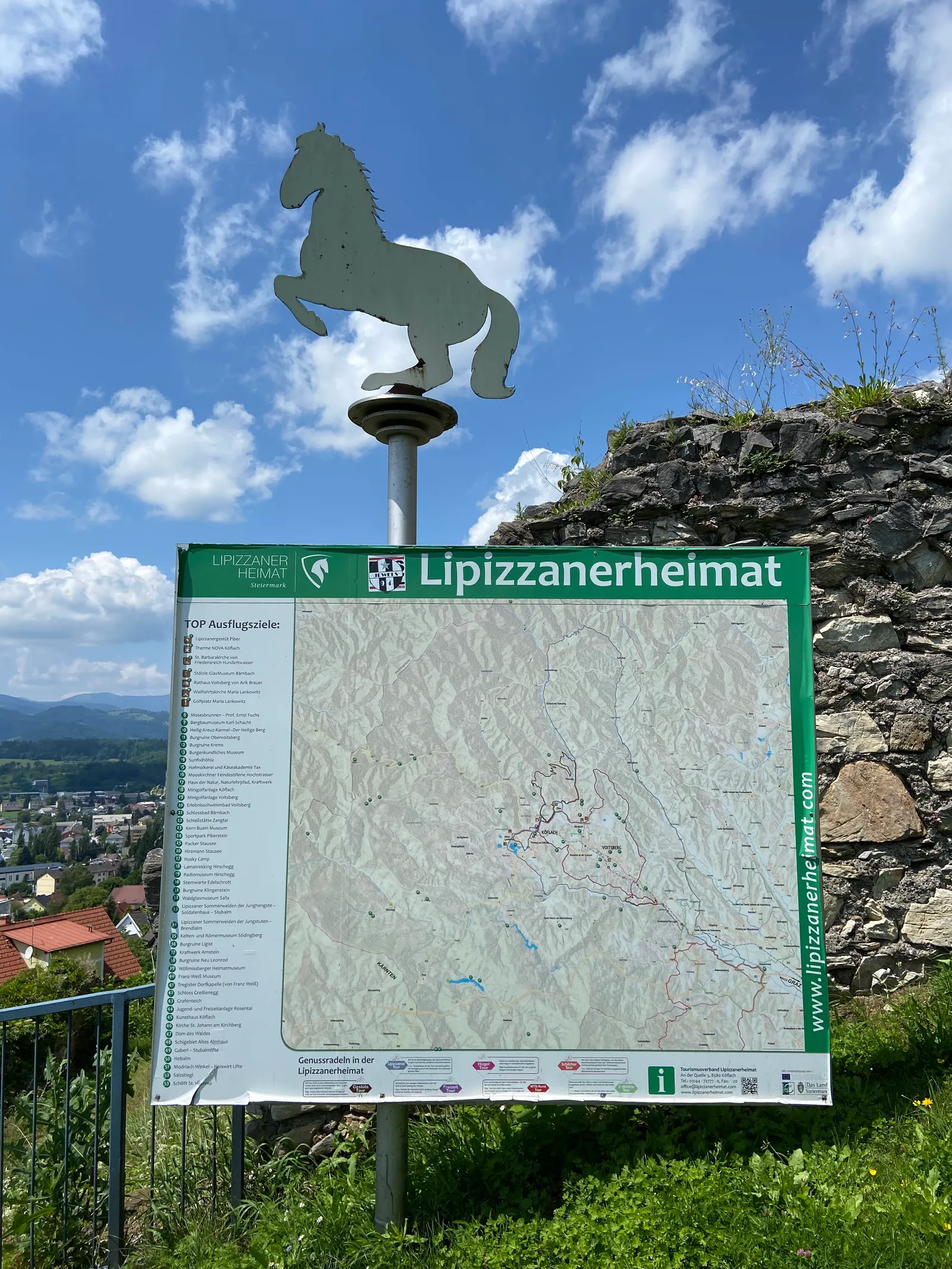
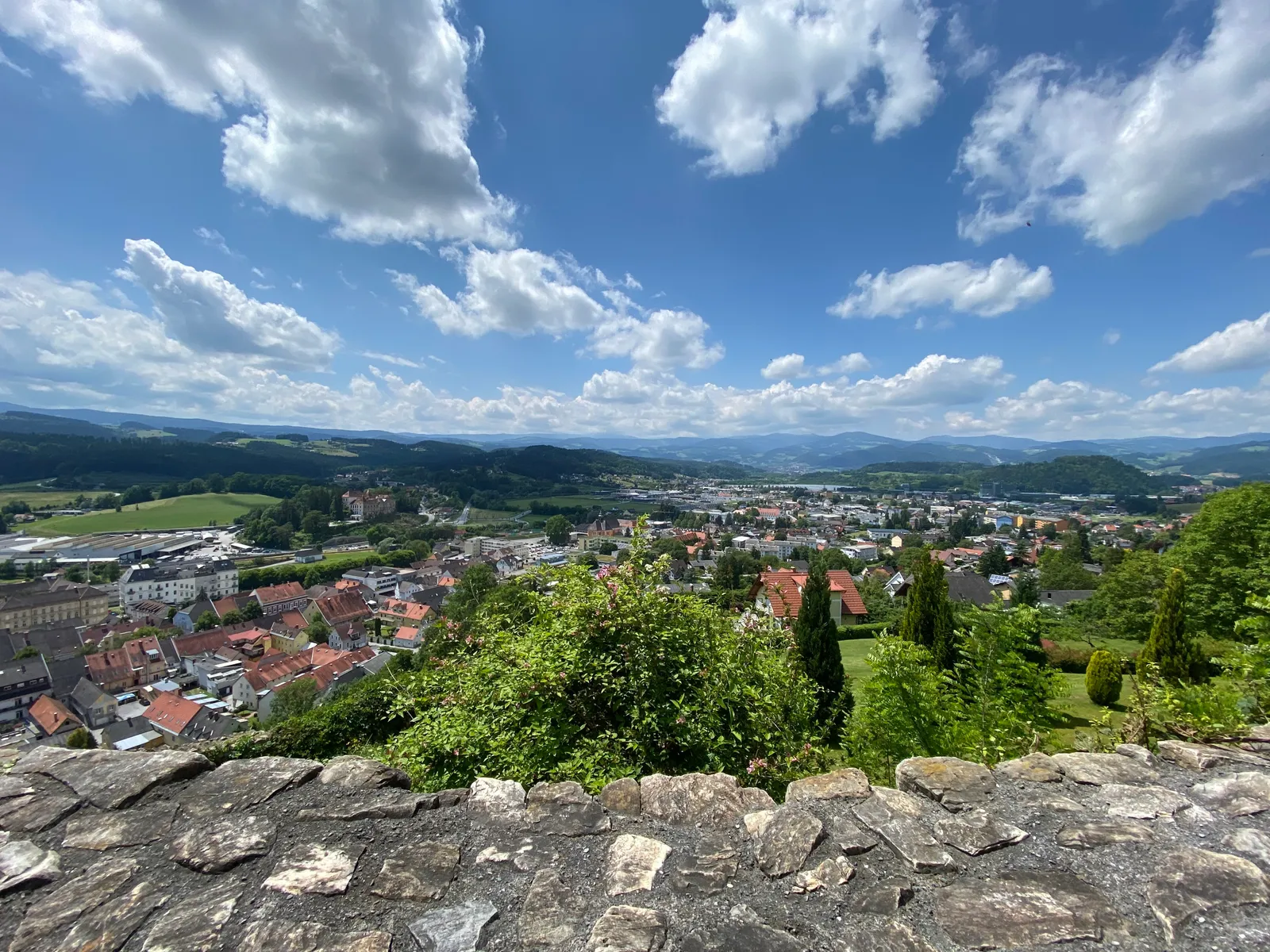
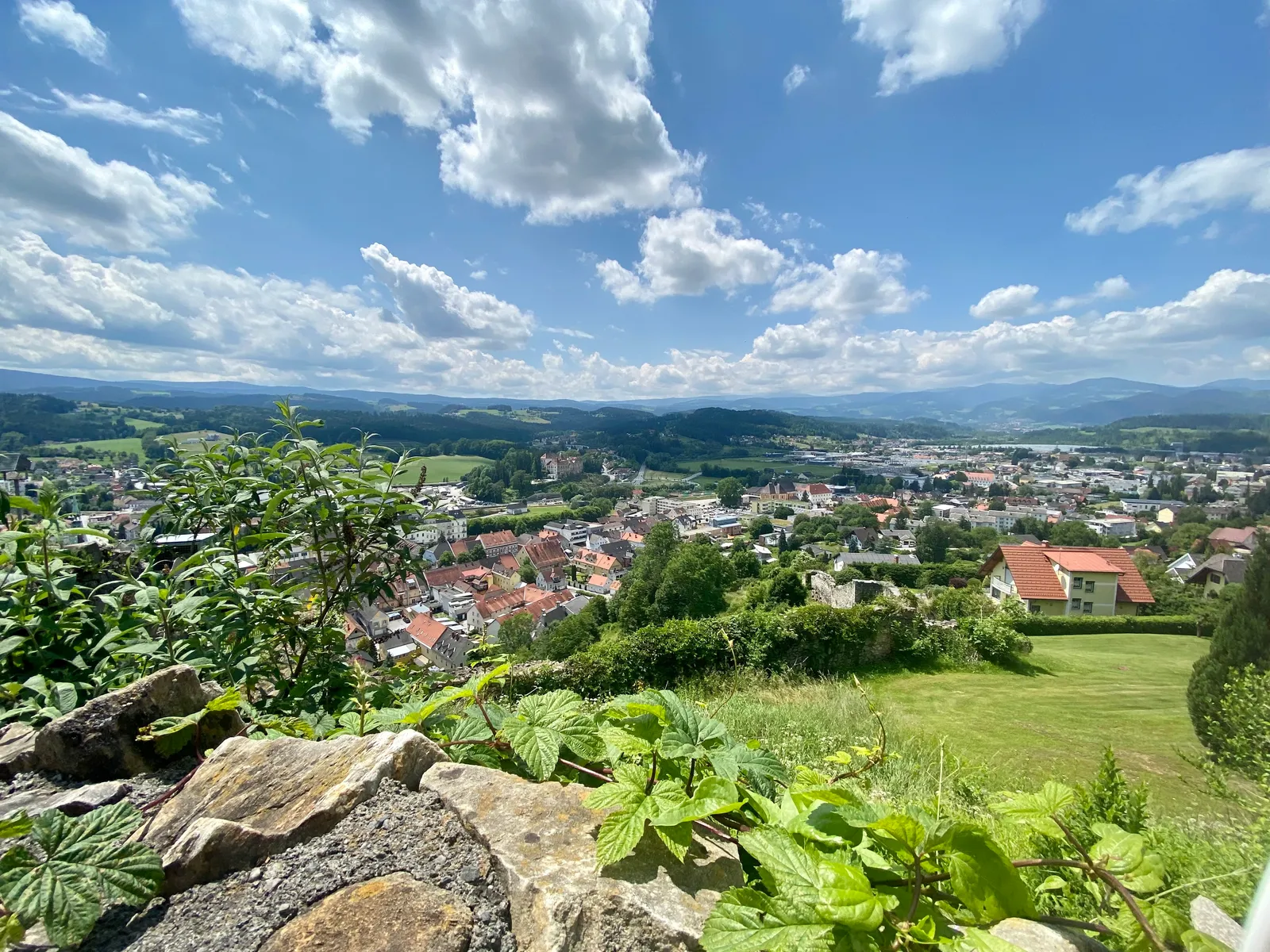
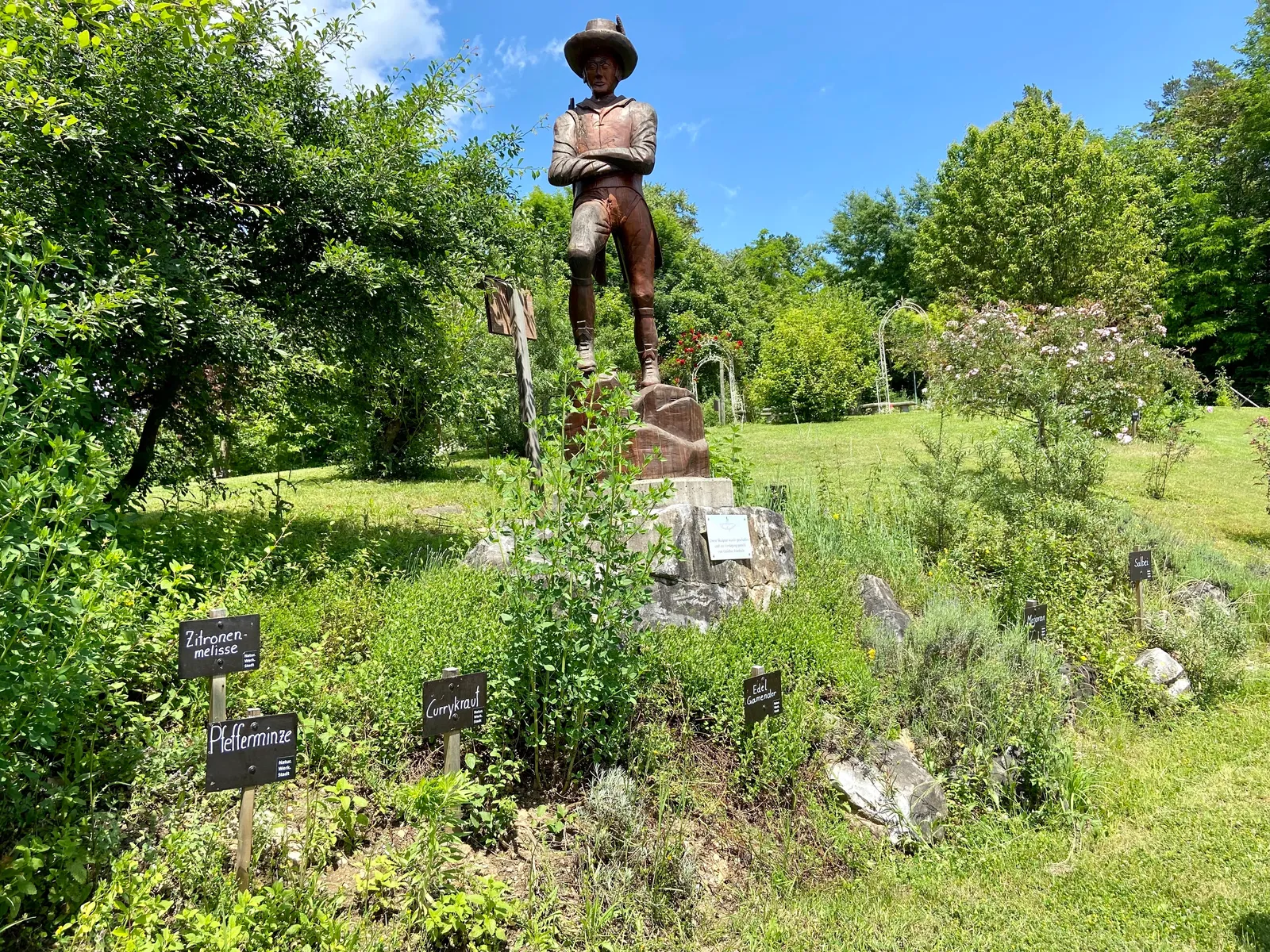
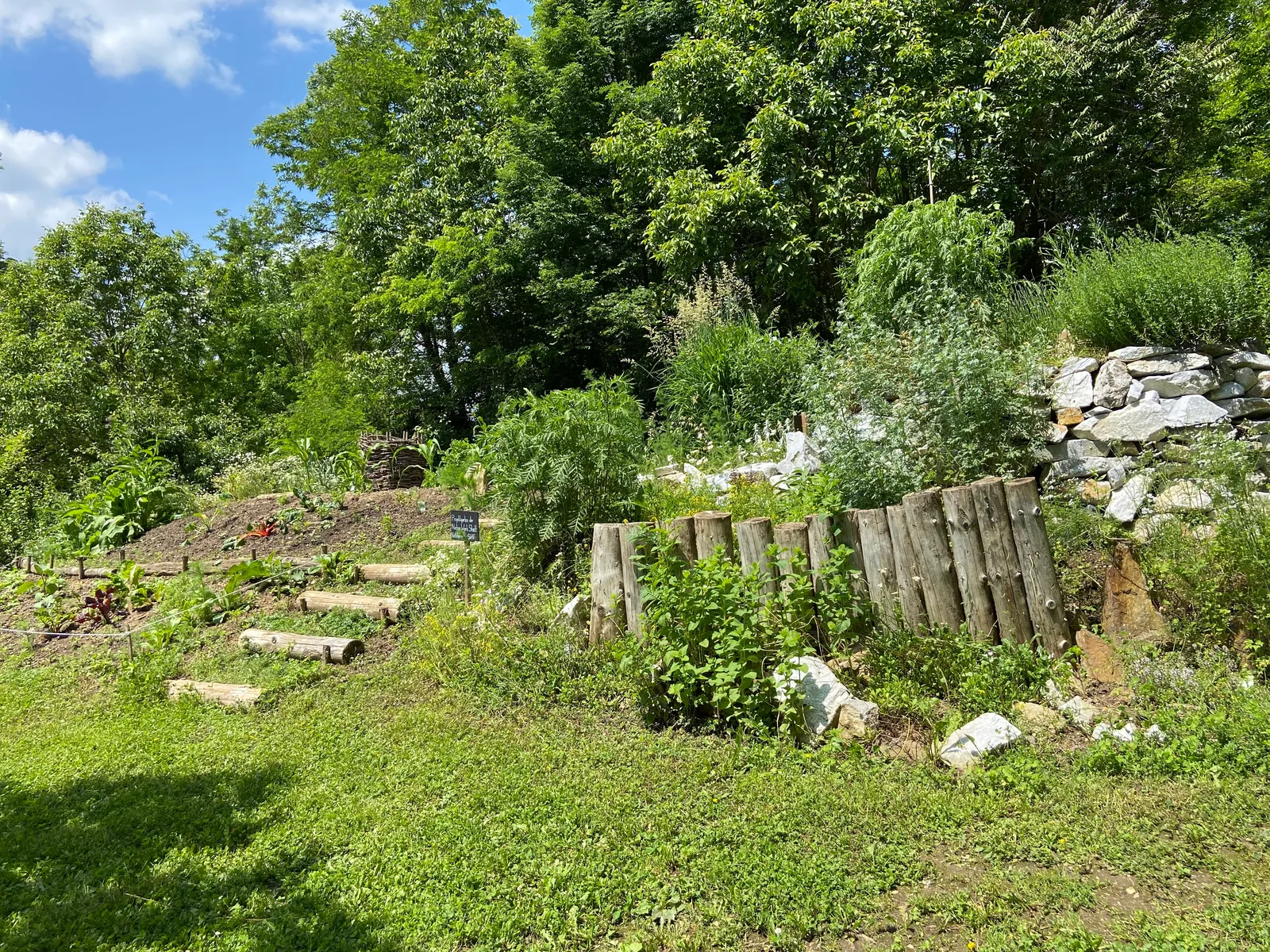
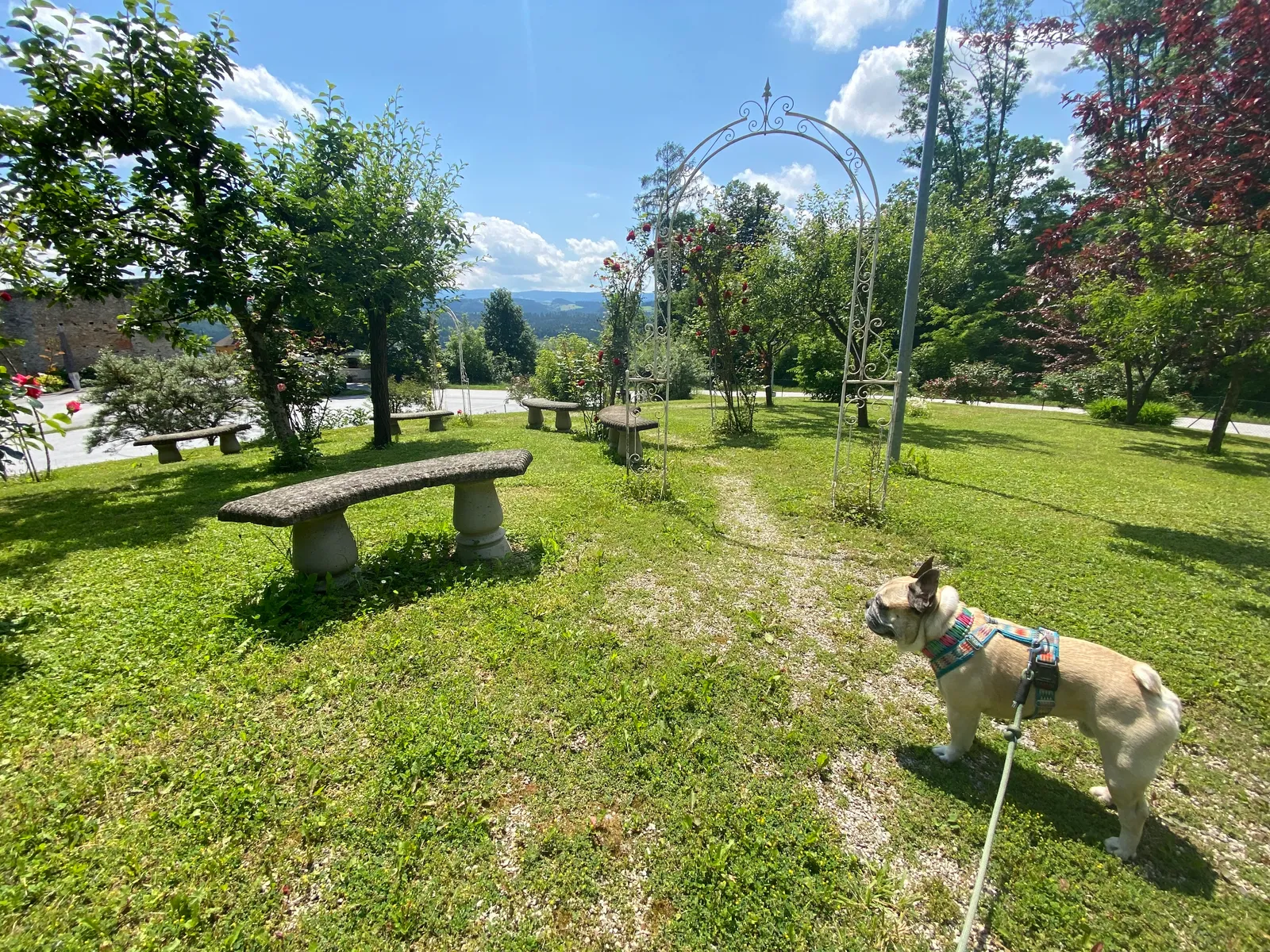
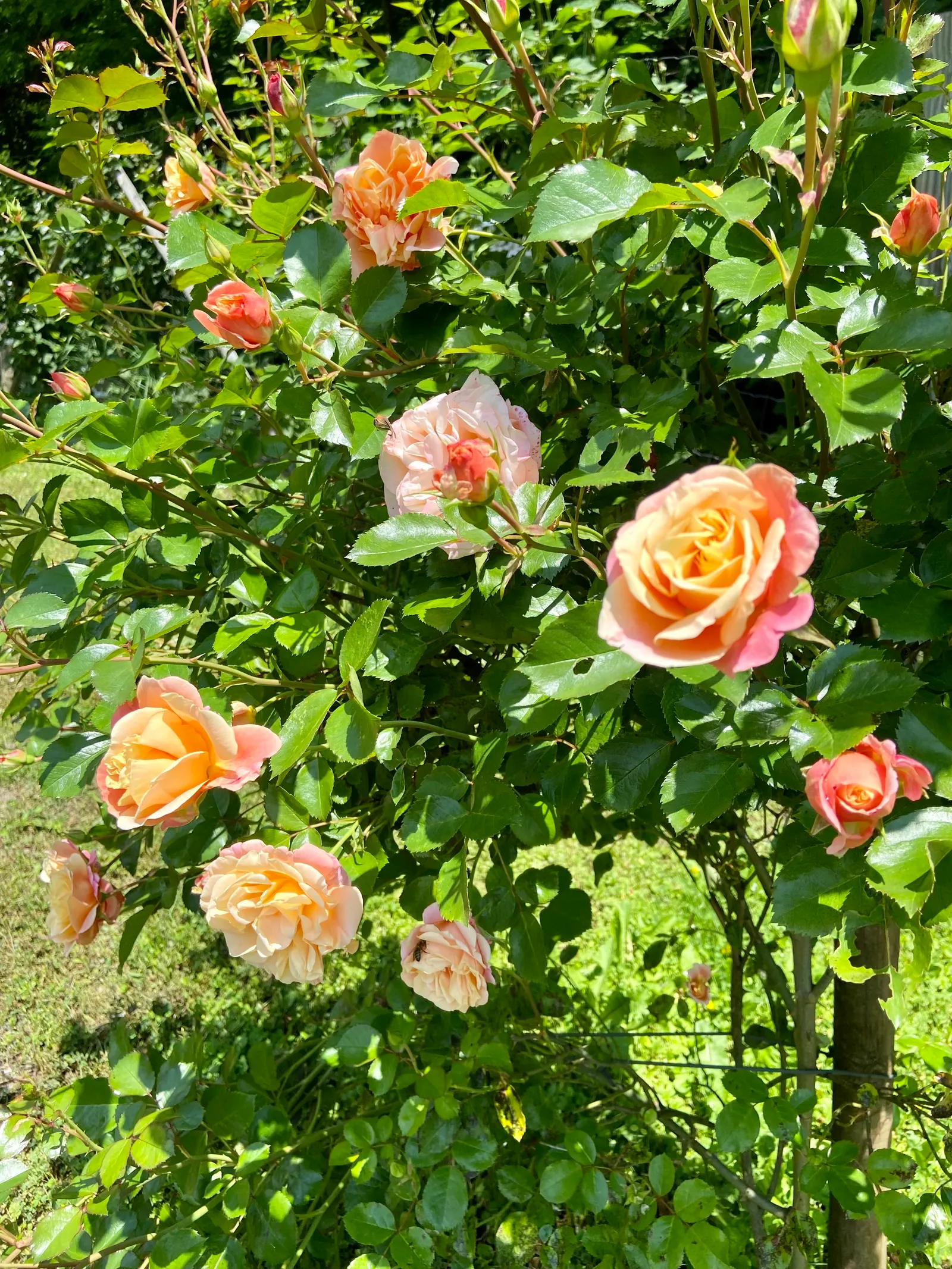
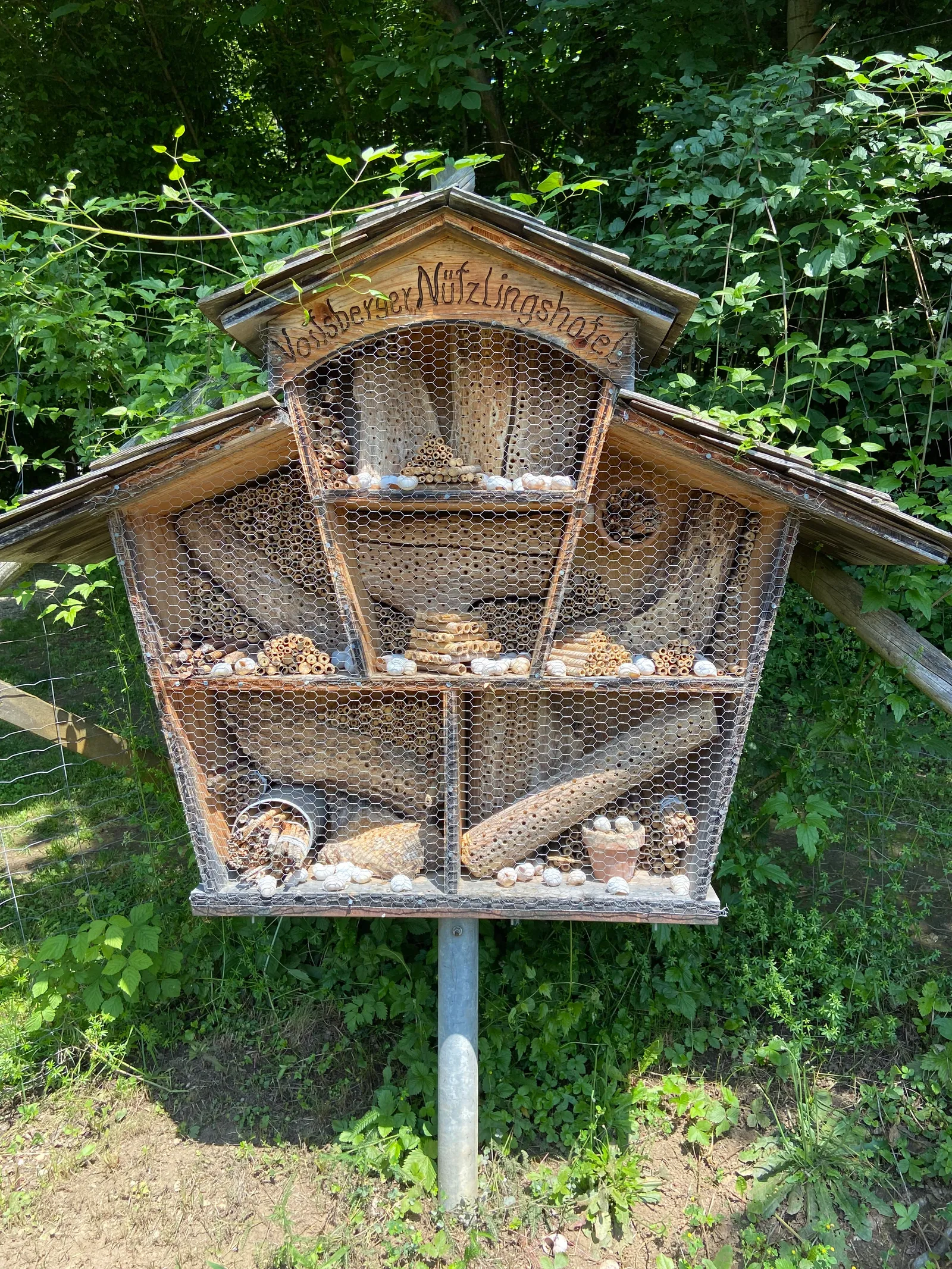
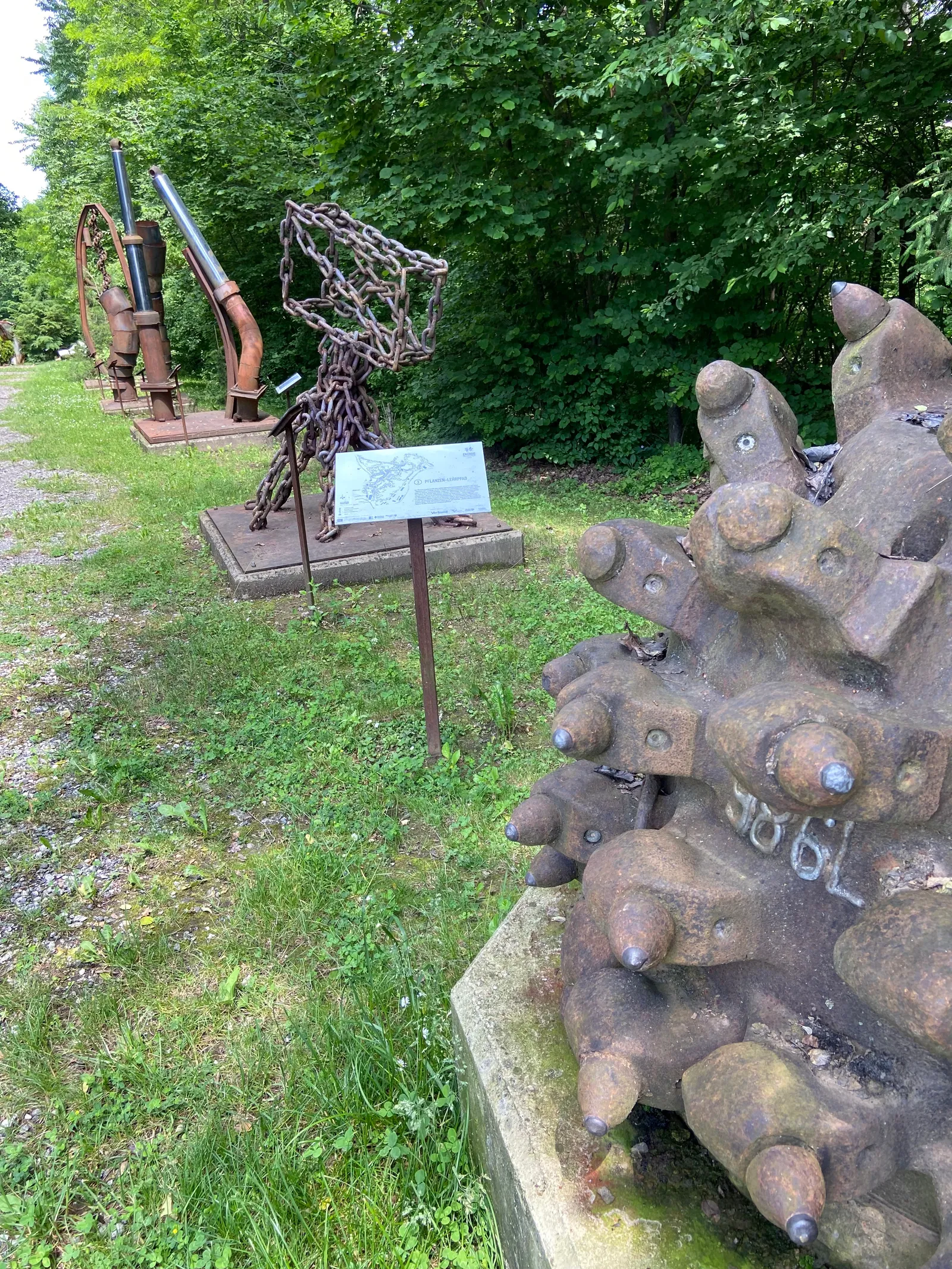
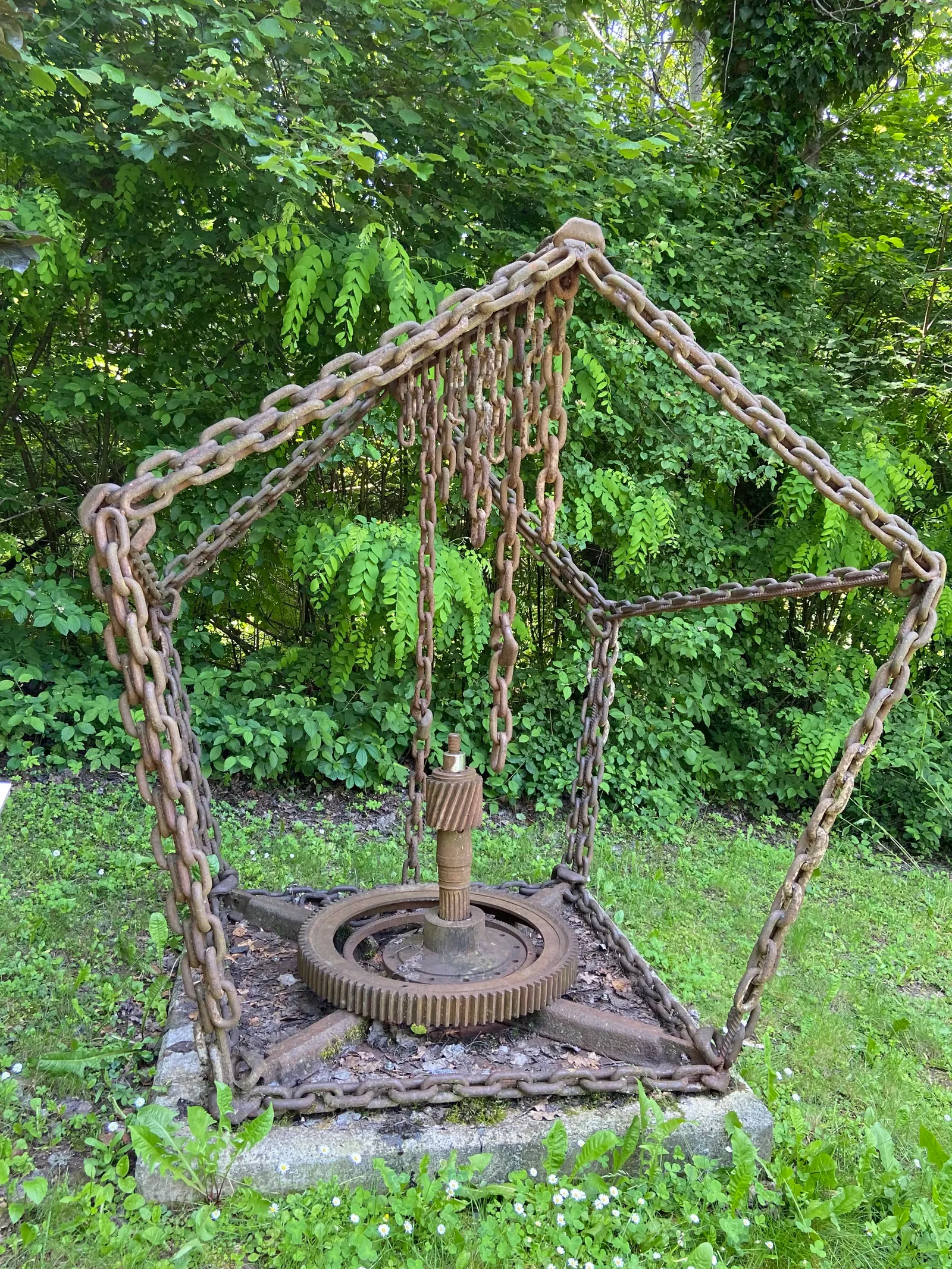
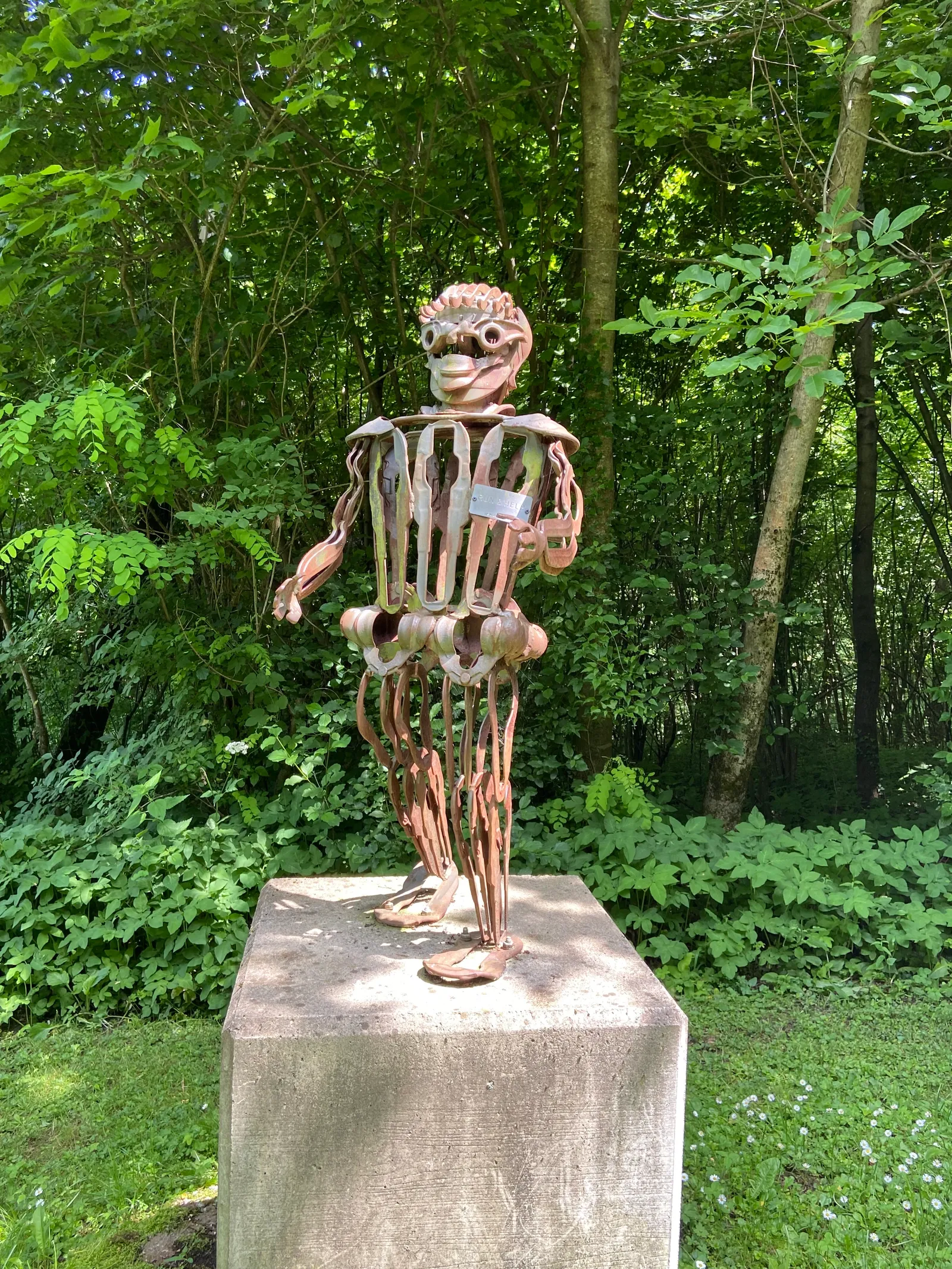
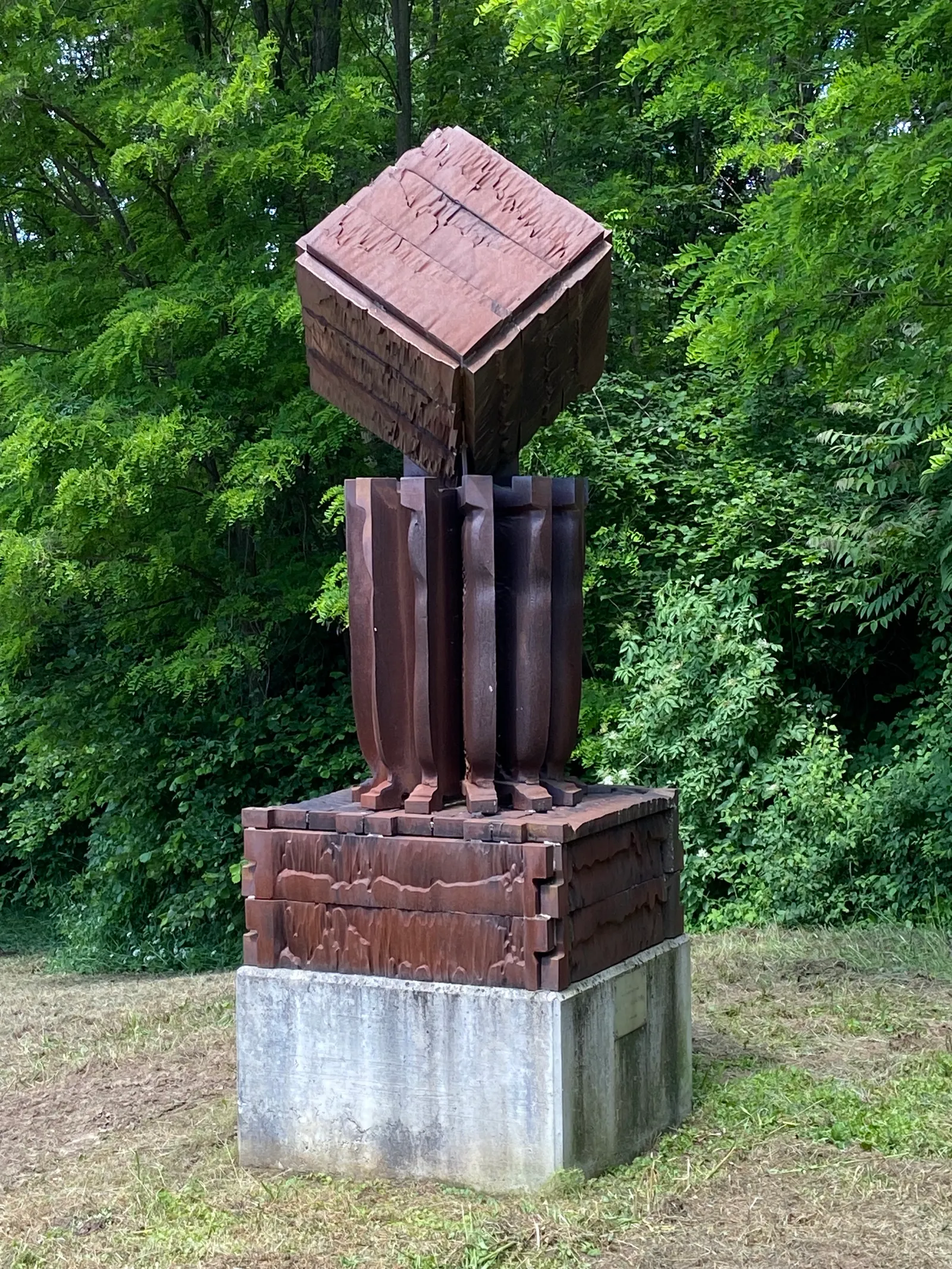
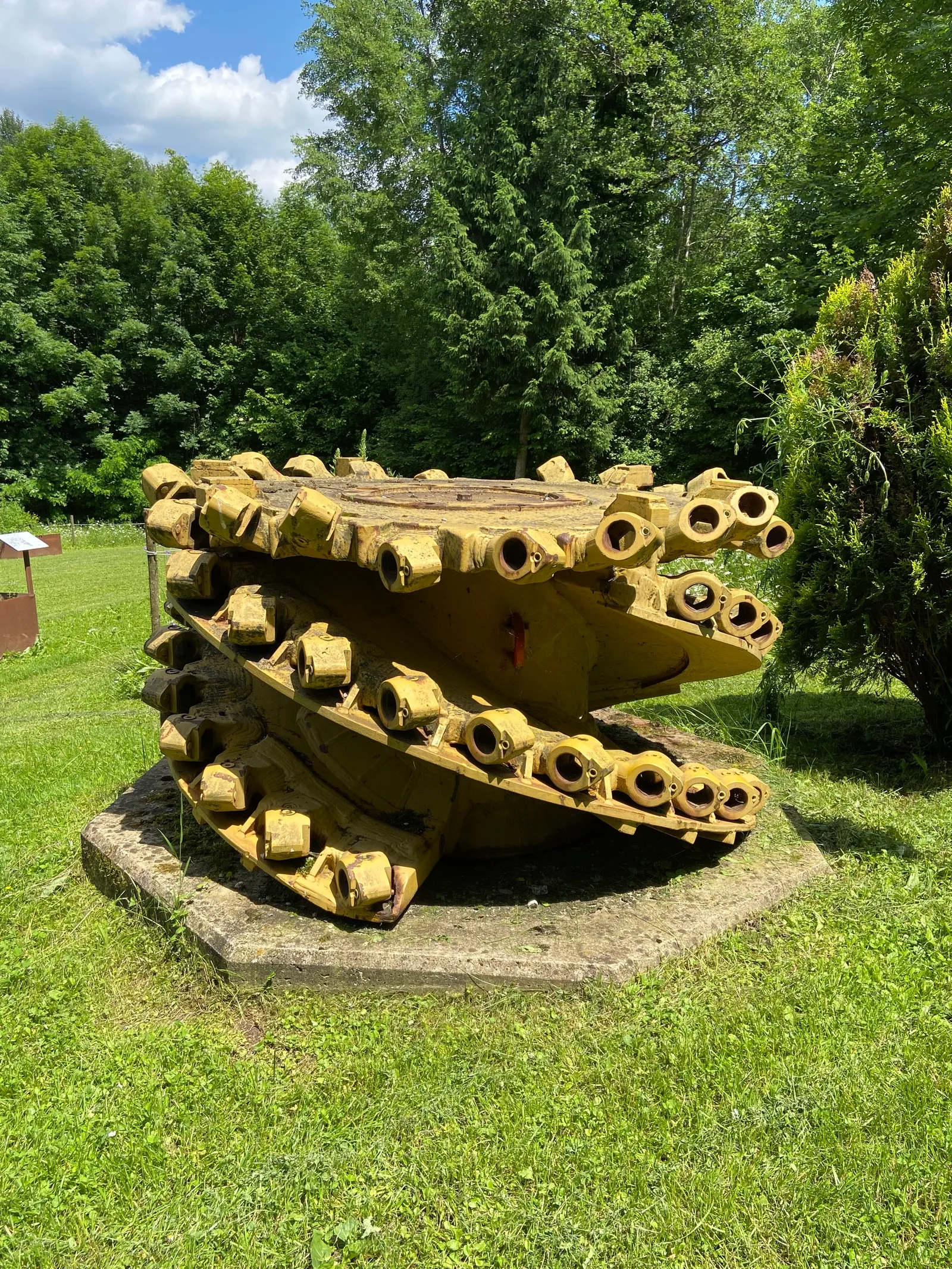
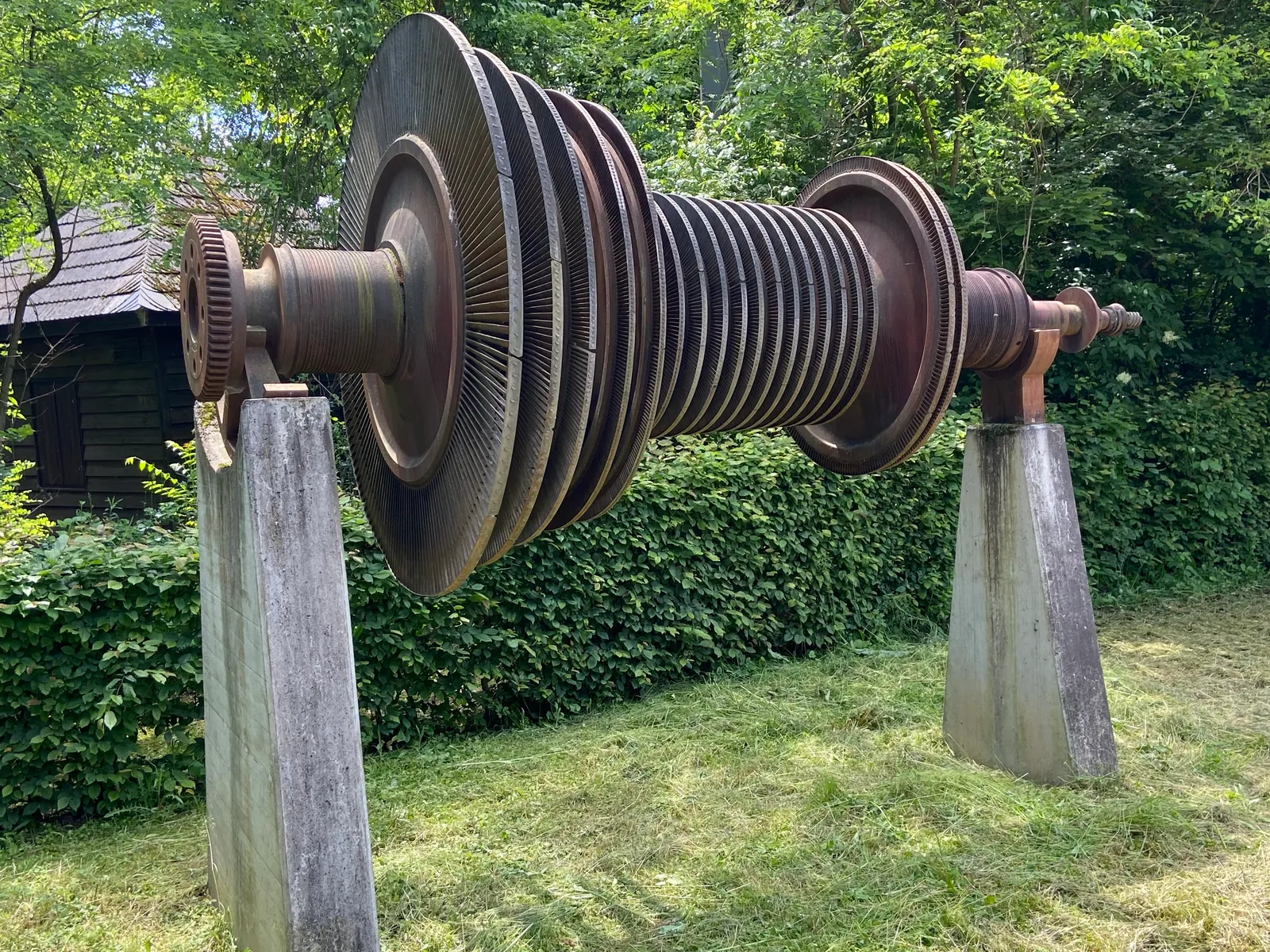
Right next to the Ober-Voitsberg castle ruins you'll find the Energie Erlebnispark Zangtal. There is plenty for us to marvel at here in terms of art, nature, energy and mining. This landscape park starts with a well-signposted herb garden and then leads us on to the art trail with a number of artworks.
Our verdict on the day trips around Packer Stausee
We thoroughly enjoyed our holiday in this part of western Styria. People and dogs were welcomed warmly everywhere, and there is plenty to explore.
Whether you and your dog are simply looking for some relaxation in nature or want to discover something cultural and historical, you'll find it all here.